Can you protect your granite kitchen counter from stains? Yes, you absolutely can, and it’s simpler than you might think! By understanding how granite behaves and adopting a few key practices, you can keep your beautiful countertops looking brand new for years. This guide will walk you through everything you need to know about stain prevention and general granite care tips.
Granite countertops are a popular choice for kitchens due to their natural beauty, durability, and heat resistance. However, like any natural stone, granite is porous and can be susceptible to staining if not properly cared for. This comprehensive guide will equip you with the knowledge to protect your investment and maintain its pristine appearance. We’ll cover everything from the initial steps of granite countertop sealing to ongoing granite care tips and what to do if a stain does occur, including granite stain removal.
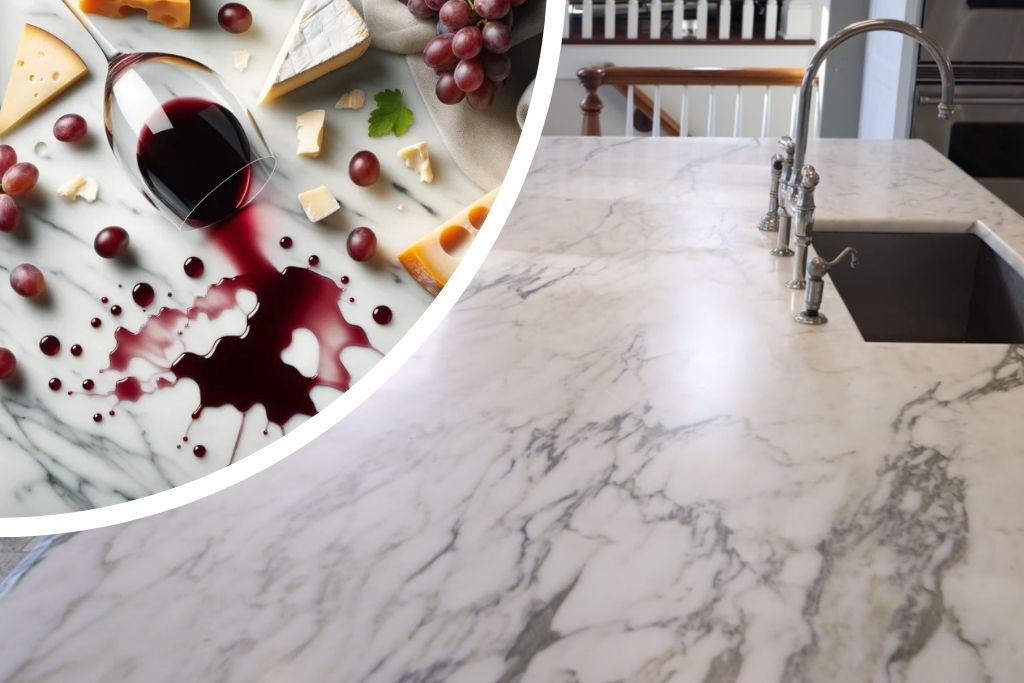
Image Source: www.connecticutstone.com
The Nature of Granite: Why Protection is Key
Granite is an igneous rock formed from molten magma cooled slowly beneath the Earth’s surface. This slow cooling process allows large crystals to form, giving granite its distinctive look. While incredibly hard, granite still possesses microscopic pores. These pores are the gateway for liquids and oils to seep in, leading to stains. The type of granite can influence its porosity; darker granites tend to be less porous than lighter ones, but all granite benefits from protection.
Porosity Explained
- Microscopic Pores: Think of granite like a sponge, but on a microscopic level. These tiny holes can absorb liquids.
- Natural Variation: Not all granite is created equal. Some types absorb liquids faster than others.
What is Granite Etching?
It’s important to distinguish between staining and etching. Granite etching prevention is crucial because etching is damage to the stone’s surface itself, not just a discoloration. Etching occurs when acidic substances like lemon juice, vinegar, or certain cleaning chemicals come into contact with the granite. These substances react with the calcium carbonate present in the granite (especially in lighter colored granites), dulling the surface and creating a dull or lighter mark. This is different from a stain, which is a substance absorbed into the pores.
Essential Steps for Granite Countertop Protection
The most effective way to protect your granite countertops from stains is through proper sealing and diligent daily care.
1. Granite Countertop Sealing: Your First Line of Defense
Granite countertop sealing is the cornerstone of stain prevention. A good quality sealant penetrates the pores of the granite, creating a barrier that repels liquids and prevents them from soaking in.
How Often Should You Seal Granite?
The frequency of sealing depends on the type of granite and the sealant used. Generally, it’s recommended to reseal your granite countertops every 1 to 5 years.
- The Water Test: A simple way to check if your granite needs resealing is the water test. Pour a small amount of water (about 4 inches in diameter) onto the surface. If the water beads up and stays on the surface for at least 10 minutes, your sealant is still effective. If the water starts to darken the stone or a halo appears around the water droplet, it’s time to reseal.
Granite Sealant Application: A Step-by-Step Approach
Proper granite sealant application is vital for effective protection.
Materials You’ll Need:
- High-quality granite sealer (penetrating sealer is recommended)
- Clean, lint-free cloths or microfiber towels
- Painter’s tape (optional, for masking edges)
- Gloves
Application Steps:
- Clean the Surface: Ensure your countertops are thoroughly clean and dry. Remove all food debris, grease, and any existing cleaning product residue. A gentle granite cleaning product is ideal.
- Test in an Inconspicuous Area: Before applying to the entire countertop, test the sealant on a small, hidden area to ensure compatibility and desired results.
- Apply the Sealer: Pour a liberal amount of the granite sealer onto the surface. Use a clean cloth or applicator pad to spread it evenly across the entire countertop, ensuring full coverage. Work in small sections.
- Allow to Penetrate: Let the sealer penetrate the stone for the time recommended by the manufacturer. This is typically 15-30 minutes. Do not let the sealer dry completely on the surface.
- Wipe Off Excess: Use a clean, dry cloth to wipe away any excess sealer from the surface. Buff the countertop until it has a uniform sheen.
- Second Coat (Optional but Recommended): For added protection, especially on more porous granites, apply a second coat after the first has been allowed to penetrate. Follow the same steps.
- Cure Time: Allow the sealant to cure fully. This can take anywhere from 12 to 72 hours, depending on the product and environmental conditions. Avoid using the countertops during this period.
2. Daily Cleaning: Routine Care is Key
Consistent granite care tips start with daily cleaning. The goal is to remove spills and residues promptly before they have a chance to penetrate the stone.
What Are the Best Granite Cleaning Products?
The best granite cleaning products are pH-neutral and specifically formulated for natural stone. Harsh chemicals, abrasive cleaners, and acidic or alkaline solutions can damage the sealant and the stone itself.
Daily Cleaning Routine:
- Wipe Up Spills Immediately: This is the golden rule. Don’t let liquids sit on the surface, especially acidic or oily substances.
- Use a Mild Soap and Water: For everyday cleaning, a soft cloth dampened with warm water and a tiny amount of mild dish soap or a dedicated granite cleaning product is sufficient.
- Rinse Thoroughly: After cleaning with soap, rinse the surface with a clean, damp cloth to remove any soap residue.
- Dry the Surface: Always dry your granite countertops with a clean, soft cloth. This prevents granite water spots from forming and leaves a streak-free shine.
What to Avoid in Your Cleaning Routine:
- Ammonia-based cleaners: These can dull the surface.
- Bleach: Can degrade the sealant over time.
- Vinegar or Lemon Juice: Highly acidic and will cause etching.
- Abrasive cleaners or scouring pads: These can scratch the granite.
- Window cleaners: Many contain ammonia.
3. Preventative Measures: Proactive Protection
Beyond sealing and daily cleaning, adopting a few proactive habits can significantly reduce the risk of stains and damage.
Protecting Against Common Culprits:
- Acidic Foods and Drinks: Always wipe up spills from wine, citrus juices, tomato sauce, coffee, and tea immediately. Consider using coasters for drinks.
- Oils and Greases: Granite oil-based stains are common from cooking. Clean up any oil splatters from cooking or greasy foods as soon as possible.
- Colored Liquids: Red wine, berry juices, and even dark sodas can stain if left to sit.
Using Cutting Boards and Trivets:
- Cutting Boards: Always use cutting boards when chopping food. While granite is hard, knives can still dull the sealant or potentially scratch the surface with enough force and abrasion.
- Trivets and Hot Pads: While granite is heat-resistant, sudden extreme temperature changes can cause thermal shock, potentially leading to cracks. Always use trivets or hot pads under hot pots and pans.
Dealing with Stains and Damage: What to Do When the Unexpected Happens
Despite your best efforts, stains or minor damage can occur. Knowing how to handle them promptly is key.
Granite Stain Removal Techniques
When a stain does appear, acting quickly is crucial. The method for granite stain removal depends on the type of stain.
Poultices for Stubborn Stains:
A poultice is a paste that draws stains out of the stone.
How to Make and Use a Poultice:
Materials:
- Absorbent material: Baking soda, unbleached flour, or diatomaceous earth.
- Liquid: Water, hydrogen peroxide (for organic stains), or acetone (for oil-based stains).
- Plastic wrap
- Painter’s tape
Steps:
-
Identify the Stain Type:
- Organic Stains (coffee, tea, wine, fruit): Use hydrogen peroxide mixed with baking soda.
- Oil-Based Stains (grease, cooking oil, cosmetics): Use acetone or mineral spirits mixed with baking soda.
- Water Spots/Rings: These are usually etching, not stains, and may require professional polishing. However, very light water spots might be buffed out.
- Metal Stains (rust): Special rust removers designed for stone are available.
-
Mix the Poultice:
- In a bowl, mix your chosen absorbent material with the appropriate liquid to create a thick paste, similar in consistency to peanut butter or thick frosting.
-
Apply the Poultice:
- Carefully apply the poultice directly to the stain, extending it about a quarter-inch beyond the stain’s edges.
- Cover the poultice with plastic wrap and tape down the edges to keep it moist and working.
-
Allow to Work:
- Let the poultice sit for 24-48 hours. The liquid will evaporate, drawing the stain out of the stone into the absorbent material.
-
Remove and Clean:
- Remove the plastic wrap and let the poultice dry completely.
- Gently scrape off the dried poultice with a plastic scraper or putty knife.
- Clean the area with water and a mild granite cleaning product, then dry thoroughly.
-
Assess and Repeat:
- Check the stain. You may need to repeat the poultice application if the stain is still visible.
Granite Scratch Repair: Addressing Surface Damage
While granite is very hard, it’s not impossible to scratch. Light scratches might be buffed out, but deeper scratches typically require professional attention.
What Can You Do for Minor Scratches?
- Buffing: For very light surface scuffs, you might try buffing the area with a soft cloth and a small amount of mineral oil. This can sometimes fill in minor imperfections and restore a bit of shine.
- Granite Polish: Commercially available granite polishes can sometimes help reduce the appearance of very fine scratches.
- Professional Help: For anything more than a superficial scuff, it’s best to contact a stone restoration specialist. They have specialized tools and compounds for granite scratch repair.
Granite Etching Prevention: A Proactive Stance
As mentioned earlier, etching is caused by acidic substances. Granite etching prevention is all about mindful kitchen practices.
Preventing Etching:
- Immediate Wipe-Up: Clean up any acidic spills (lemon juice, vinegar, wine, tomatoes) instantly.
- Avoid Harsh Cleaners: Stick to pH-neutral cleaners.
- Use Coasters and Mats: Always place coasters under glasses containing acidic beverages and use placemats under dishes that might have food residue.
- Cutting Boards are Essential: Never cut directly on your granite countertops.
Long-Term Granite Countertop Maintenance
Consistent granite countertop maintenance ensures your countertops remain beautiful and functional for decades.
Periodic Deep Cleaning
Beyond daily wipes, a deeper clean every few months can help maintain the sealant and the stone’s appearance.
- Use a dedicated granite cleaner.
- Follow the manufacturer’s instructions for use.
- Ensure thorough rinsing and drying.
When to Call a Professional
While most granite care tips can be handled at home, certain issues are best left to the experts.
- Deep or Widespread Stains: If poultices aren’t working or the staining is extensive.
- Significant Etching: Etch marks often require professional honing and polishing.
- Chips or Cracks: These are structural damages that need expert repair.
- Resealing Concerns: If you’re unsure about the granite sealant application process or if your sealant isn’t performing, a professional can assist.
Summary of Granite Care Tips
To recap, here are the essential granite care tips for protecting your kitchen countertops:
| Action | Frequency | Purpose |
|---|---|---|
| Wipe up spills | Immediately | Prevent stains and etching |
| Daily cleaning | Daily | Remove daily grime and residues |
| Dry countertop surface | Daily | Prevent water spots and streaks |
| Use pH-neutral cleaners | Daily | Protect sealant and stone |
| Use cutting boards | Always | Prevent scratches and dulling |
| Use trivets/hot pads | Always | Prevent thermal shock |
| Granite countertop sealing | 1-5 years | Repel liquids and prevent stains |
| Periodic deep cleaning | Every few months | Maintain sealant and appearance |
| Address stains promptly | As needed | Effective granite stain removal |
| Address minor scratches | As needed | Buffing or polish; seek professional for deeper scratches |
| Granite etching prevention | Ongoing habit | Avoid acidic substances |
Frequently Asked Questions (FAQ)
Q1: How often should I reseal my granite countertops?
A1: It’s generally recommended to reseal your granite every 1 to 5 years. The best way to check is with the water test: if water beads up and doesn’t soak in after 10 minutes, your sealant is likely still effective.
Q2: Can I use regular household cleaners on my granite?
A2: No, it’s best to avoid most regular household cleaners, especially those containing ammonia, bleach, acidic ingredients (like vinegar or lemon juice), or abrasive agents. Stick to pH-neutral cleaners specifically designed for natural stone or a mild dish soap and water solution.
Q3: My granite has developed dull spots. Is this a stain or etching?
A3: Dull spots or rings are typically a sign of etching, which is damage to the stone’s surface caused by acidic substances. Stains are discolorations that have soaked into the pores. Etching is usually a surface issue and can sometimes be buffed out with a granite polish, but severe etching may require professional attention.
Q4: How do I deal with granite oil-based stains?
A4: For granite oil-based stains, you’ll need a poultice. Mix baking soda with acetone (nail polish remover without colorants) to create a paste. Apply it to the stain, cover with plastic wrap, tape the edges, and let it sit for 24-48 hours. Remove the dried poultice and clean the area.
Q5: What is the best way to clean granite water spots?
A5: Granite water spots are often caused by minerals in the water drying on the surface. A simple wipe-down with a soft cloth and mild soap and water, followed by thorough drying, usually resolves this. If mineral deposits are heavy, a specialized stone cleaner might be needed, or a gentle buff with a very fine steel wool (0000 grade) can sometimes help, but always test in an inconspicuous area first.
Q6: Can I cut directly on granite?
A6: While granite is very hard, cutting directly on it can dull your knives and potentially damage the sealant or even cause micro-scratches. It’s always best to use a cutting board to preserve the integrity of your countertops.
By following these comprehensive granite care tips and understanding the importance of granite countertop sealing and granite etching prevention, you can ensure your kitchen countertops remain a beautiful and durable centerpiece for your home. Remember that prompt action for spills and stains, along with regular maintenance, are your best allies in keeping your granite looking its best.