The average cost to install a kitchen sink ranges from $200 to $500, but this figure can fluctuate significantly based on the complexity of the job, the type of sink, and your location. Can you install a kitchen sink yourself? While it’s possible for a DIY enthusiast with plumbing knowledge, it’s generally recommended to hire a professional plumber to ensure proper installation and avoid potential leaks or damage.
Updating your kitchen often involves a new sink. It’s a central fixture, and a stylish, functional sink can dramatically improve the look and usability of your kitchen. But before you pick out that gleaming stainless steel or elegant farmhouse sink, you need to consider the kitchen sink installation cost. This is a crucial part of your renovation budget.
This comprehensive guide will break down everything you need to know about how much it costs to install a kitchen sink, from the different factors influencing the price to what you can expect from a professional installation.
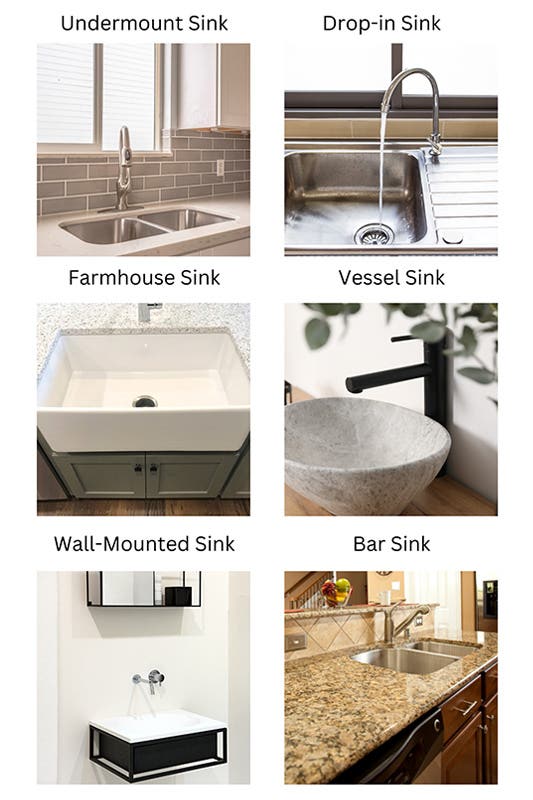
Image Source: www.lilyanncabinets.com
Factors Affecting Your Kitchen Sink Installation Cost
Several elements play a role in determining the final bill for your kitchen sink installation. Let’s delve into the key ones:
1. Type of Sink
The type of sink you choose is perhaps the biggest driver of installation costs. Some sinks are far more complex to fit than others.
Cost to Install Undermount Sink
Undermount sinks are installed beneath the countertop, creating a seamless look. This style typically involves more intricate work. The countertop needs to be precisely cut, and the sink requires secure mounting from below, often with clips and adhesive. Because of this extra labor and the need for a clean, precise finish, the cost to install undermount sink is generally higher than other types. Expect this to add an extra $100-$250 to your installation bill.
Cost to Install Drop-in Sink
Drop-in sinks, also known as top-mount or self-rimming sinks, are the most common and usually the easiest to install. They simply drop into a pre-cut hole in the countertop, with the rim resting on top. The plumber or installer seals the edge with caulk. This simplicity translates to lower installation costs, often making it the most budget-friendly option. The cost to install drop-in sink is usually at the lower end of the average range.
Other Sink Types and Their Installation Nuances
- Farmhouse Sinks (Apron Sinks): These are bulky and often require modifications to existing cabinetry to accommodate their front panel. This can add complexity and labor time, increasing the installation cost.
- Integrated Sinks: Sinks that are part of the countertop material (e.g., solid surface or quartz) can be straightforward if they are pre-fabricated units. However, if they need to be molded or seamlessly integrated during fabrication, the cost is often bundled into the countertop price.
- Specialty Sinks: Unusual shapes, sizes, or materials might require specialized mounting hardware or techniques, potentially leading to higher installation fees.
2. Sink Replacement Cost vs. New Installation
Is this a brand-new kitchen where you’re adding a sink for the first time, or are you replacing an old one? The sink replacement cost can differ.
Replacing an Existing Sink
If you’re simply swapping out an old sink for a new one of the same type and in the same location, the job is usually simpler. The existing plumbing is already in place, and the cutout in the countertop likely matches. The plumber just needs to disconnect the old, connect the new, and seal it up. This often leads to a lower plumber sink installation cost.
New Kitchen Sink Installation
Installing a sink in a new location or in a kitchen that never had one before is significantly more complex. This involves:
* Cutting a new hole in the countertop.
* Running new water supply lines.
* Extending or rerouting drain pipes.
* Potentially modifying or installing new cabinet space to accommodate the sink and plumbing.
This type of project will naturally incur a higher kitchen sink installation cost due to the extensive labor and materials involved.
3. Complexity of Plumbing and Existing Hookups
The state of your current plumbing and how easily the new sink can connect to it will impact the bill.
Kitchen Sink Plumbing Cost
The kitchen sink plumbing cost refers to the labor and materials needed to connect the water supply and drainage.
* Easy Hookups: If your existing plumbing is modern, in good condition, and easily accessible, connecting the new sink will be straightforward and less expensive.
* Challenging Hookups: If you have older, corroded pipes, limited access due to cabinetry, or need to reroute pipes, the plumber will spend more time on the job. This could involve replacing sections of pipe, installing new shut-off valves, or fitting new P-traps and drain lines, all of which add to the overall labor cost kitchen sink installation.
Modifications Needed
Sometimes, the existing faucet, drain assembly, or even the pipe material might not be compatible with the new sink. This could require the plumber to supply and install new parts, increasing the material cost and labor time.
4. Countertop Material
The material of your countertop can influence installation difficulty and cost.
- Laminate: Relatively easy to cut and work with.
- Granite, Quartz, Marble: These are hard and dense materials. Cutting precise holes for sinks, especially undermount ones, requires specialized tools and expertise to avoid chipping or cracking. This often means a higher cost to install undermount sink in these materials.
- Solid Surface (e.g., Corian): Generally easier to cut and polish than natural stone, but still requires care for a seamless finish.
- Butcher Block: Can be easily cut but needs proper sealing to prevent water damage.
The difficulty in working with your specific countertop material will affect the labor cost kitchen sink installation.
5. Location and Local Labor Rates
Just like any service, the cost of hiring a plumber varies by region. Major metropolitan areas typically have higher labor rates than rural areas. The average kitchen sink installation price can reflect these local economic differences.
6. The Plumber You Hire
- Master Plumber vs. Apprentice: A licensed master plumber will charge more than a less experienced apprentice. However, their expertise often ensures a quicker, more efficient, and error-free installation.
- Plumbing Company vs. Independent Contractor: Large plumbing companies might have higher overheads, potentially leading to higher prices. Independent contractors can sometimes offer more competitive rates. Always check reviews and credentials.
7. DIY Kitchen Sink Installation Cost
Are you considering a DIY kitchen sink installation cost? If you have basic plumbing skills, confidence, and the right tools, you might save on labor. However, consider these potential costs:
* Tool Purchase/Rental: You might need pipe wrenches, basin wrenches, a plumber’s putty knife, silicone caulk, a hacksaw for pipe cutting, and potentially a jigsaw for countertop modifications.
* Material Costs: You’ll still need to buy plumber’s putty, silicone caulk, possibly new supply lines, or a new drain assembly.
* Risk of Errors: If you make a mistake, the cost of fixing it (e.g., water damage, a leaky faucet, a damaged countertop) can far exceed the initial savings on labor. This is where the cost of new sink installation can become unexpectedly high.
Breakdown of Installation Costs
Let’s look at what typically goes into the kitchen sink installation cost:
Labor Costs
This is usually the largest component of the kitchen sink installation cost. Plumbers typically charge by the hour or a flat rate for the job.
- Hourly Rates: Can range from $75 to $200+ per hour, depending on location and the plumber’s experience.
- Flat-Rate Pricing: Many plumbers offer a flat rate for standard sink installations. This provides cost certainty.
The labor cost kitchen sink installation will depend on:
* How long the job takes.
* The complexity of the plumbing.
* Whether modifications are needed for the countertop or cabinetry.
* The type of sink being installed (e.g., cost to install undermount sink will be higher than cost to install drop-in sink).
What a Plumber Typically Does During Installation:
- Shut off water supply: Locates and turns off the hot and cold water valves under the sink.
- Disconnect old plumbing: Detaches the old sink from the water supply lines, drain, and garbage disposal (if applicable).
- Remove the old sink: Carefully lifts out the old sink.
- Prepare the countertop: Cleans the sink opening and ensures it’s smooth. For undermount sinks, this is where precise cutting and sealing happen.
- Install the new sink: Seats the new sink in the opening.
- Connect plumbing: Attaches new water supply lines, drain assembly, and garbage disposal.
- Test for leaks: Turns the water back on and checks all connections for drips.
- Apply sealant: Seals the rim of the sink to the countertop with caulk.
Material Costs
Beyond the sink itself, there are other materials involved in the installation.
- Plumber’s Putty: Used to create a watertight seal around the drain flange.
- Silicone Caulk: Used to seal the rim of the sink to the countertop, preventing water from seeping underneath.
- Supply Lines: Flexible hoses that connect the faucet to the shut-off valves. These may need replacement.
- Drain Assembly/Strainer: The part that goes into the sink drain hole.
- P-Trap and Tailpiece: The curved pipe that connects the sink drain to the main waste pipe, preventing sewer gases from entering the home.
- Garbage Disposal Flange: If a garbage disposal is being installed or reinstalled.
- Mounting Clips: Specific clips are used for undermount sinks to secure them to the underside of the countertop.
The cost of new sink installation can include these small but necessary material costs, which can add $30-$100 or more to the bill.
Average Kitchen Sink Installation Price Ranges
Based on the factors above, here are some typical price ranges for installing a kitchen sink:
| Sink Type | Average Installation Cost (Labor Only) | Estimated Total Cost (Sink + Installation) |
|---|---|---|
| Drop-in Sink | $200 – $400 | $300 – $800+ |
| Undermount Sink | $300 – $600 | $500 – $1200+ |
| Farmhouse Sink | $350 – $700+ | $600 – $1500+ |
| Installation in new location | $400 – $800+ | $600 – $1500+ |
Note: These are estimates. The cost of new sink installation can vary widely.
Factors Increasing Installation Cost
Some situations will push your kitchen sink installation cost towards the higher end of the spectrum:
- Complex Countertop Materials: Installing an undermount sink in granite or marble will be more expensive than in laminate.
- Significant Plumbing Rerouting: If extensive pipe work is needed, the kitchen sink plumbing cost will increase.
- Garbage Disposal Installation/Replacement: Adding or replacing a garbage disposal adds to the complexity and cost. This often involves electrical work as well.
- Faucet Installation: If you’re also replacing your faucet, that’s an additional labor charge, though often bundled.
- Old Fixtures Stubborn to Remove: Very old, corroded sinks and plumbing can be difficult to disconnect, leading to extra labor time.
- Difficult Access: Tight cabinet spaces or awkward plumbing configurations can slow down the process and increase labor costs.
- Emergency Service: If you need a plumber urgently outside of regular business hours, expect premium pricing.
Comprehending the Cost of New Sink Installation
When you’re planning a kitchen renovation or simply looking to update your sink, it’s vital to have a clear picture of the cost of new sink installation. This involves not just the price of the sink itself but also the professional services required to make it functional and leak-free.
The Sink Itself: A Key Cost Component
The price of the sink varies dramatically. You can find basic stainless steel sinks for under $100, while high-end materials like copper, fireclay, or custom granite sinks can cost $1,000 or more.
- Stainless Steel: Most affordable and durable. Prices range from $80 to $500+.
- Cast Iron (Enamel Coated): Heavy, durable, and available in various colors. Prices typically start around $200 and go up to $700+.
- Composite (Granite, Quartz): Durable, scratch-resistant, and available in many colors. Prices range from $150 to $600+.
- Fireclay: Similar to cast iron in durability but lighter. Can range from $300 to $900+.
- Copper: A premium material known for its antimicrobial properties and unique aesthetic. Prices start around $500 and can easily exceed $1,500.
The Plumbing Aspect: Kitchen Sink Plumbing Cost
The kitchen sink plumbing cost is a significant factor. This includes the labor and materials for connecting water supply and drainage. A simple swap might only require replacing flexible supply lines, while a more complex job could involve new valves, pipe fittings, and drain assembly parts.
The Labor: Labor Cost Kitchen Sink Installation
The labor cost kitchen sink installation is what you pay the professional for their time and expertise. As mentioned, this is typically the largest part of the overall kitchen sink installation cost. For a straightforward replacement of a drop-in sink, you might see labor costs between $200 and $400. For a more complex undermount installation or a new sink in a new location, labor could range from $300 to $700 or more.
DIY Kitchen Sink Installation Cost: Is It Worth It?
For the budget-conscious, a DIY kitchen sink installation cost can seem appealing. The main saving is on labor. If you can do it for around $100-$200 in tools and materials, and a professional would charge $300-$500 for labor, that’s a considerable saving.
However, consider the following risks:
* Damage: Incorrectly cutting a countertop can be expensive to fix. A mistake in plumbing can lead to leaks, water damage, mold, and costly repairs.
* Time: A DIY installation can take much longer than a professional’s, especially if you encounter unexpected issues.
* Warranty: Many sink manufacturers require professional installation for their warranty to be valid.
* Stress: Plumbing can be frustrating. If you’re not comfortable with it, the stress might not be worth the savings.
Sink Replacement Cost: A Focused Look
When you need to replace an existing sink, the sink replacement cost is generally more predictable than installing a sink in a completely new location.
What Influences Sink Replacement Cost?
- Matching the Cutout: If the new sink fits the existing countertop cutout, the job is faster.
- Condition of Existing Plumbing: If shut-off valves are old or corroded, they may need replacing, adding to the cost.
- Removal Difficulty: Stubborn caulk or old pipe sealants can make removal time-consuming.
- Type of Sink Being Replaced: Removing an undermount sink can be trickier than a drop-in.
Typical Sink Replacement Scenario:
A standard drop-in sink replacement in a kitchen with accessible, modern plumbing might fall into the $200-$450 range for labor and materials. The average kitchen sink installation price for a replacement is often at the lower end of the overall spectrum.
Fathoming the Cost to Install Undermount Sink
The cost to install undermount sink is consistently higher due to the precision and more involved process.
Why More Expensive?
- Countertop Modification: Requires precise cutting of the countertop. For stone or solid surface materials, this requires specialized tools and expertise to avoid damage.
- Secure Mounting: The sink needs to be securely fastened from underneath using clips and often adhesive, which takes more time and care.
- Sealing: A very clean and thorough seal is crucial to prevent water from getting between the sink and the countertop.
Cost Breakdown for Undermount:
- Labor: Expect labor costs to be at least $100-$200 higher than for a drop-in sink.
- Materials: Specific mounting hardware might be an additional small cost.
- Countertop Cutting: If the cutout isn’t already perfect, professional countertop fabricators might need to be involved, adding significantly to the cost.
This is why the average kitchen sink installation price for an undermount is higher.
Deciphering the Cost to Install Drop-in Sink
The cost to install drop-in sink is generally the most budget-friendly option for professional installation.
Why More Affordable?
- Simpler Installation: The sink’s rim supports its weight, and it rests on top of the countertop.
- Less Countertop Work: A precise cutout is needed, but it’s less critical than for undermount, and no underside mounting is required.
- Easier Plumbing Access: Typically, the plumbing hookups are more straightforward.
Cost Breakdown for Drop-in:
- Labor: Generally ranges from $200 to $400.
- Materials: Standard plumbing materials, caulk, and putty.
The cost of new sink installation for a drop-in sink is often the most predictable and affordable.
Interpreting the Plumber Sink Installation Cost
When you get a quote from a plumber, they will often break down the plumber sink installation cost into labor and materials.
What to Expect in a Quote:
- Call-out Fee: Some plumbers charge a fee just to come to your home and assess the job.
- Hourly Rate: If they charge hourly, they should provide an estimated number of hours.
- Flat-Rate Price: A fixed price for the entire job.
- Materials List: Itemized costs for supply lines, drains, putty, caulk, etc.
- Disposal Fee: For removal and disposal of the old sink.
Negotiating and Getting Quotes:
- Get Multiple Quotes: Always get at least three quotes from different plumbers.
- Be Specific: Clearly describe the type of sink, the nature of the job (replacement or new install), and any known issues with your existing plumbing.
- Ask About Guarantees: Does the plumber offer a warranty on their work?
What to Do Before Your Sink Installation
To ensure a smooth and cost-effective installation, do a little prep work:
Prepare the Area
- Clear Under the Sink: Remove everything from the cabinet below the sink. This gives the plumber easy access.
- Protect Flooring: Place towels or drop cloths on the floor around the sink to catch any water or debris.
Have Your New Sink Ready
- Unbox and Inspect: Make sure your new sink is free of defects and includes all necessary mounting hardware and accessories.
- Gather Faucet and Fixtures: Have your new faucet, soap dispenser, and any other accessories ready to go.
Know Your Plumbing
- Locate Shut-off Valves: Know where the hot and cold water shut-off valves are under the sink. Ensure they can be easily turned off and on. If they seem stuck or corroded, inform the plumber.
- Identify Pipe Material: Knowing if you have copper, PEX, or older galvanized pipes can help the plumber prepare.
Frequently Asked Questions About Kitchen Sink Installation
Q1: What is the average cost to install a kitchen sink?
A1: The average kitchen sink installation price typically falls between $200 and $500 for labor and basic materials. This can be higher depending on the sink type, complexity, and location.
Q2: Can I install a kitchen sink myself?
A2: Yes, a DIY installation is possible if you have basic plumbing knowledge and the right tools. However, mistakes can be costly. The DIY kitchen sink installation cost can seem lower, but consider the risk of damage and potential repair expenses.
Q3: How much does a plumber charge to install a sink?
A3: The plumber sink installation cost for labor alone usually ranges from $200 to $600. This depends heavily on the complexity of the job and the plumber’s rates.
Q4: What is the cost to install an undermount sink compared to a drop-in sink?
A4: The cost to install undermount sink is generally higher, often by $100-$250 or more, due to the more precise cutting, sealing, and mounting required compared to the simpler installation of a drop-in sink.
Q5: Does the cost of the sink affect the installation cost?
A5: The sink itself is a separate purchase, but its type (e.g., undermount, farmhouse) and material can indirectly increase installation costs due to the added labor and complexity involved. The cost of new sink installation includes both the sink and the labor to fit it.
Q6: What’s included in the kitchen sink plumbing cost?
A6: The kitchen sink plumbing cost generally covers the labor and materials needed to connect the new sink to your home’s water supply and drainage system. This can include supply lines, drain assembly, and P-traps.
Q7: How long does it typically take to install a kitchen sink?
A7: A straightforward sink replacement can take 1-3 hours. A more complex installation, like an undermount sink or one in a new location, could take 3-6 hours or more.
Q8: What are common issues that increase the labor cost for kitchen sink installation?
A8: Issues like difficult-to-remove old fixtures, corroded plumbing, needing to reroute pipes, or working with very hard countertop materials can all increase the labor cost kitchen sink installation.
By carefully considering these factors, you can better estimate your kitchen sink installation cost and budget effectively for your kitchen update.