Replacing a kitchen sink yourself can be a manageable DIY project for homeowners with basic plumbing knowledge. Yes, you can replace a kitchen sink yourself if you’re comfortable with basic tools and plumbing connections. The difficulty level generally ranges from moderate to challenging, depending on the type of sink, your existing plumbing setup, and your comfort with hands-on tasks. While the kitchen sink installation cost can be significantly reduced by opting for a DIY approach compared to hiring a professional, the cost of replacing kitchen sink can still involve purchasing a new sink, faucet, drain assembly, and possibly new supply lines and a disposal flange.
This guide aims to demystify the process, breaking down each step and helping you decide if a DIY sink replacement is the right path for you. We’ll cover everything from kitchen sink removal to the final touches of installing a new kitchen sink, providing insights into potential challenges and the tools you’ll need.
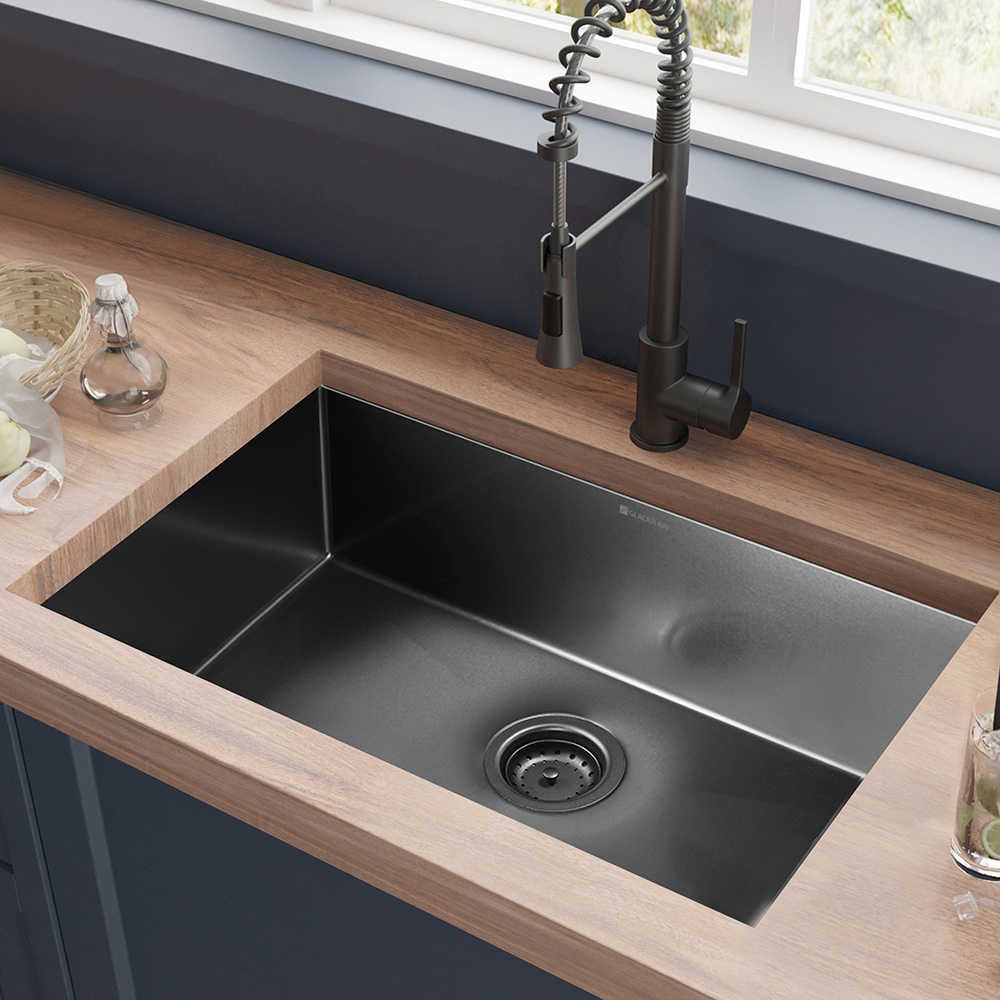
Image Source: contentgrid.homedepot-static.com
Assessing Your Project’s Difficulty
Before you dive in, it’s crucial to assess the true sink replacement difficulty. This isn’t just about the physical act of unscrewing and screwing; it involves preparation, problem-solving, and ensuring a watertight seal.
Factors Influencing Sink Replacement Difficulty
- Sink Type: Undermount sinks are generally more challenging to install than drop-in sinks due to the need for secure mounting from below. Stainless steel sinks are lighter and easier to handle than cast iron or composite sinks.
- Countertop Material: Installing a sink into granite, quartz, or other solid surface countertops can be trickier than into laminate or wood, often requiring specialized tools or precise measurements to avoid damage.
- Existing Plumbing: Old, corroded pipes or unusually configured plumbing can add significant complexity. The condition of your existing P-trap and drain lines will also play a role.
- Garbage Disposal: If you have a garbage disposal, its removal and reinstallation add weight and more connections to manage.
- Faucet and Fixtures: Replacing the faucet, sprayer, and soap dispenser simultaneously can complicate the process, requiring more connections under the sink.
- Your Skill Level: Honestly assess your comfort with tools, measuring, and basic plumbing. If you’ve never touched a wrench or dealt with plumbing before, the learning curve can be steep.
Is a DIY Sink Replacement for You?
Consider these questions:
- Have you successfully completed similar DIY home improvement projects before?
- Are you comfortable working in tight, awkward spaces?
- Do you have the necessary tools, or are you prepared to acquire them?
- Are you patient and meticulous, willing to double-check your work?
- What is your budget for potential mistakes or unexpected issues?
If you answered “yes” to most of these, then DIY sink replacement is likely within your reach. If you hesitated on several, you might consider a professional. The plumber cost for sink replacement can vary, but it’s a worthwhile investment if it saves you from leaks, water damage, or prolonged frustration.
Gathering Your Tools and Materials
A successful DIY sink replacement hinges on having the right equipment. Don’t skimp here; the right tools make the job infinitely easier and safer.
Essential Tools for DIY Sink Replacement
- Adjustable Wrenches (various sizes): For tightening and loosening plumbing fittings.
- Pipe Wrench: For gripping pipes securely, especially when dealing with stubborn connections.
- Basin Wrench: This specialized tool is invaluable for reaching nuts that secure the faucet and drain assembly in tight spaces under the sink.
- Screwdrivers (Phillips and Flathead): For various screws, including those on faucet mounts and drain flanges.
- Plumber’s Putty or Silicone Sealant: Crucial for creating watertight seals around the sink rim and drain.
- Bucket(s): To catch any residual water from the drain and supply lines.
- Towels and Rags: For drying hands, surfaces, and cleaning up spills.
- Utility Knife or Putty Knife: For scraping away old sealant or putty.
- Safety Glasses: Protect your eyes from debris and water.
- Gloves: For grip and to protect your hands.
- Pliers (channel-lock or slip-joint): Useful for gripping and turning various plumbing parts.
- Measuring Tape: For accurate measurements of your countertop opening and the new sink.
- Silicone Caulk Gun: For applying sealant neatly.
- Pencil or Marker: For marking measurements or positions.
- Shop Vacuum (optional but recommended): For cleaning up debris and water.
- Reciprocating Saw or Jigsaw (if modifying countertop): For cutting new openings or adjusting existing ones.
- Painter’s Tape: To protect surfaces from accidental scratches.
Selecting Your New Sink and Fixtures
Choosing the right sink is the first step. Consider size, material, mounting style, and how it complements your kitchen’s aesthetic.
- Sink Materials: Stainless steel (durable, affordable), cast iron (heavy, classic), composite granite (stylish, durable), fireclay (classic, durable).
- Mounting Styles: Drop-in (easiest to install), undermount (sleek, harder to install), farmhouse/apron (stylish, can require cabinet modification).
- Faucet and Accessories: Ensure your new faucet, sprayer, and drain assembly are compatible with your chosen sink.
The Step-by-Step Process: From Removal to Installation
This is where the real work begins. Following these steps carefully will guide you through the entire process of changing kitchen sink.
Step 1: Preparation and Safety
- Clear the Area: Remove everything from under the sink and around the work area. Lay down towels or a tarp to protect your cabinets and floor from water and debris.
- Turn Off Water Supply: Locate the hot and cold water shut-off valves under the sink. Turn them clockwise until they are fully closed. If you don’t have individual shut-off valves under the sink, you’ll need to turn off the main water supply to your house.
- Relieve Pressure: Turn on the faucet to drain any remaining water in the lines and relieve pressure. Leave it in the “on” position.
- Disconnect Garbage Disposal (if applicable): If you have a garbage disposal, unplug it from the electrical outlet or turn off the corresponding circuit breaker.
Step 2: Disconnecting Existing Plumbing – The Core of Plumbing for Sink Replacement
This is a critical phase where careful attention to detail is paramount.
2a. Detaching the Faucet and Supply Lines
- Loosen Supply Line Nuts: Use an adjustable wrench to disconnect the hot and cold water supply lines from the faucet shanks. Have a bucket ready to catch any residual water.
- Remove Faucet Mounting Hardware: Look under the sink for nuts or screws that secure the faucet to the sink deck. Use a basin wrench to loosen and remove these.
- Lift Out the Faucet Assembly: Once disconnected, you should be able to lift the faucet assembly out from the top.
2b. Disconnecting the Drain Assembly and P-Trap
- Loosen P-Trap Slip Nuts: Place a bucket directly beneath the P-trap. Use channel-lock pliers or an adjustable wrench to loosen the slip nuts connecting the P-trap to the sink tailpiece and the wall drain pipe. Unscrew them completely and remove the P-trap.
- Remove the Sink Strainer: The drain strainer in the sink is usually held in place by a locknut from underneath. Use a pipe wrench or large adjustable wrench to loosen and remove this locknut. You may need to hold the strainer from the top with a screwdriver to prevent it from spinning.
- Disconnect Garbage Disposal Flange (if applicable): If a garbage disposal is attached to the sink drain, you’ll need to disconnect it from the sink flange. This usually involves loosening a mounting ring. Be prepared for its weight.
Step 3: Kitchen Sink Removal
With all connections severed, the actual kitchen sink removal can commence.
- Break the Seal: Most sinks are sealed to the countertop with plumber’s putty or silicone sealant. Run a utility knife or putty knife around the edge of the sink where it meets the countertop to break this seal. Be careful not to damage the countertop.
- Lift the Sink: Gently push up on the sink from underneath to loosen it further. If it’s still stuck, you may need to tap it lightly with a rubber mallet or carefully work your knife deeper around the edges.
- Remove the Old Sink: Once free, carefully lift the old sink out of the countertop opening. If it’s heavy (like cast iron), get assistance.
Step 4: Preparing the Countertop Opening
- Clean the Opening: Remove any old putty, sealant, or debris from the countertop opening using a putty knife or scraper. Ensure the surface is clean and smooth for the new sink’s seal.
- Check Measurements: Double-check that the opening is the correct size for your new sink. If you’re installing a different size or type of sink, you might need to adjust the countertop opening with a saw.
Step 5: Installing the New Sink
This is where your new sink begins to take shape in its new home.
5a. Preparing the New Sink
- Install Faucet and Drain Assembly: It’s usually much easier to install the faucet, sprayer, and drain assembly onto the new sink before placing the sink into the countertop opening.
- Faucet: Follow the manufacturer’s instructions. Typically, you’ll feed the faucet shanks through the sink holes, secure them from underneath with provided washers and mounting nuts, and then connect the supply lines.
- Drain Assembly: Apply a generous bead of plumber’s putty or silicone sealant around the underside of the drain strainer. Insert the strainer into the sink drain hole from the top. From underneath, install the rubber gasket, fiber gasket, and mounting nut. Tighten the nut securely with a pipe wrench or large adjustable wrench, wiping away any excess putty or sealant that squeezes out.
- Garbage Disposal Flange (if applicable): Install the garbage disposal mounting flange according to its specific instructions, usually involving a rubber gasket, backup ring, and mounting ring, tightened from below.
5b. Setting the New Sink
- Apply Sealant to the Rim: Apply a continuous bead of plumber’s putty or silicone sealant around the underside of the sink’s rim where it will meet the countertop. For drop-in sinks, this creates a watertight seal. For undermount sinks, the sealant is applied to the countertop’s edge.
- Position the Sink: Carefully lower the new sink into the countertop opening. Ensure it’s centered and aligned correctly.
- Secure the Sink:
- Drop-in Sinks: From underneath, attach the mounting clips provided with the sink. Tighten these clips evenly to draw the sink down and create a tight seal against the countertop.
- Undermount Sinks: These are secured from underneath with specialized clips or brackets, which often require drilling into the underside of the countertop for proper attachment. This is where the sink replacement difficulty can increase significantly.
Step 6: Reconnecting Plumbing
This mirrors the disconnection process but in reverse.
6a. Reconnecting Supply Lines
- Connect Hot and Cold Lines: Hand-tighten the water supply line nuts to the faucet shanks, then tighten them another quarter to half turn with an adjustable wrench. Avoid overtightening, which can damage the fittings.
6b. Reconnecting the Drain
- Reassemble P-Trap: Reconnect the P-trap to the sink tailpiece and the wall drain pipe. Hand-tighten the slip nuts, then snug them up with channel-lock pliers or an adjustable wrench.
- Connect Garbage Disposal (if applicable): Reattach the garbage disposal to its mounting flange, ensuring it’s securely locked in place.
Step 7: Testing for Leaks
This is the moment of truth!
- Turn on Water Supply: Slowly turn the shut-off valves back on. If you turned off the main supply, turn that back on.
- Check for Leaks: Turn on the faucet and let the water run for a minute. Thoroughly inspect all connections:
- Supply lines to the faucet.
- Drain assembly connections.
- P-trap connections.
- Any other fittings you disturbed.
- Test Hot and Cold: Run both hot and cold water. Check the faucet handles for leaks.
- Fill and Drain: Fill the sink basin with water and then let it drain. This puts more pressure on the drain connections. Inspect the P-trap and drain assembly again for any drips.
- Run Garbage Disposal (if applicable): If you have a disposal, run it briefly with water to check its connections.
If you find any leaks, turn off the water supply immediately and re-tighten the offending connection. Sometimes, a small leak can be resolved by slightly tightening a nut or ensuring a gasket is seated correctly. If a leak persists, you may need to disassemble the connection, check the integrity of the threads, and reapply plumber’s putty or sealant.
Step 8: Final Touches and Cleanup
- Caulk the Sink Edge: Once you’re confident there are no leaks, apply a bead of silicone caulk around the perimeter of the sink where it meets the countertop to create a watertight seal and a clean finish. Smooth the caulk with a wet finger or caulking tool.
- Clean Up: Wipe down all surfaces, put your tools away, and restock your under-sink cabinet.
Common Pitfalls and How to Avoid Them
Even with a good guide, DIY projects can present unexpected challenges.
Potential Problems During a DIY Sink Replacement
- Corroded Fittings: Old plumbing can be prone to corrosion, making connections difficult to loosen without damaging the pipes. Soaking with penetrating oil can help.
- Stripped Threads: Overtightening can strip threads on pipes or fittings, requiring replacement of the damaged part.
- Incorrect Sealant Application: Using too little sealant can lead to leaks, while using too much can make a mess and be difficult to clean up.
- Countertop Damage: Using excessive force or the wrong tools can chip or scratch countertops, especially more delicate materials.
- Undermount Sink Mounting Issues: These can be particularly tricky, requiring precise alignment and secure fastening from below.
- Misalignment of Drain Pipes: If the new sink’s drain location is different from the old one, you might need to adjust your drain piping, which can be complex.
Tips for a Smoother DIY Experience
- Measure Twice, Cut Once: Essential for countertop modifications.
- Take Pictures: Document how existing plumbing is connected before you start disassembling.
- Have Replacement Parts Ready: Have extra Teflon tape, plumber’s putty, or silicone sealant on hand. Consider having new supply lines ready, as old ones can be brittle.
- Don’t Rush: Take your time, especially with connections.
- Read Manufacturer Instructions: Always refer to the specific installation guides for your new sink, faucet, and drain assembly.
- When in Doubt, Call a Professional: If you encounter a problem you’re not equipped to handle, or if you’re simply not confident, it’s better to call a plumber than risk costly damage. The plumber cost for sink installation is often less than repairing water damage.
When to Call a Professional
Despite the appeal of DIY sink replacement, there are situations where professional help is highly recommended.
Indicators That You Need a Professional
- Lack of Confidence: If you feel overwhelmed or unsure about any step, it’s a clear sign to call a pro.
- Old or Damaged Plumbing: If your existing pipes are brittle, corroded, or you suspect they might break during disassembly, a plumber has the expertise and tools to handle them safely.
- Countertop Modifications: Cutting or modifying countertops, especially solid surfaces or stone, requires specialized tools and skills.
- Undermount Sink Installation: These are generally considered more advanced and may require professional assistance for a secure and seamless fit.
- Complex Drain Reconfiguration: If the new sink’s drain requires significant changes to your existing plumbing layout, a professional is best suited for the job.
- Persistent Leaks: If you’ve tried tightening connections and reapplying sealant, and leaks persist, a plumber can diagnose and fix the underlying issue.
The kitchen sink installation cost charged by a plumber might seem high, but it includes their expertise, tools, and the assurance of a properly installed fixture. It’s a trade-off between saving money upfront and the potential cost of errors.
Comparing DIY vs. Professional Installation Costs
Understanding the financial aspect can help you make the best decision for your project.
DIY Sink Replacement Costs
This typically includes:
- New Sink: $100 – $800+ (depending on material and brand)
- New Faucet: $50 – $500+
- Drain Assembly/Strainer: $20 – $50
- Supply Lines: $10 – $30 (consider upgrading to braided stainless steel)
- Plumber’s Putty/Sealant: $5 – $15
- Tools (if you don’t own them): $50 – $200+ for a basic set, more for specialized tools like a basin wrench.
Total DIY Cost Estimate: $235 – $1645+
Professional Sink Replacement Costs
This includes:
- Labor: $200 – $500+ (depending on your location and the complexity of the job)
- Materials (often factored into labor or billed separately): Similar to DIY costs, but the plumber will source them.
Total Professional Cost Estimate: $400 – $1000+ (This is a broad estimate; always get quotes.)
Cost of Replacing Kitchen Sink: A Comparison
| Item | DIY Estimated Cost | Professional Estimated Cost (including labor) | Notes |
|---|---|---|---|
| New Sink | $100 – $800+ | Included in quote | Varies greatly by material and brand. |
| New Faucet | $50 – $500+ | Included in quote | Consider quality for longevity. |
| Drain Assembly | $20 – $50 | Included in quote | Essential for preventing leaks. |
| Supply Lines | $10 – $30 | Included in quote | Recommend braided stainless steel for durability. |
| Sealant/Putty | $5 – $15 | Included in quote | Small but crucial cost. |
| Tool Purchase (if needed) | $50 – $200+ | N/A (included in labor) | A one-time investment for future DIY projects. |
| Total Estimated Range | $235 – $1645+ | $400 – $1000+ | DIY saves on labor but carries the risk of errors. |
While DIY can offer significant savings on the kitchen sink installation cost, it’s vital to weigh this against the potential for errors that could lead to more expensive repairs.
Frequently Asked Questions (FAQ)
Q1: How long does it typically take to replace a kitchen sink DIY?
A1: For an experienced DIYer, it can take anywhere from 2 to 4 hours. For a first-timer, it might take 4 to 8 hours, or even spread over a weekend, especially if unexpected issues arise.
Q2: What is the most difficult part of changing a kitchen sink?
A2: Many find disconnecting and reconnecting the plumbing, particularly the tight spaces and stubborn fittings, to be the most challenging. For undermount sinks, securing them properly from beneath the countertop is often the hardest part.
Q3: Can I replace my sink without turning off the main water supply?
A3: It’s highly recommended to turn off the individual shut-off valves under the sink. If these are unavailable or faulty, turning off the main water supply to your house is necessary to prevent flooding.
Q4: What kind of sealant should I use for the sink rim?
A4: Plumber’s putty is traditionally used for most sink installations, especially with stainless steel or composite sinks, as it remains pliable. For granite, quartz, or porcelain sinks, a neutral-cure silicone sealant is often recommended by manufacturers to prevent staining or etching. Always check your sink manufacturer’s recommendations.
Q5: My new sink is slightly larger than the old one. What should I do?
A5: If the new sink opening is larger, you’ll need to carefully enlarge the existing countertop opening. This usually involves using a jigsaw with a fine-tooth blade suitable for your countertop material. Precision is key here, and if you’re not comfortable with this, it’s best to hire a professional.
Q6: How do I know if I need new supply lines?
A6: Inspect your current supply lines for any signs of corrosion, cracking, or stiffness. If they appear old or degraded, it’s wise to replace them proactively. Braided stainless steel supply lines are a durable and recommended upgrade.
Q7: What if I accidentally damage my countertop during removal?
A7: For minor chips on laminate, touch-up paint or epoxy filler might work. For more significant damage on stone or solid surfaces, professional repair might be necessary, adding to the overall cost of replacing kitchen sink if you’re doing it yourself. This highlights the importance of caution and proper tools.
By carefully assessing your skills, gathering the right tools, and following these comprehensive steps, you can successfully tackle a DIY kitchen sink replacement. Remember, patience and precision are your best allies in this project.