Can you reupholster a kitchen chair yourself? Yes, you absolutely can! Reupholstering a kitchen chair is a fantastic DIY project that can breathe new life into your dining space, making it a budget-friendly way to achieve a modern kitchen chair makeover or a charming vintage kitchen chair update. This guide will walk you through reupholstering kitchen chairs step by step, covering everything from choosing the right fabric to securing it for a lasting finish. This project is perfect for home upholstery projects, whether you’re tackling a simple kitchen chair seat repair or a full dining chair seat covering.
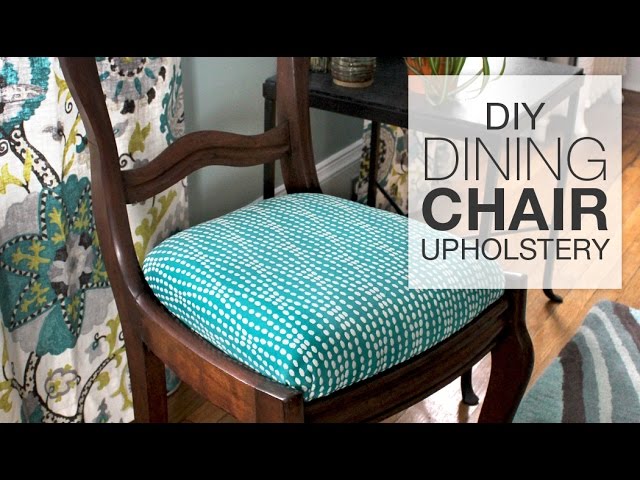
Image Source: i.ytimg.com
Why Reupholster Your Kitchen Chairs?
Outdated or worn-out kitchen chairs can bring down the entire look of your dining area. Instead of buying new ones, consider the benefits of reupholstering:
- Cost Savings: New dining chairs can be expensive. Reupholstering is a fraction of the cost, especially if you find great deals on fabric.
- Customization: You get to choose the exact fabric and style you want, perfectly matching your kitchen decor.
- Sustainability: Giving old chairs a new look is an eco-friendly choice, reducing waste.
- Skill Building: It’s a rewarding project that teaches you practical upholstery skills.
- Chair Chair Seat Repair: If your current upholstery is just a bit worn or stained, a simple fabric chair replacement can fix it.
Gathering Your Supplies
Before you begin, make sure you have all the necessary tools and materials. This will make the process smoother and more enjoyable.
Essential Tools
- Screwdriver: To remove the seat from the chair base. You might need a Phillips head or a flathead, depending on your chair’s screws.
- Staple Gun: An electric or pneumatic staple gun is best for a clean, secure hold. A heavy-duty manual staple gun can work, but it may require more effort.
- Staples: Choose staples that are long enough to go through your fabric, any padding, and securely into the wood of your chair seat. 1/2-inch staples are common.
- Scissors: Sharp fabric scissors are crucial for clean cuts.
- Utility Knife or Rotary Cutter: For trimming excess fabric.
- Measuring Tape: To measure your fabric accurately.
- Pliers (Optional but Recommended): To pull out old staples.
- Needle-Nose Pliers (Optional): For stubborn staples.
- Gloves: To protect your hands.
- Safety Glasses: To protect your eyes from flying staples.
Upholstery Materials
- New Fabric: Choose a durable fabric suitable for high-traffic areas like your kitchen. Consider cotton blends, vinyl, or even outdoor fabrics for ease of cleaning. You’ll need enough to cover your seat plus some extra for a neat finish.
- New Batting or Foam (Optional): If your chair seat is flat or the padding is worn, you might want to add a layer of batting or new foam. ¼ to ½ inch thick foam is usually sufficient for kitchen chairs.
- Dust Cover Fabric (Optional): A thin fabric like cambric or muslin to cover the underside of the seat for a finished look.
Prepping Your Kitchen Chairs
Proper preparation is key to a professional-looking finish.
Step 1: Disassembling the Chair Seat
- Turn the Chair Upside Down: Place your kitchen chair on a flat surface, upside down.
- Locate the Screws: You’ll usually find screws attaching the seat to the chair frame from underneath.
- Remove the Screws: Use the appropriate screwdriver to carefully remove these screws. Keep them in a safe place, perhaps in a small bag taped to the underside of the seat, so you don’t lose them.
- Lift the Seat Away: Gently lift the seat away from the chair frame.
Step 2: Removing the Old Upholstery
- Examine the Old Fabric: Note how the original fabric was attached, especially around the edges and corners. This will give you clues for reassembly.
- Pull Out Staples: Use pliers or a staple remover to carefully pull out all the old staples from the wood. Be thorough, as any remaining staples can snag your new fabric or poke through.
- Remove Old Fabric and Padding: Once all staples are out, peel away the old fabric. If there’s old foam or batting, remove that too. If the foam is in good condition and you’re happy with the seat’s firmness, you might be able to keep it. If not, replace it.
Choosing Your New Fabric
The fabric you choose will significantly impact the look and longevity of your reupholstered chairs.
Fabric Considerations
- Durability: Kitchen chairs get a lot of use. Look for fabrics with a high “rub count” (measured in Martindale or Wyzenbeek cycles). Fabrics like treated cotton, polyester blends, vinyl, or even certain outdoor fabrics are excellent choices.
- Cleanability: Spills are common in kitchens. Opt for fabrics that are easy to wipe clean or are stain-resistant.
- Style: Consider your kitchen’s overall aesthetic. Do you want a bold pattern, a subtle texture, or a classic solid color?
- Pattern Matching: If you choose a patterned fabric, you’ll need to consider how to align the pattern across multiple seats for a cohesive look. This often requires more fabric than a solid color.
How Much Fabric Do You Need?
This is a common question, and it depends on the size and shape of your seat. Here’s a simple way to calculate:
- Measure Your Seat: Measure the length and width of the seat.
- Add Extra: Add about 6-8 inches to both the length and width measurements. This extra allows for pulling the fabric taut and securing it neatly underneath.
- Consider Pattern Repeat: If your fabric has a pattern, you’ll need to factor in the pattern repeat to ensure you can match it across seats. Check the fabric’s label for this information.
- Example: If your seat is 18 inches x 18 inches, you’ll need fabric that is at least (18 + 8) inches x (18 + 8) inches = 26 inches x 26 inches per seat. If you’re doing four chairs, buy slightly more than four times this amount to account for pattern matching and potential mistakes.
Table: Common Fabric Types for Kitchen Chairs
| Fabric Type | Durability (General) | Cleanability | Pros | Cons |
|---|---|---|---|---|
| Cotton Blends | Medium | Good | Comfortable, breathable, wide variety of patterns | Can stain, may wrinkle |
| Polyester Blends | High | Very Good | Durable, stain-resistant, less prone to wrinkling | Can feel less natural than cotton |
| Vinyl/Faux Leather | Very High | Excellent | Waterproof, easy to wipe clean, durable | Can feel less comfortable in warm weather |
| Outdoor Fabrics | Very High | Excellent | UV resistant, water-resistant, stain-resistant | Can sometimes feel stiff or less luxurious |
| Velvet (Treated) | Medium-High | Good | Luxurious feel, can hide wear well if treated | Can attract pet hair, may require special care |
The Reupholstering Process: Step-by-Step
Now for the exciting part – bringing your chairs back to life!
Step 1: Cutting the New Fabric
- Lay Out Your Old Fabric (Optional): If the old fabric is mostly intact, you can lay it over your new fabric and cut around it, leaving the extra for overlap.
- Measure and Cut: Lay your new fabric flat, wrong side up. Place your seat cushion on top, centered. Measure and cut around the seat, adding your extra 6-8 inches for overlap on all sides. For a truly seamless finish on the underside, consider cutting a separate piece of fabric for the dust cover.
Step 2: Adding New Padding (If Needed)
- Cut Foam/Batting: If you’re adding new foam or batting, cut it to the exact size of your seat.
- Attach Padding: Lay the new foam or batting on the seat. You can secure it with a few large staples or fabric glue around the edges. Ensure it’s smooth and even. If you have a separate dust cover, you’ll staple this after your main fabric.
Step 3: Attaching the Main Fabric
This is where the magic happens. Working in sections is key for a taut, professional finish.
- Center the Fabric: Place your cut fabric over the seat cushion, ensuring it’s centered and the pattern is aligned if applicable. The right side of the fabric should be facing up.
- Start Stapling:
- Pull the fabric taut over the edge of the seat on one side (e.g., the back edge).
- Drive a staple firmly into the wood, about an inch or two from the edge.
- Go to the opposite side (the front edge). Pull the fabric very tightly and staple it. This tension is crucial for a smooth finish.
- Move to the next side (e.g., the right side). Pull the fabric taut and staple it, again about an inch or two from the edge.
- Go to the last side (the left side). Pull the fabric taut and staple it.
- Work Your Way Around: Continue stapling, working from the center of each side outwards towards the corners. Pull the fabric taut with each staple to avoid wrinkles and sagging.
Step 4: Tackling the Corners
Corners are often the trickiest part, but with a little patience, you can achieve a neat finish.
- Pleating Method: For most square or rectangular seats, you’ll create a neat pleat at each corner.
- As you approach a corner, pull the fabric taut on one side and fold it into a neat pleat.
- Staple this pleat securely into the wood.
- Then, pull the fabric from the adjacent side taut, ensuring it lies smoothly over the pleat, and staple it down.
- Neat Folds: Alternatively, you can try to fold the fabric like wrapping a gift, creating clean edges and a smooth corner. This may require trimming a small amount of excess fabric before folding, but be careful not to trim too much.
- Secure Thoroughly: Ensure all edges are stapled down securely, with staples placed close together at the corners for extra strength.
Step 5: Adding the Dust Cover (Optional)
A dust cover provides a clean, finished look to the underside of your seat.
- Cut Dust Cover Fabric: Cut your dust cover fabric (cambric or muslin) slightly smaller than the seat itself.
- Center and Staple: Place the dust cover fabric on the underside of the seat. Fold the raw edges under by about ½ inch and staple it neatly into place. Work your way around, ensuring the fabric is taut and the underside looks clean.
Step 6: Reattaching the Seat to the Chair Frame
- Align the Seat: Place the newly upholstered seat back onto the chair frame, ensuring it aligns correctly.
- Replace the Screws: Use your screwdriver to reinsert the original screws that hold the seat in place. Tighten them securely, but don’t overtighten, as this could strip the wood.
Tips for a Professional Finish
- Tension is Key: The most important factor for smooth upholstery is consistent, firm tension on your fabric. Pull tightly with every staple.
- Staple Placement: Keep staples about ¼ to ½ inch from the edge of the wood. This provides a secure hold without being overly visible. Place staples about ½ inch apart, especially on the sides, and closer together at the corners for extra strength.
- Iron Your Fabric: If your fabric is wrinkled, iron it before you start. This will make the process much easier and result in a smoother finish.
- Test on an Old Chair: If this is your first upholstery project, consider practicing on a chair you don’t care about as much, or even just a scrap piece of wood, to get a feel for the staple gun.
- Fabric Chair Replacement: If you’re just replacing the fabric and the foam is fine, you can often skip adding new padding. However, if the old fabric is stretched thin, you might still want a thin layer of batting to smooth out any imperfections.
- DIY Chair Upholstery: This is a very achievable DIY chair upholstery project. Take your time and don’t rush any steps.
Revitalizing Different Chair Styles
The basic steps for reupholstering kitchen chairs are similar, but some styles might require slight adjustments.
Modern Kitchen Chair Makeover
For a modern look, consider bold geometric prints, solid colors in vibrant or muted tones, or textured fabrics like faux leather or a structured weave. Sharp, clean lines in your fabric choice will enhance the modern aesthetic. Ensure your corners are exceptionally neat for a sleek finish.
Vintage Kitchen Chair Update
If you’re aiming for a vintage feel, floral patterns, toile, or textured damasks are excellent choices. Natural fibers like linen or cotton often lend themselves well to a vintage vibe. You might also consider adding a piping or welting cord around the seat’s edge for an extra touch of classic elegance. This involves a slightly more advanced technique but significantly enhances the vintage charm.
Dining Chair Seat Covering
For dining chairs that see less frequent but still important use, you have a wider range of fabric options. You could opt for more luxurious fabrics like velvet (though consider stain resistance) or fine chenilles. The process remains the same, but the focus might be more on aesthetics and comfort.
Kitchen Chair Seat Repair
Sometimes, the frame and structure of your kitchen chair are perfectly fine, but the seat covering is worn or damaged. In this case, you might be able to simply remove the old fabric and staples, and re-cover it with new fabric, potentially without even needing to remove the seat from the base if it’s attached securely and you have access to the underside. This is a quick way to refresh your chairs.
Frequently Asked Questions (FAQ)
How long does it take to reupholster a kitchen chair?
For a beginner, it typically takes 1-2 hours per chair, including preparation and reassembly. Once you get the hang of it, you can likely do a chair in under an hour.
What is the best fabric for kitchen chairs?
The best fabric is durable, easy to clean, and matches your style. Polyester blends, vinyl, and outdoor fabrics are often recommended for their longevity and resistance to stains and wear.
Do I need special tools?
A good quality staple gun (electric or heavy-duty manual), sharp fabric scissors, pliers for staple removal, and a screwdriver are essential.
Can I reupholster a chair with a vinyl seat?
Yes, vinyl seats can be reupholstered. You might find vinyl slightly more difficult to pull taut without stretching, so work in smaller sections and take your time.
How do I make the corners look neat?
The key to neat corners is to fold the fabric into a pleat, like wrapping a gift, and staple it securely. Practice makes perfect here!
Can I use spray adhesive instead of staples?
While spray adhesive can help hold batting or foam in place, it’s generally not recommended as the primary method for securing the main upholstery fabric. Staples provide a much more durable and secure hold for fabric chair replacement.
My chair seat is curved. How do I reupholster it?
For curved seats, you’ll need to gently ease and stretch the fabric around the curve, stapling as you go. You may need to make small relief cuts in the fabric at the most curved points, then fold and staple neatly to avoid bunching.
What if I can’t get all the old staples out?
If a few staples are very stubborn, try using needle-nose pliers to grip them firmly and pull them out. If a staple is broken off, you might be able to gently tap it down flush with the wood using a hammer to prevent it from snagging your new fabric.
How do I reupholster chairs with a pattern?
When using patterned fabric, pay close attention to the pattern repeat. Center your design on the seat and ensure the pattern flows continuously from one chair to the next. This often means buying extra fabric and carefully planning your cuts.
Conclusion
Reupholstering your kitchen chairs is a rewarding project that can save you money and enhance your home’s appearance. With the right materials and a little patience, you can achieve a professional-looking finish. Whether you’re giving your dining chairs a fresh new look with a modern kitchen chair makeover or restoring a vintage kitchen chair update, this guide provides the foundational steps for successful home upholstery projects. Enjoy your beautifully refreshed kitchen!