Can you regrout a kitchen tile counter yourself? Yes, you absolutely can regrout your kitchen tile counter yourself with the right tools and a little patience. This guide will walk you through the entire process, from preparing your workspace to applying the finishing touches. Regrouting can refresh the look of your kitchen, prevent moisture damage, and extend the life of your beautiful tile.
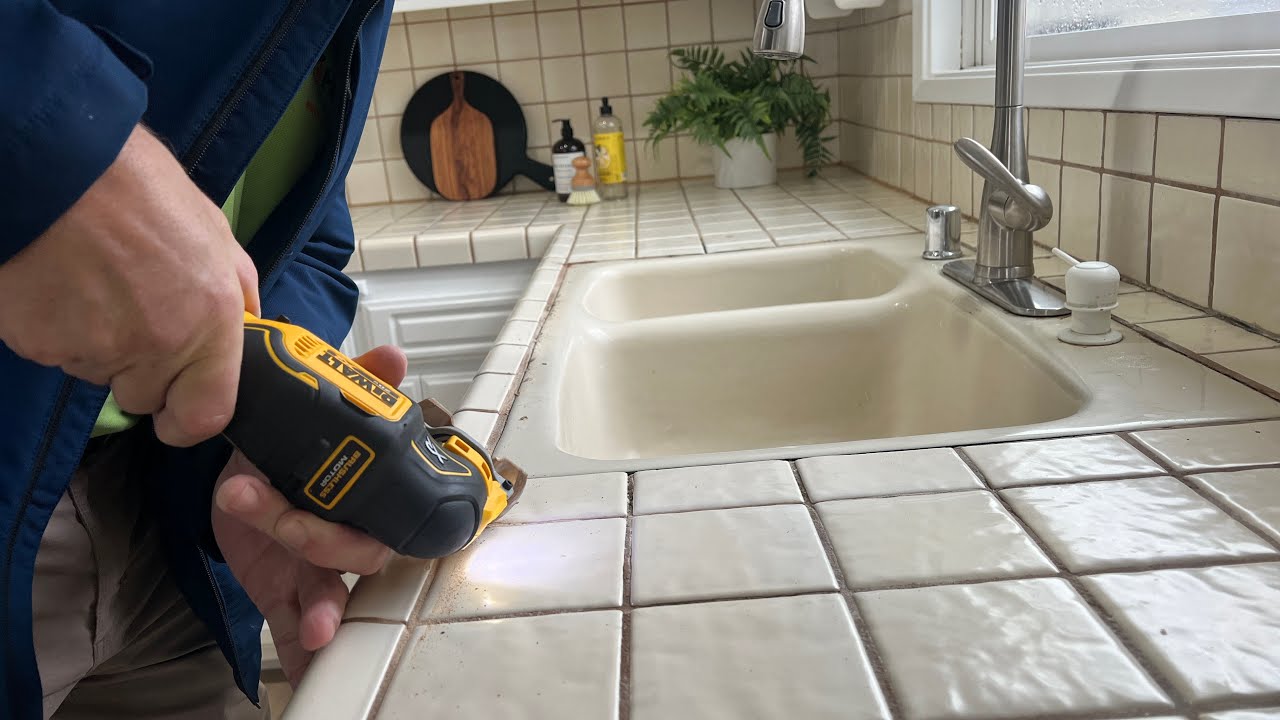
Image Source: i.ytimg.com
Why Regrout Your Kitchen Counter?
Over time, the grout between your kitchen tiles can become stained, cracked, or even fall out. This not only looks unsightly but can also lead to bigger problems.
- Aesthetics: Old, dirty grout can make even the most beautiful tiles look dull and neglected. Fresh grout brightens up your entire counter.
- Hygiene: Cracked or missing grout can harbor bacteria and grime, making your kitchen less sanitary.
- Protection: Grout acts as a sealant, protecting your sub-surface from moisture. Damaged grout allows water to seep through, potentially causing mold and structural damage.
Gathering Your Supplies: What You’ll Need
Before you begin, gather all your tools and materials. Having everything on hand makes the process much smoother.
Essential Tools for Grout Removal
- Grout Scraper: This is your primary tool for removing old grout. They come in various forms, including handheld scrapers with sharp edges or ones with carbide tips.
- Grout Saw: For more stubborn grout or working in tight spaces, a grout saw is invaluable. Its blade has teeth designed to cut through hardened grout.
- Utility Knife or Blade: A sharp utility knife can be used for scoring grout lines or carefully picking out small bits of old grout.
- Wire Brush: A stiff wire brush can help clean out loose grout and debris from the joints.
- Vacuum Cleaner with a Hose Attachment: Essential for removing all the dust and debris created during grout removal.
Materials for New Grout and Finishing
- New Grout: Choose a grout suitable for kitchen countertops. Sanded grout is generally best for wider joints (1/8 inch or more), while unsanded grout is better for narrower joints. Consider epoxy grout for its superior durability and stain resistance, though it’s more difficult to work with.
- Grout Float: A rubber-faced tool used to press new grout into the tile joints.
- Grout Bag or Caulking Gun: For applying grout in a controlled manner, especially for more delicate areas or when using certain types of grout.
- Grout Sponge: A large, dense sponge designed for cleaning excess grout off tile surfaces.
- Clean Cloths or Rags: For wiping down the tiles and buffing.
- Bucket(s): You’ll need at least two – one for mixing grout and one for clean rinse water.
- Mixing Stick or Paddle: For thoroughly mixing the grout.
- Water: For mixing the grout and cleaning your tools.
- Painter’s Tape: To protect surrounding surfaces like backsplashes or countertops if you’re not regrouting the entire surface.
- Safety Glasses: Crucial for protecting your eyes from flying debris.
- Gloves: To protect your hands from grout and cleaning solutions.
- Dust Mask: To avoid inhaling grout dust.
- Optional: Grout Sealant: Once the new grout cures, applying a sealant will protect it from stains and moisture.
- Optional: Grout Colorant: If you want to change the color of your grout.
- Optional: Grout Repair Kit: For fixing small chips or cracks if you’re not doing a full regrout.
Step-by-Step Guide to Regrouting Your Kitchen Counter
Phase 1: Preparing Your Workspace
Proper preparation is key to a successful and less messy regrouting job.
- Clear the Counter: Remove all items from your kitchen counter.
- Protect Surrounding Areas: Use painter’s tape to mask off any adjacent surfaces you don’t want to get grout on, such as your backsplash, cabinets, or sink edges. This step is crucial for a clean finish.
- Ensure Ventilation: Open windows or turn on exhaust fans, especially if you are using a chemical grout cleaner or sealant.
Phase 2: Grout Removal – The Most Tedious Part
This is where the bulk of the physical work happens. Take your time and be thorough.
Removing Old Grout
- Start with the Grout Scraper: Place the edge of your grout scraper firmly against the grout line. Apply steady pressure and scrape along the joint, aiming to remove as much of the old grout as possible. Work in short, controlled strokes.
- Employ the Grout Saw: For deeper or tougher sections, use your grout saw. The serrated edge will cut through the grout. Move the saw back and forth along the grout line. Be careful not to let the blade slip and scratch the tile.
- Use a Utility Knife: For very thin grout lines or to carefully dislodge stubborn bits, a sharp utility knife can be helpful. Score the grout line and then try to pick out the pieces.
- Clean as You Go: Periodically use your vacuum cleaner with the hose attachment to suck up loose grout dust and debris. This keeps your workspace cleaner and prevents dust from settling back into the joints.
- Work Methodically: Tackle one section at a time. This prevents you from becoming overwhelmed and ensures you don’t miss any spots.
- Check for Tile Looseness: As you remove grout, gently try to wiggle the tiles. If any tiles are loose, you’ll need to address that before regrouting. You may need a tile adhesive or even to re-tile the area.
Precision in Grout Removal
It’s important to remove enough of the old grout to create a good depth for the new grout. Aim to remove at least two-thirds of the grout depth, or enough so that the new grout has a solid surface to adhere to. Avoid damaging the edges of your tiles during this process. A common mistake is to be too aggressive, which can chip or crack the tile edges.
Cleaning the Grout Lines
Once you’ve removed the bulk of the old grout, use a stiff wire brush to sweep out any remaining loose particles and dust from the grout lines. Then, vacuum thoroughly one last time.
Phase 3: Preparing the New Grout
Mixing and preparing your new grout is a critical step for durability and appearance.
Mixing Your Grout
- Read the Manufacturer’s Instructions: This is paramount. Different grout types have different mixing ratios and procedures.
- Use a Clean Bucket: Start with a clean bucket to ensure no contaminants affect the grout mixture.
- Add Water Gradually: Most grouts require adding water to the powder. Start by adding about half the recommended amount of water, then gradually add more, mixing thoroughly after each addition.
- Achieve the Right Consistency: The goal is a smooth, peanut-butter-like consistency. It should be thick enough to hold its shape but not so dry that it crumbles, nor so wet that it runs. Over-mixing or adding too much water can weaken the grout.
- Let it Slake: Many grouts require a “slaking” period. This means letting the mixed grout sit undisturbed for 5-10 minutes. This allows the chemicals in the grout to fully hydrate. After slaking, give it another brief mix.
Grout Colorant (Optional)
If you’ve chosen to use a grout colorant, follow the product’s instructions for mixing it with the grout. Typically, you’ll add the colorant to the water before mixing it with the grout powder, or mix it in during the grout preparation. Test the color on a small, inconspicuous area if possible.
Phase 4: Applying the New Grout
This is where your counter starts to look fresh and new.
Using a Grout Float
- Load the Float: Scoop a generous amount of your mixed grout onto the grout float.
- Apply to Joints: Hold the float at a 45-degree angle to the tile surface.
- Press and Smooth: Press the grout firmly into the joints, spreading it across the tile surface. Move the float diagonally across the tiles to push the grout into the gaps and scrape off the excess from the tile faces. Work in manageable sections.
- Fill Gaps Completely: Ensure all the grout lines are filled from bottom to top, with no air pockets.
Using a Grout Bag or Caulking Gun
For very fine grout lines or if you prefer a more controlled application, you can use a grout bag.
- Fill the Bag: Spoon the mixed grout into a grout bag fitted with a tip that matches your grout line width.
- Apply Grout: Hold the bag at a consistent angle and squeeze gently to pipe the grout into the joints.
- Smooth with a Grout Float (Optional): After piping, you might still use a grout float held at a slight angle to smooth and press the grout into the lines.
Phase 5: Cleaning Off Excess Grout
This step is crucial for achieving a clean, professional look. Timing is everything here.
Initial Cleaning (The First Wipe)
- Wait Briefly: Let the grout set slightly for about 10-20 minutes (check manufacturer’s instructions for specific timing). The grout should be firm enough not to pull out of the joints easily when wiped.
- Use a Damp Grout Sponge: Dip your grout sponge in clean water and wring it out thoroughly. It should be damp, not wet.
- Wipe Diagonally: Gently wipe the sponge diagonally across the tiles. This removes the bulk of the excess grout from the tile surfaces.
- Rinse the Sponge Frequently: Rinse the sponge in a separate bucket of clean water and wring it out well after each pass. This is vital to avoid smearing grout back onto the tiles.
- Focus on Tile Faces: Your goal is to clean the tile faces, not to dig the grout out of the lines.
Second Cleaning (The Final Wipe)
- Repeat the Process: After another short waiting period (another 10-15 minutes), repeat the cleaning process with a clean grout sponge, using fresh rinse water.
- Remove Haze: This second cleaning will remove any grout haze that has started to form on the tile surface. Again, work diagonally and rinse your sponge frequently.
Buffing the Tiles
- Use Clean, Dry Cloths: Once the tile surfaces are largely free of grout, use clean, dry cloths or rags to buff the tiles and remove any remaining haze.
Phase 6: Curing and Sealing
Allowing the grout to cure properly is essential for its strength and longevity.
Grout Curing Time
- Check Manufacturer’s Recommendations: Grout curing times vary. Most grouts need at least 24-72 hours to cure adequately before the counter can be used normally. Some epoxy grouts may require longer. Avoid getting the grout wet during the curing period.
Applying Grout Sealant
- Protect Your New Grout: Once the grout has fully cured, it’s highly recommended to apply a grout sealant.
- How to Apply: Use a small brush or applicator to apply the sealant along the grout lines. Alternatively, some sealants can be applied over the entire tile surface and wiped off excess.
- Benefits of Sealing: A grout sealant will penetrate the porous grout, creating a barrier against stains and moisture, making it easier to clean and prolonging its life. Reapply sealant periodically (typically every 6-12 months) for continued protection.
Troubleshooting Common Issues
What if I chipped a tile during grout removal?
If you discover a chipped tile, you can often repair it using a specialized tile repair kit that includes color-matched epoxy or fillers. Clean out the chipped area thoroughly before applying the repair material.
My new grout looks uneven. What can I do?
Minor unevenness can sometimes be fixed by carefully scraping away the high spots with a sharp utility knife once the grout is fully cured. For significant issues, you might need to carefully remove the problematic grout section and reapply new grout.
How do I deal with very fine grout lines?
For very fine grout lines, unsanded grout is usually recommended. When applying, use a grout bag or a specialized grout applicator for better control. When cleaning, be very gentle with your sponge to avoid pulling the thin grout out of the joint.
Can I regrout over existing grout?
While it’s sometimes possible to apply new grout over old grout if the old grout is still well-adhered and the joints are deep enough, it’s generally not recommended. Removing the old grout ensures a strong bond for the new grout and prevents potential delamination or cracking down the line. This is where your grout removal tools are essential.
How to Maintain Your Regrouted Countertop
- Clean Regularly: Use a mild, pH-neutral cleaner specifically designed for tile and grout. Avoid harsh chemicals or abrasive scrubbers that can damage the grout sealant.
- Wipe Up Spills Quickly: This is especially important if you haven’t sealed your grout yet or if the sealant has worn off.
- Reapply Grout Sealant: As mentioned, reseal your grout periodically to maintain its protective barrier.
Frequently Asked Questions (FAQ)
Q1: How long does it take to regrout a kitchen counter?
A1: The time it takes varies greatly depending on the size of your counter and your experience level. Grout removal is often the most time-consuming part, potentially taking several hours. Applying the new grout and cleaning might take another 2-4 hours. Factor in drying and curing times as well.
Q2: What is the best type of grout for a kitchen counter?
A2: For most kitchen counters, sanded grout is ideal for joints 1/8 inch or wider due to its strength and durability. For very narrow joints (less than 1/8 inch), unsanded grout is preferred to avoid scratching the tile edges. Epoxy grout offers superior stain resistance and is very durable but is harder to work with.
Q3: My grout is stained. Can I just use a grout cleaner?
A3: For light staining, a good tile grout cleaner might be sufficient. However, if the grout is deeply stained, cracked, or crumbling, regrouting is the more effective long-term solution. A grout repair kit can address minor imperfections without a full regrout.
Q4: Do I need a grout sealant?
A4: Yes, it is highly recommended to apply a grout sealant after regrouting and allowing the new grout to cure. It protects the grout from stains and moisture, making it easier to clean and extending its lifespan.
Q5: Can I change the color of my grout?
A5: Yes, you can change the color of your grout by using a grout colorant. This is typically mixed with the new grout or applied as a stain after the new grout has cured.
Regrouting your kitchen tile counter might seem like a daunting task, but with this comprehensive guide, you’re well-equipped to tackle it. By carefully following each step, you can achieve a beautiful, clean, and protected countertop that will enhance your kitchen’s appearance and functionality for years to come.