Seeing tiny roaches in your kitchen is a worrying sign, and the question on everyone’s mind is: can I get rid of tiny roaches in my kitchen fast? Yes, you can effectively get rid of tiny roaches in your kitchen quickly by combining thorough cleaning, targeted treatments, and preventative measures. What are the best ways to eliminate roaches? The most effective strategies involve identifying their hiding spots, employing baits and traps, using appropriate insecticides cautiously, and maintaining strict sanitation.
Discovering small roaches scuttling across your countertops or disappearing into cracks and crevices is a sure sign of a kitchen infestation. These tiny invaders, often German cockroaches or their nymphs, are notoriously resilient and reproduce rapidly. Tackling them requires a swift and decisive approach. This guide will walk you through a comprehensive plan for cockroach control and effective pest removal to eliminate roaches from your kitchen and keep them from coming back.
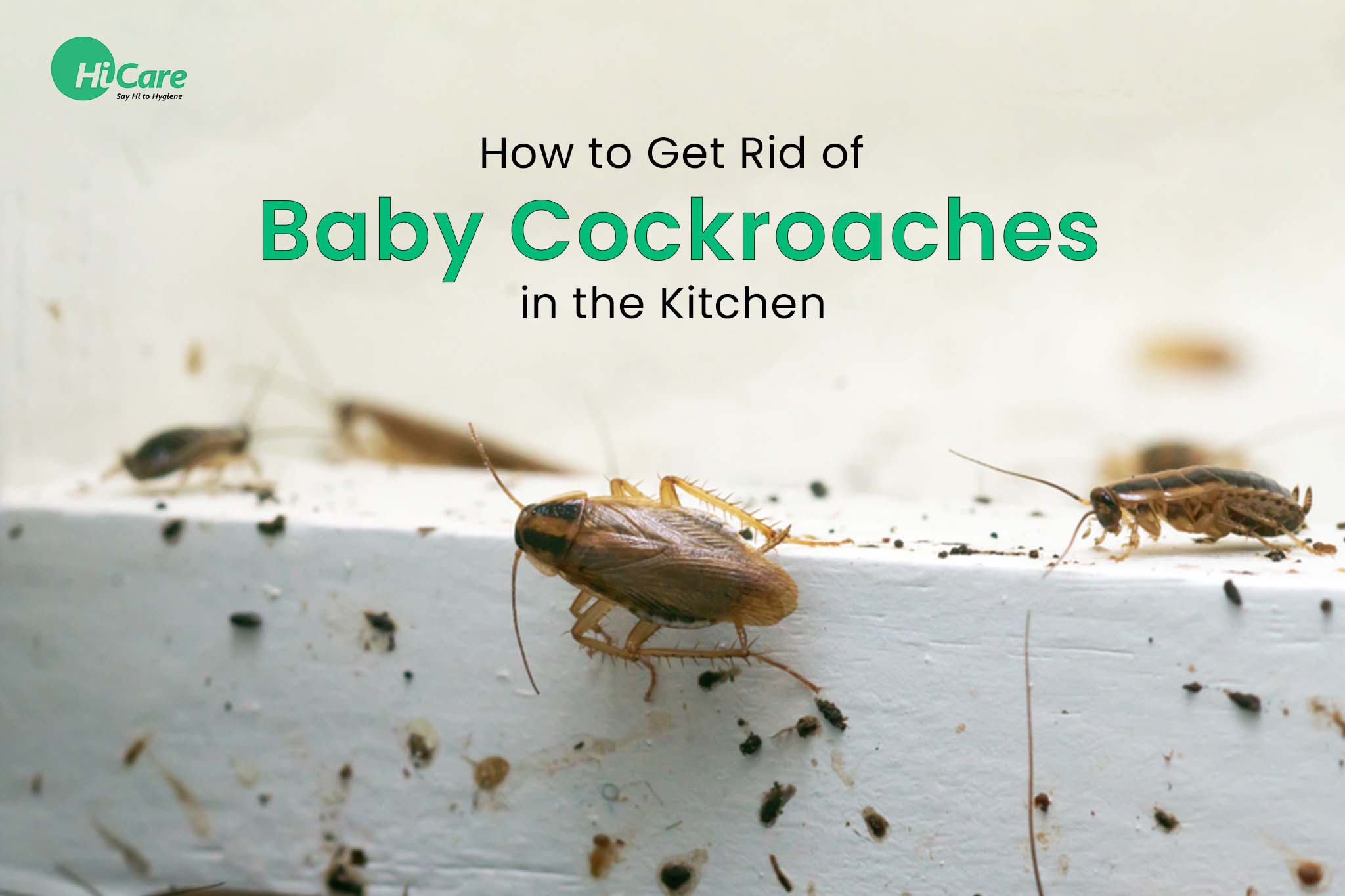
Image Source: hicare.in
Identifying the Enemy: What are These Tiny Roaches?
Before you can effectively get rid of them, it’s important to know what you’re dealing with. The most common culprits for tiny roaches in kitchens are German cockroaches.
German Cockroach Characteristics
- Size: Adult German cockroaches are typically 1/2 to 5/8 inches long. Their nymphs, the immature stages, are even smaller, appearing as dark specks.
- Color: They are usually light brown to tan with two dark, parallel stripes on the pronotum (the shield-like area behind the head).
- Behavior: They are nocturnal and prefer warm, humid environments, making kitchens a prime habitat. They are excellent climbers and can squeeze through very tiny openings.
- Reproduction: They have a very fast reproduction cycle, with females producing many egg cases (oothecae), each containing 30-40 eggs. This rapid breeding is why infestations can escalate quickly.
The First Line of Defense: Deep Cleaning and Sanitation
A spotless kitchen is your greatest weapon against tiny roaches. These pests are attracted to food, water, and shelter. Eliminating these resources is paramount.
Kitchen Cleanliness: The Foundation of Pest Control
-
Eliminate Food Sources:
- Wipe down all food preparation surfaces thoroughly after every use.
- Sweep and mop kitchen floors daily to pick up crumbs and spills.
- Store all food in airtight containers, including dry goods like flour, sugar, and cereal.
- Don’t leave dirty dishes in the sink overnight.
- Empty trash cans daily and use bins with tight-fitting lids. Clean the bins themselves regularly.
- Clean under and behind appliances like refrigerators, ovens, and dishwashers. These are common hiding places.
- Wipe down the stovetop and oven regularly, paying attention to grease buildup.
-
Control Water Sources:
- Fix any leaky pipes or faucets immediately. Even small drips can provide enough water for roaches.
- Wipe down sinks and countertops to remove standing water before going to bed.
- Ensure no pet water bowls are left full overnight, or place them in a cleanable area.
-
Declutter and Seal:
- Reduce clutter in your kitchen, especially in cabinets and drawers. Roaches love to hide in stacks of paper, cardboard, and disarray.
- Seal any cracks, crevices, or holes in walls, cabinets, and around pipes with caulk. These are entry and hiding points for small roaches.
Targeted Treatments for Rapid Elimination
Once your kitchen is clean and your defenses are up, it’s time for targeted treatments to kill existing roaches and disrupt their life cycle.
Roach Baits: The Smart Way to Eliminate Roaches
Bait stations are highly effective for cockroach control because they exploit the roaches’ natural foraging behavior.
- How Baits Work: Roaches are attracted to the bait, consume it, and then return to their harborage areas to die. Other roaches may then consume the poisoned feces or carcasses, leading to a domino effect that can eliminate roaches within the infestation.
- Placement is Key:
- Place bait stations in areas where you’ve seen roaches or signs of their activity. This includes under sinks, behind appliances, in cabinets, along baseboards, and near food preparation areas.
- Avoid placing baits directly next to bug spray applications, as this can deter roaches from reaching the bait.
- Types of Baits:
- Gel Baits: These are applied in small dots or lines in cracks and crevices. They are excellent for targeting specific hiding spots.
- Bait Stations: These are small, enclosed units containing bait. They are safer for homes with children and pets as they limit access to the bait.
Table 1: Effective Bait Placement Areas
| Location | Why it’s Good for Roaches |
|---|---|
| Under sinks | Warm, often humid, near water |
| Behind appliances | Warm, dark, undisturbed |
| Inside cabinets | Close to food sources, potential shelter |
| Along baseboards | Travel routes, hiding spots |
| Near water heaters | Warmth |
| In electrical outlets (use caution, specialized bait)* | Warm, dark, potential harborage |
Note: Specialized outlet bait stations are available and designed for safe use in electrical outlets. Never insert any other form of bait or chemical into electrical outlets.
Insect Growth Regulators (IGRs)
IGRs don’t kill adult roaches directly but disrupt their ability to reproduce and mature. This is a crucial long-term strategy for cockroach control.
- How IGRs Work: They mimic juvenile hormones, preventing nymphs from molting into adults and causing sterile adults.
- Application: IGRs are available as sprays or baits. They are best used in conjunction with other killing methods.
Contact Sprays and Aerosols (Use with Caution)
While quick-acting, contact sprays are often a temporary fix and can even scatter roaches, making them harder to target with baits.
- When to Use: Best for direct contact with a visible roach or to quickly clear a small, localized area.
- Caution:
- Avoid broad-spectrum spraying: This can kill beneficial insects and even repel roaches from baits.
- Ventilate well: Ensure good airflow when using any aerosol products.
- Read labels carefully: Follow all instructions and safety precautions.
- Spot treatment is preferred: Target specific areas rather than widespread application.
Sticky Traps
These are useful for monitoring and catching roaches.
- Purpose: Sticky traps help you identify where roaches are most active, allowing for more precise bait placement. They also catch some roaches directly.
- Placement: Place them in areas of high activity, like along walls and under cabinets.
Natural Roach Killers and Repellents
For those seeking alternatives to chemical treatments, several natural roach killers and repellents can be effective, especially for minor infestations or as a complementary approach.
Diatomaceous Earth (Food Grade)
- What it is: A natural powder made from fossilized aquatic organisms.
- How it works: It has sharp edges that pierce the roach’s exoskeleton, causing dehydration and death.
- Application: Sprinkle a thin layer in areas where roaches travel, such as along baseboards, under appliances, and in cracks and crevices. Ensure it’s food-grade for safety.
Boric Acid
- How it works: Boric acid acts as a stomach poison and an abrasive. When roaches ingest it (often while grooming themselves after crawling over it), it damages their digestive system and exoskeleton.
- Application: Apply a very thin, barely visible layer in out-of-the-way places like under cabinets, behind appliances, and in wall voids. Avoid areas where food can come into contact with it.
- Caution: Boric acid can be toxic if ingested by pets or children, so use it with extreme care and in inaccessible locations.
Essential Oils
Certain essential oils have repellent properties that can deter roaches.
- Effective Oils: Peppermint oil, eucalyptus oil, and tea tree oil are often cited.
- How to Use: Mix a few drops of the oil with water in a spray bottle and spray around entry points, cracks, and crevices. This is more of a deterrent than a killer.
Vinegar and Baking Soda Paste
- How it works: A mixture of vinegar and baking soda can be used to create a paste that, when applied to a roach, can disrupt its internal chemistry and exoskeleton. It’s also a good cleaning agent that removes odors roaches are attracted to.
- Application: Mix equal parts baking soda and sugar with a small amount of water to form a paste. Place this in bottle caps or small containers in areas roaches frequent. The sugar attracts them, and the baking soda, once ingested, causes internal issues.
Long-Term Prevention: Keeping Your Kitchen Roach-Free
Once you’ve successfully tackled the current kitchen infestation, the key to preventing a recurrence lies in consistent vigilance and maintenance.
Maintaining Kitchen Cleanliness Relentlessly
This cannot be stressed enough. Regular deep cleaning is your best long-term strategy for cockroach control.
- Daily Habits:
- Wipe down counters and stovetop after every meal.
- Sweep/vacuum floors daily.
- Wash dishes immediately or place them in the dishwasher.
- Rinse out the sink.
- Weekly Habits:
- Deep clean under appliances.
- Wipe down cabinet fronts.
- Vacuum upholstery and hidden corners.
- Empty and clean trash cans.
Sealing Entry Points and Harborage Areas
- Regular Inspections: Periodically check for new cracks or gaps around pipes, windows, and doors.
- Caulking: Use caulk to seal any openings you find. This is a critical step in pest removal.
Water Management
- Fix Leaks Promptly: Any source of water is a magnet for roaches.
- Dry Surfaces: Ensure all surfaces are dry before bed.
Reducing Clutter
- Organize: Keep cabinets and pantries tidy.
- Cardboard: Roaches love to hide in cardboard. Transfer pantry items to airtight plastic or glass containers.
Consider Complementary Pest Control Methods
- Ant Bait Stations: While designed for ants, some bait stations can also attract and kill other small insects. However, it’s important to use products specifically formulated for cockroaches for the most effective cockroach control.
- Insect Repellent: For preventative measures, natural insect repellent sprays can be used around entry points, but their effectiveness against established infestations is limited.
When to Call the Professionals
While DIY methods can be very effective for tackling small roaches, there are times when professional pest removal is necessary.
Signs You Need Professional Help
- Large Infestations: If you see roaches during the day, notice a strong musty odor, or find droppings in multiple rooms, the infestation may be too widespread for DIY methods alone.
- Persistent Problems: If you’ve tried various methods and the roach problem persists, a professional pest control service has access to stronger treatments and expertise.
- Health Concerns: For individuals with severe allergies or asthma, professional pest control can offer safer and more effective solutions.
Frequently Asked Questions About Tiny Roaches
Q1: Can I get rid of tiny roaches in my kitchen fast?
A1: Yes, you can get rid of tiny roaches fast by combining thorough cleaning, targeted baiting, and sealing entry points. Speed depends on the size of the infestation and consistency of your efforts.
Q2: What is the best way to eliminate roaches?
A2: The best way to eliminate roaches is a multi-pronged approach: strict sanitation to remove food and water sources, using effective baits strategically placed, sealing entry points, and potentially using insect growth regulators to break their life cycle.
Q3: Are natural roach killers effective?
A3: Natural roach killers like food-grade diatomaceous earth and boric acid can be effective, especially for minor issues or as part of a broader strategy. They work by dehydrating or poisoning the roaches. However, they may not be as fast-acting as chemical treatments for severe infestations.
Q4: How do I prevent roaches from returning?
A4: Prevention involves maintaining rigorous kitchen cleanliness, promptly fixing leaks, sealing all cracks and crevices, storing food in airtight containers, and regularly inspecting for early signs of an infestation.
Q5: Is bug spray the best option for tiny roaches?
A5: Bug spray can kill roaches on contact, but it’s often not the most effective long-term solution. It can scatter roaches, making them harder to target with baits, and doesn’t address the source of the infestation. Baits and sanitation are generally more effective for complete cockroach control.
Q6: What attracts tiny roaches to my kitchen?
A6: Tiny roaches are attracted to kitchens by the availability of food crumbs, spills, grease, water sources (leaky pipes, standing water), and dark, warm, undisturbed hiding places like cracks and crevices.
Q7: Can ant bait stations kill roaches?
A7: While some ants and roaches might be attracted to similar baits, it’s best to use products specifically designed for cockroach control for the most effective results. Ant bait stations are formulated with attractants and active ingredients that target ants.
Q8: How quickly can I expect to see results after treatment?
A8: You might see a reduction in visible roaches within a few days to a week, especially with baits. However, completely eliminating an infestation can take several weeks, as baits work over time and IGRs disrupt the breeding cycle.
Q9: What is the musty smell in my kitchen related to roaches?
A9: A persistent musty or oily odor in your kitchen is often a sign of a significant roach infestation. Roaches secrete pheromones that can create this smell, and it becomes more noticeable as their numbers grow.
Q10: Can I use essential oils as an insect repellent for roaches?
A10: Essential oils like peppermint or eucalyptus can act as insect repellent and may help deter roaches from certain areas, but they are generally not powerful enough to eliminate roaches from an established infestation on their own. They are best used as a supplementary measure.
By following this detailed guide, you can effectively tackle those unwelcome tiny roaches in your kitchen and restore peace and cleanliness to your home. Remember, consistency and a thorough approach are your greatest allies in pest removal and cockroach control.