Can you eliminate cockroaches in your kitchen? Yes, absolutely! This guide provides safe and proven solutions to get rid of these unwelcome guests and keep them out.
Cockroaches in the kitchen are more than just a nuisance; they are a serious health concern and a sign of potential hygiene issues. These resilient pests can carry bacteria, trigger allergies, and contaminate food surfaces. Facing a cockroach infestation removal can feel overwhelming, but with the right knowledge and strategies, you can reclaim your kitchen. This comprehensive guide will walk you through identifying the problem, implementing effective treatments, and crucially, preventing cockroaches in kitchen areas permanently.
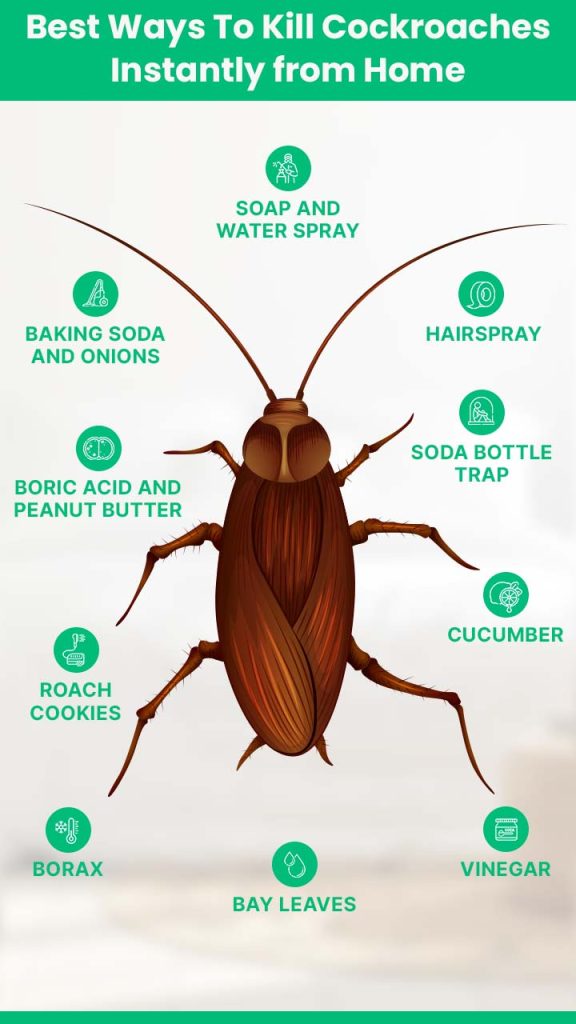
Image Source: hicare.in
Identifying a Cockroach Problem
Before you can tackle the issue, you need to know what you’re dealing with. Signs of cockroaches are often subtle at first.
Common Signs of Cockroach Presence
- Droppings: These look like small, dark specks, often resembling ground coffee or black pepper. You might find them along baseboards, inside cabinets, or near food sources.
- Egg Cases (Oothecae): Cockroaches lay their eggs in protective casings. These are usually reddish-brown or dark brown and can be found tucked away in hidden, dark spots.
- Musty Odor: A large infestation can produce a distinct, unpleasant, musty smell. This is caused by the roaches themselves and their droppings.
- Shed Skins: As cockroaches grow, they shed their exoskeletons. Finding these translucent casings can indicate a thriving population.
- Live Cockroaches: The most obvious sign is spotting live roaches, especially during the day. They are typically nocturnal, so seeing them in daylight suggests a significant infestation.
The Cockroach’s Favorite Hangouts
Cockroaches are drawn to warmth, moisture, and food. Your kitchen offers all three. Knowing where they hide is key to effective kitchen pest control.
Prime Kitchen Hiding Spots
- Under sinks: Leaky pipes provide moisture, and leftover food scraps offer sustenance.
- Inside cabinets and drawers: Especially those containing food items like cereals, flour, and sugar.
- Behind appliances: Refrigerators, ovens, and dishwashers generate heat and can have food debris behind them.
- In cracks and crevices: Along baseboards, around pipes, and in wall voids.
- Around trash cans: Even sealed bins can attract roaches if there’s residue on the outside.
- Inside electrical outlets and appliances: They can even nest within toaster ovens or microwaves.
Effective Strategies for Cockroach Elimination
Eliminating cockroaches requires a multi-pronged approach. Combining various methods often yields the best results. We will explore both commercial products and home remedies for roaches.
The Power of Cockroach Baits
Cockroach baits are highly effective because they target the roach’s natural scavenging behavior. They contain an attractant mixed with a slow-acting insecticide. A roach eats the bait, returns to its hiding spot, and dies. Other roaches then consume the dead roach or its droppings, ingesting more insecticide. This domino effect can decimate an entire colony.
How to Use Cockroach Baits Effectively
- Placement is Key: Place baits in areas where you’ve seen roach activity. This includes under sinks, behind appliances, in cabinets, and along baseboards.
- Follow Instructions: Always read and follow the manufacturer’s instructions for application and safety.
- Refresh Regularly: Baits can dry out or become less attractive over time. Replace them as recommended.
- Combine with Other Methods: Baits work best when used with other safe cockroach treatments.
The Role of Cockroach Traps
Cockroach traps are a great way to monitor and reduce cockroach populations. Many are sticky traps, designed to lure roaches in with an attractant and then hold them fast. Others are enclosed bait stations.
Types of Cockroach Traps and Their Uses
- Sticky Traps: These are simple cardboard traps coated with strong adhesive. They are excellent for identifying high-traffic areas and monitoring the effectiveness of other treatments.
- Placement: Tuck them into corners, under appliances, and in cabinets where roaches are likely to travel.
- Benefits: Non-toxic, easy to use, and provide a visual indicator of the infestation.
- Bait Stations: These are enclosed plastic containers with bait inside. They offer a more contained and potentially safer way to use baits, especially in homes with children or pets.
- Placement: Similar to sticky traps, place them near suspected roach harborage areas.
- Benefits: Protects bait from moisture and contamination, keeps insecticide away from children and pets.
Understanding Cockroach Sprays
Cockroach spray can provide a quick knockdown of visible roaches. However, it’s crucial to use them correctly and cautiously, especially in a kitchen environment. Many sprays kill on contact but have little residual effect.
Safe and Strategic Use of Cockroach Sprays
- Targeted Application: Instead of broad spraying, aim to spray directly at roaches or into cracks and crevices where they hide.
- Read Labels Carefully: Choose sprays specifically designed for cockroaches and suitable for kitchen use. Always check if they are safe to use near food preparation areas and follow ventilation instructions.
- Ventilation is Crucial: Ensure good ventilation when using any cockroach spray. Open windows and use fans.
- Avoid Food Surfaces: Never spray directly onto countertops, utensils, or food. Cover or remove these items before spraying.
- Consider Residual Sprays: Some sprays leave a residue that continues to kill roaches for a period. These can be effective when applied to baseboards and other non-food contact surfaces.
Harnessing Natural Cockroach Killers and Home Remedies
For those seeking natural cockroach killers or effective home remedies for roaches, several options exist. These are often safer alternatives, particularly in the kitchen.
Popular Natural Solutions
- Diatomaceous Earth (Food Grade): This is a powder made from fossilized aquatic organisms. It has sharp edges that scratch the roach’s exoskeleton, causing dehydration and death.
- How to Use: Sprinkle a thin layer in areas where roaches travel, such as under appliances, behind cabinets, and along baseboards. Ensure it’s food-grade and keep it dry for maximum effectiveness.
- Boric Acid: This is a mild insecticide that acts as a stomach poison. Roaches ingest it when they clean themselves after walking through it.
- How to Use: Apply a very thin dusting in areas roaches frequent, but out of reach of children and pets. Avoid applying it where it could become airborne or contaminate food.
- Vinegar and Water Solution: A mixture of equal parts white vinegar and water can be used to clean surfaces. While not a direct killer, it can disrupt roach trails and remove the scent markers they use to navigate.
- Essential Oils: Certain essential oils, like peppermint, eucalyptus, and tea tree oil, are believed to repel roaches due to their strong scents. You can mix them with water and spray or soak cotton balls to place in affected areas. Their effectiveness as killers is limited, but they can be part of a broader deterrent strategy.
- Baking Soda and Sugar: A mixture of baking soda and sugar (in equal parts) can be placed in areas roaches frequent. The sugar attracts them, and the baking soda, when ingested, produces gas that can kill them.
Important Note on Natural Solutions: While often safer, natural cockroach killers may take longer to show results and might not be as potent as chemical insecticides for severe infestations. Persistence and proper application are key.
DIY Cockroach Extermination: A Smart Approach
DIY cockroach extermination is not only possible but often the most cost-effective and immediate solution for homeowners. It involves combining the methods discussed above.
A Step-by-Step DIY Plan
- Clean Thoroughly: This is the most critical step. Remove all food sources, crumbs, and grease. Wipe down all surfaces.
- Seal Entry Points: Inspect your kitchen for cracks, holes, or gaps in walls, around pipes, and near windows. Seal these with caulk.
- Deploy Baits and Traps: Place cockroach baits strategically. Use sticky traps to monitor activity.
- Apply Natural Killers: Dust areas with food-grade diatomaceous earth or boric acid where appropriate.
- Use Sprays Sparingly and Safely: Use cockroach spray for direct contact or in specific hiding spots, following all safety precautions.
- Maintain Sanitation: Regularly empty trash cans, clean spills immediately, and store food in airtight containers.
Preventing Cockroaches in Your Kitchen: The Long Game
Once you’ve managed to eliminate the current population, the real challenge is preventing cockroaches in kitchen areas from returning. This requires ongoing vigilance and consistent good habits.
Key Prevention Strategies
- Impeccable Sanitation:
- Clean up spills and crumbs immediately.
- Wash dishes promptly. Don’t leave them in the sink overnight.
- Wipe down counters and stovetops daily.
- Regularly clean inside cabinets and pantries.
- Empty trash cans daily and ensure they have tight-fitting lids.
- Eliminate Water Sources:
- Fix leaky faucets and pipes.
- Wipe down sink areas after use.
- Don’t leave pet water bowls full overnight if possible, or clean them regularly.
- Seal Entry Points:
- Continue to seal any new cracks or openings that appear in walls, floors, or around windows and doors.
- Proper Food Storage:
- Store all food in airtight containers. This includes dry goods like flour, sugar, cereal, and pasta, as well as pet food.
- Avoid leaving food out on counters.
- Declutter:
- Reduce clutter in your kitchen, especially in cabinets and pantries. Roaches love to hide in stacks of paper, cardboard, and other debris.
- Regular Monitoring:
- Periodically check for signs of roaches, even if you haven’t seen any for a while. Use sticky traps to catch any new arrivals early.
When to Call the Professionals
While DIY cockroach extermination can be effective, there are times when professional intervention is necessary.
Signs You Might Need Professional Help
- Persistent Infestations: If you’ve tried multiple DIY methods and the problem persists or worsens, it’s time to call in experts.
- Large Infestations: A widespread infestation with visible roaches during the day often indicates a problem beyond the scope of typical home remedies.
- Allergies or Asthma: If anyone in your household suffers from allergies or asthma that seem to be aggravated by the roaches, professional treatments might be the safest and most effective option.
- Difficulty Reaching Areas: Professionals have specialized equipment to reach and treat roach harborage areas that are inaccessible to homeowners.
When hiring a professional, inquire about their safe cockroach treatments and the types of chemicals they use, especially if you have pets or young children.
Cockroach Lifecycle and Behavior Insights
To effectively combat cockroaches, it helps to understand their lifecycle and behavior.
The Cockroach Lifecycle
- Eggs: A female cockroach can lay multiple egg cases (oothecae) throughout her life, each containing 10-40 eggs. The incubation period varies by species but can be as short as a month.
- Nymphs: After hatching, young cockroaches, called nymphs, emerge. They resemble smaller versions of adult roaches but lack wings. They molt several times as they grow. This stage can take several months.
- Adults: Once mature, adult roaches can reproduce, continuing the cycle. The lifespan of an adult cockroach can range from a few months to over a year, depending on the species and environmental conditions.
Behavioral Traits
- Nocturnal: Most cockroaches are most active at night.
- Thigmotaxis: They prefer to stay in contact with surfaces, hugging walls and moving through tight spaces. This is why they are often found along baseboards and in cracks.
- Scavengers: They eat almost anything, including food, garbage, and even paper or soap.
- Fast Reproducers: Under favorable conditions, their populations can grow very rapidly.
This knowledge helps in placing baits and traps more strategically and understanding why consistent sanitation is so vital.
Common Cockroach Species in Kitchens
Different species have slightly different habits and preferences, which can influence treatment strategies.
American Cockroach (Periplaneta americana)
- Description: Large, reddish-brown, oval-shaped.
- Habitat: Prefer warm, moist areas like basements, sewers, and kitchens. They can travel long distances.
- Treatment: Baits and crack-and-crevice treatments are effective. Good sanitation is crucial.
German Cockroach (Blattella germanica)
- Description: Smaller, light brown with two dark parallel stripes on the thorax.
- Habitat: Most commonly found in kitchens and bathrooms, especially in warm, humid environments. They are prolific breeders.
- Treatment: This species is notoriously difficult to eradicate. A combination of cockroach baits, insect growth regulators (IGRs), and targeted cockroach spray is often necessary. Persistence is key.
Oriental Cockroach (Blatta orientalis)
- Description: Dark brown to black, shiny, and about an inch long.
- Habitat: Prefer cooler, damper areas like basements, crawl spaces, and under sinks.
- Treatment: Focus on eliminating moisture sources and sealing entry points. Baits and perimeter treatments are effective.
Advanced Techniques and Considerations
For stubborn infestations or a more comprehensive approach to kitchen pest control, consider these advanced techniques.
Insect Growth Regulators (IGRs)
IGRs are not traditional insecticides. Instead, they disrupt the cockroach’s life cycle. They prevent nymphs from maturing into reproductive adults or cause eggs to fail to hatch. IGRs are often used in conjunction with baits and can be highly effective in breaking the reproductive cycle of a cockroach infestation removal.
Gel Baits
These are highly palatable and effective for targeting specific harborages. Gel baits can be applied with a syringe into cracks, crevices, and other hidden areas where roaches are likely to feed.
Professional Pest Control Products
While not typically available to the public, some professionals use specialized formulations like insecticidal dusts that can be puffed into wall voids and other inaccessible areas for long-lasting control.
Frequently Asked Questions (FAQ)
Q1: How quickly can I get rid of cockroaches in my kitchen?
A1: The speed of elimination depends on the severity of the infestation and the methods used. With aggressive DIY treatments using baits and effective sanitation, you might see a significant reduction in as little as a week. However, complete eradication, especially for German cockroaches, can take several weeks or even months of consistent effort.
Q2: Are natural cockroach killers safe to use in a kitchen?
A2: Yes, natural cockroach killers like food-grade diatomaceous earth and boric acid can be safe when used according to directions. The key is to apply them correctly, avoiding direct contact with food preparation surfaces and ensuring they are out of reach of children and pets.
Q3: What is the best way to prevent cockroaches from returning?
A3: Consistent sanitation is the most crucial factor. Regularly clean your kitchen, store food in airtight containers, fix leaks, and seal any cracks or openings. By making your kitchen an unattractive environment for roaches, you significantly reduce the chances of a return.
Q4: Can I use cockroach spray around food?
A4: It is strongly advised not to use cockroach spray directly on or near food, food preparation surfaces, or utensils. Always cover or remove food items and clean all surfaces thoroughly after spraying and before preparing food again. Opt for bait stations or targeted application in inaccessible areas if possible.
Q5: How do I know if I have a serious cockroach infestation?
A5: Signs of a serious infestation include seeing live cockroaches frequently, especially during the day; a persistent musty odor; and finding numerous droppings, egg cases, and shed skins in various areas of your kitchen. If you’ve tried multiple DIY methods without success, it’s also a sign of a significant problem.
Q6: What’s the difference between cockroach baits and cockroach traps?
A6: Cockroach baits are designed to be eaten by roaches and contain insecticide, killing them after they ingest it. Cockroach traps are usually sticky surfaces that physically catch roaches, or they can be bait stations that contain bait. Traps are often used for monitoring or as a supplementary control method.
Q7: Can cockroaches transmit diseases in the kitchen?
A7: Yes, cockroaches can carry and spread bacteria, viruses, and protozoa on their bodies. They can contaminate food and surfaces, potentially causing food poisoning or spreading pathogens like Salmonella and E. coli. They can also exacerbate allergies and asthma symptoms.
By following this comprehensive guide, you are well-equipped to tackle cockroach problems in your kitchen and implement strategies for long-term prevention. Remember, persistence, cleanliness, and a combination of the right methods are your greatest allies in maintaining a pest-free kitchen.