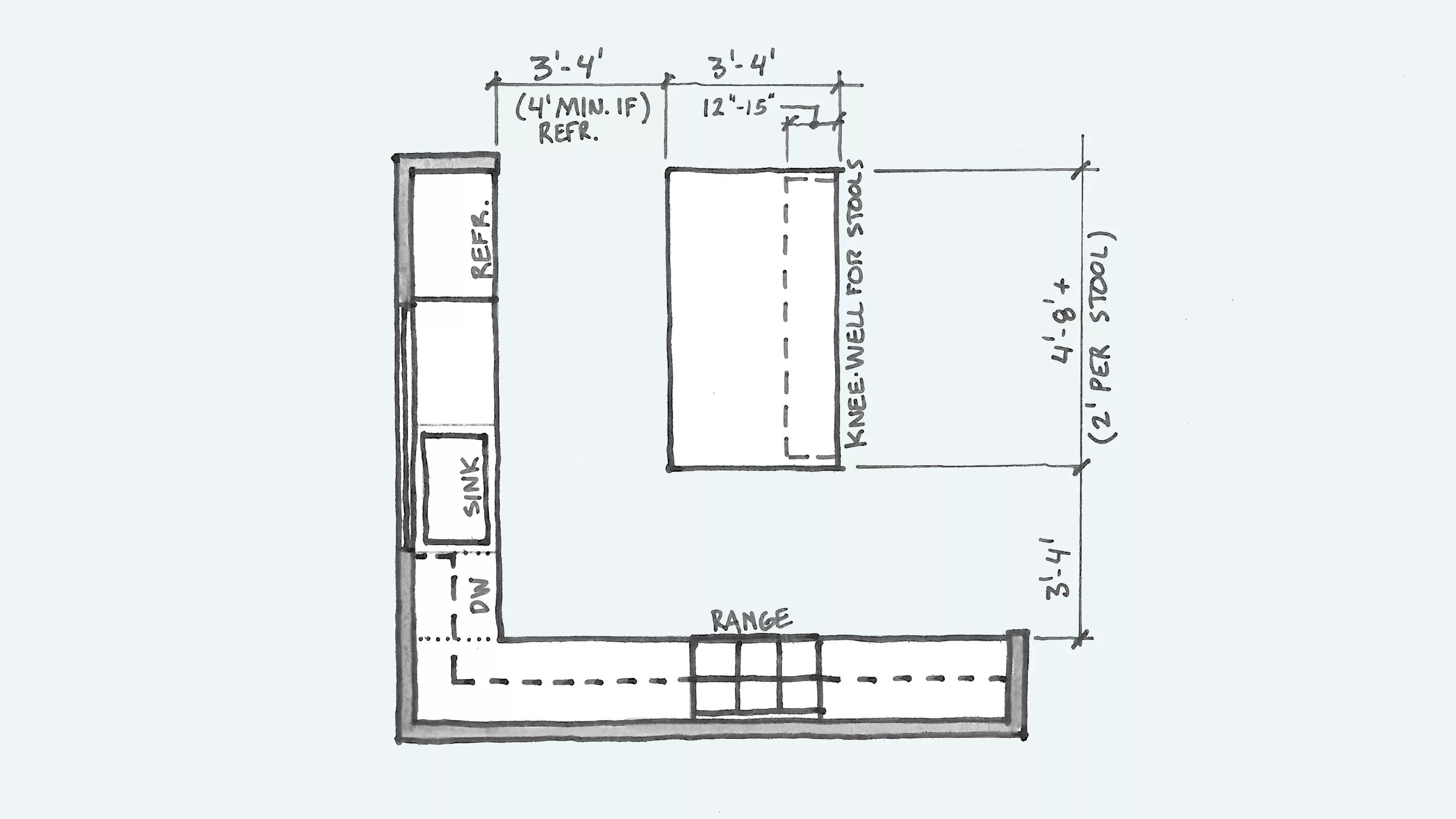
Image Source: www.boardandvellum.com
Kitchen Island Spacing: How Much Space Do You Really Need?
Wondering how much space you need for a kitchen island? Aim for a minimum of 36 inches of clearance on all sides where you’ll be walking or opening appliances, and ideally 42-48 inches for comfortable working and passage. This ensures safety, functionality, and a pleasant cooking experience.
Designing Your Dream Kitchen with a Central Hub
The kitchen island has evolved from a simple workspace to the undisputed heart of the modern home. It’s where meals are prepped, homework is done, conversations flow, and memories are made. But the magic of a kitchen island isn’t just its presence; it’s in its perfect kitchen island placement and the generous kitchen island clearance that surrounds it. Too small, and it feels cramped and inefficient. Too large, and it can make your kitchen feel like a obstacle course. So, how much space do you really need? Let’s dive into the details of practical kitchen island spacing.
Fathoming the Ideal Kitchen Island Dimensions
When considering kitchen island dimensions, it’s crucial to think beyond just the island itself and consider the entire kitchen’s flow. Your island’s size and shape must work in harmony with your existing cabinetry, appliances, and the overall island kitchen layout.
The Foundation: Minimum Kitchen Island Size
What is the minimum kitchen island size? While you can technically fit a very small island in almost any kitchen, for it to be truly functional, it needs to be at least 3 feet by 6 feet. This allows for a decent countertop surface and a little legroom. However, this is a very tight squeeze and often only works in larger galley-style kitchens where the island acts more as a movable cart.
Standard Depths for Everyday Use
When it comes to standard kitchen island depth, 24 inches is a common starting point for the base cabinets. However, this doesn’t account for countertop overhangs, which are essential for comfortable seating and a more polished look. A typical countertop overhang can add another 1 to 1.5 inches. So, a standard island might end up being around 25-26 inches deep. For islands with seating on one side, you might consider a slightly deeper top, perhaps 30-36 inches, to accommodate comfortable legroom for diners.
The Critical Element: Kitchen Island Clearance
This is arguably the most important factor when planning your island. Proper kitchen island clearance is what separates a well-designed kitchen from a frustrating one. It ensures you can move around freely, open drawers and appliances without banging into anything, and even have multiple people working in the kitchen simultaneously.
The Golden Rule: Minimum Walkway Width
What is the minimum kitchen island walkway width? The widely accepted minimum is 36 inches. This provides just enough space to walk past the island. However, if this is your primary walkway or if you anticipate two people needing to pass each other, 42 inches is a much more comfortable and practical recommendation.
Ideal Clearance for Functionality and Flow
For truly functional spaces, especially where you’ll be doing a lot of cooking, 48 inches is the gold standard. This allows for:
- Easy passage: Two people can comfortably pass each other.
- Appliance access: Refrigerator doors, oven doors, and dishwasher doors can open fully without obstruction.
- Seating: Ample space for stools and for people to get in and out of their seats.
- Workability: You can stand back from the island to chop vegetables or load the dishwasher without feeling crowded.
Specific Clearance Considerations:
- Around the Island: As mentioned, aim for at least 36 inches of clearance on all sides where you’ll be walking.
- Between Island and Appliances: If your island is placed opposite a range or cooktop, you’ll need 48 inches for safe cooking and the ability to open oven doors.
- Between Island and Sink/Dishwasher: Again, 48 inches is ideal to allow for full appliance door opening and access.
- Seating Clearance: If you have seating on one or more sides of your island, you need at least 15 inches of knee space behind the seated person. This means the walkway behind the seated person should be at least an additional 24 inches (15 inches for knee space + 9 inches for stool depth and buffer). So, for an island with seating, you’re looking at a minimum of 36 inches (walkway) + 15 inches (knee space) + 9 inches (stool/buffer) = 60 inches total clearance from the island edge to the wall or cabinetry behind. This often translates to a 48-inch walkway behind the seating area.
Interpreting the Kitchen Island Size Guide
A kitchen island size guide can be incredibly helpful, but it’s important to remember that these are guidelines, not rigid rules. Your kitchen’s unique dimensions and your personal needs will dictate the perfect size.
Factors Influencing Island Size:
- Kitchen Size and Shape: A large, open-plan kitchen can accommodate a larger island, potentially one with seating and extensive storage. A smaller, more compact kitchen might be better suited to a narrower, more streamlined island, or even a mobile cart.
- Primary Use of the Island: Will it be your main prep area, a breakfast bar, a place for entertaining, or a combination of all three? The more functions you expect your island to perform, the larger it might need to be.
- Appliance Placement: Consider the proximity of your island to your refrigerator, dishwasher, oven, and sink. The kitchen work triangle island concept, while evolving, still highlights the importance of easy access between these key areas. An island can disrupt or enhance this triangle depending on its placement and size.
- Traffic Flow: How many people typically use the kitchen at once? Is it a high-traffic area? Adequate clearance is paramount to avoid bottlenecks.
- Aesthetics and Proportion: The island should feel like a natural extension of your kitchen, not an imposing alien object. Its size should be in proportion to the overall room.
Typical Island Sizes:
| Island Type | Typical Width (inches) | Typical Depth (inches) | Typical Length (inches) | Clearance Needed (min. walkway) | Notes |
|---|---|---|---|---|---|
| Small Prep Island | 24-30 | 24-30 | 36-48 | 36 inches | Ideal for smaller kitchens or as an add-on to existing counter space. Focus on maximizing countertop. |
| Standard Working Island | 30-36 | 30-36 | 60-72 | 42-48 inches | Offers good prep space and can accommodate seating on one side. Balances functionality with manageable size. |
| Large Entertainment Island | 36+ | 36+ | 72+ | 48+ inches | Designed for maximum functionality, extensive seating, and often incorporating sinks or cooktops. Requires a larger kitchen space. |
| Galley Island | 24-30 | 24-30 | Variable | 36 inches | Typically runs parallel to a wall, enhancing the galley layout. Focus is on efficient workflow. |
Deciphering the Island Kitchen Layout
The way you integrate your island into your kitchen layout dramatically impacts its usability. An island kitchen layout can be incredibly efficient, but it requires careful planning.
The Work Triangle and the Island:
Traditionally, the kitchen work triangle connects the sink, refrigerator, and range. An island can become part of this triangle, often serving as a central prep zone. The key is to ensure the “legs” of the triangle (the pathways between these elements) remain unobstructed and of adequate length. If your island contains a sink or cooktop, the clearance around these features becomes even more critical.
Island Placement Strategies:
- Central Hub: This is the most common approach. The island sits in the middle of the kitchen, providing ample workspace and often a focal point. Ensure you have ample clearance around all sides for traffic flow.
- Parallel to a Wall: In galley kitchens, an island placed parallel to a countertop can create a highly efficient work corridor. Ensure sufficient clearance between the island and the parallel counter.
- At the End of a Counter Run: Placing an island perpendicular to a run of cabinetry can break up a long kitchen and create a natural transition point.
- Two-Tiered Islands: These can offer distinct zones for cooking and dining, with a raised bar area providing seating. Ensure adequate depth for comfortable seating.
Optimizing Your Kitchen Island Spacing
Achieving the right balance of space and functionality is an art. Here’s how to optimize your kitchen island spacing.
Measuring Your Space Accurately:
Before you even start thinking about kitchen island dimensions, measure your kitchen meticulously.
- Measure the entire kitchen: Note the length and width of the room.
- Identify existing obstructions: Mark the locations of doors, windows, and any permanent fixtures.
- Map out appliance locations: Where will your refrigerator, dishwasher, and oven be? Consider the swing of their doors.
- Sketch your desired layout: Draw your kitchen, including cabinets, and then try placing your island in different positions.
Visualizing the Space:
It can be hard to visualize how much space 36 or 48 inches truly is. Use masking tape on the floor to mark out the dimensions of your desired island and the proposed clearance zones. Walk around it, open imaginary appliance doors, and try to simulate cooking and movement.
Considering Your Needs:
- How many cooks in the kitchen? If you often have multiple people cooking or prepping, you’ll need wider walkways.
- Do you entertain often? Guests will be circulating around the island, so ample space is essential.
- Do you have children or pets? Wider clearances can help prevent accidents.
- What kind of stools will you use? The width and depth of your stools will impact the clearance needed behind them.
Common Mistakes to Avoid:
- Too Close to the Stove: This is a major safety hazard and hinders oven door functionality.
- Blocking Cabinet or Appliance Doors: Ensure all doors and drawers can open fully.
- Insufficient Walkway Space: This makes the kitchen feel cramped and difficult to navigate.
- Ignoring Traffic Flow: Don’t place an island in a main thoroughfare without adequate clearance.
Frequently Asked Questions (FAQ)
Q: What is the standard kitchen island depth?
A: The standard depth for kitchen island base cabinets is 24 inches, but with countertop overhangs, the finished depth is typically around 25-26 inches. For islands with seating, a deeper countertop (30-36 inches) might be preferred.
Q: What is the minimum kitchen island size for functionality?
A: For an island to be truly functional, a minimum size of around 3 feet by 6 feet is recommended, but this is often a tight fit and requires careful consideration of clearances.
Q: How much kitchen island walkway width do I need?
A: The minimum kitchen island walkway width is 36 inches. However, 42-48 inches is recommended for comfortable movement, especially in busy kitchens or where two people need to pass.
Q: Can I put a kitchen island in a small kitchen?
A: Yes, you can! Consider a smaller, narrower island, a mobile kitchen cart, or an island that tucks away. Prioritize functional clearance over maximizing island size.
Q: How far should an island be from the refrigerator?
A: Aim for at least 48 inches of clearance between the island and the refrigerator to allow for easy opening of the refrigerator door without obstruction.
Q: What is the best kitchen island placement?
A: The best placement depends on your kitchen’s layout and your workflow. A central hub placement is common, but ensure adequate clearance on all sides. Consider how the island fits into your kitchen work triangle.
Q: What’s the difference between kitchen island dimensions and kitchen island clearance?
A: Kitchen island dimensions refer to the actual size (length, width, depth) of the island itself. Kitchen island clearance refers to the empty space surrounding the island, crucial for movement and functionality.
By carefully considering these guidelines and your specific kitchen’s needs, you can create a beautiful, functional, and well-spaced kitchen island that will be the envy of all who visit. Happy designing!