Is your KitchenAid mixer bowl stuck? Can you not detach the mixer bowl? Yes, this can be a frustrating issue, but thankfully, there are several easy ways to remove the bowl from your KitchenAid mixer. This guide will walk you through common causes and simple solutions to get your KitchenAid bowl unstuck.
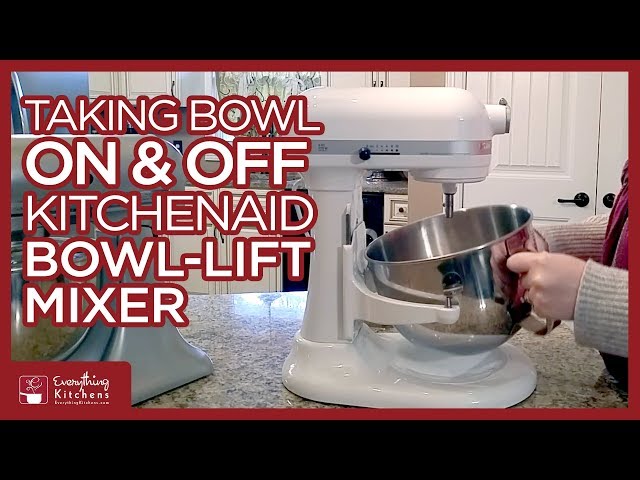
Image Source: i.ytimg.com
Why Might My KitchenAid Mixer Bowl Be Stuck?
Several factors can lead to a KitchenAid mixer bowl that’s difficult to remove. Often, it’s a combination of things rather than a single problem.
Common Culprits
- Food Residue Buildup: Over time, small bits of food, sugar, or flour can get lodged between the bowl and the mixer base. This gunk hardens and can create a strong bond, making it difficult to loosen.
- Warping or Damage: Extreme temperatures or accidental drops can sometimes cause minor warping of the bowl or the locking mechanism on the mixer base. Even a slight bend can prevent smooth detachment.
- Over-tightening: While you want a secure fit when mixing, consistently over-tightening the bowl can stress the locking mechanism and make it harder to release.
- Corrosion or Rust: In rare cases, especially with older models or if the mixer has been exposed to moisture, a bit of rust or corrosion can form on the metal parts, hindering movement.
- Misalignment: If the bowl isn’t seated perfectly when you lock it, the mechanism might not engage correctly, leading to a stuck bowl situation.
- Issues with the Bowl Release Lever: The KitchenAid bowl release lever is the key to unlocking. If this lever is stiff, bent, or obstructed, it can prevent the bowl from coming off.
Fathoming the KitchenAid Bowl Mechanism
The design of a KitchenAid mixer’s bowl attachment is ingenious in its simplicity, yet it’s this very design that can sometimes cause a stubborn bowl. Most KitchenAid tilt-head mixers utilize a locking ring at the base of the bowl that mates with a corresponding groove on the mixer’s stand.
How the Bowl Attaches
- Latching: The bowl has tabs or a rim that fit into a groove on the mixer’s base.
- Twisting: You then twist the bowl (usually counter-clockwise) to lock it securely into place. This action often engages the bowl release lever mechanism.
- Locking: A spring-loaded pin or latch within the base of the mixer pops into a detent or groove on the bowl’s rim, securing it.
- Unlocking: To remove the bowl, you typically press or pull the KitchenAid bowl release lever, which retracts this pin, allowing you to twist the bowl back (clockwise) and lift it off.
The Role of the Bowl Release Lever
The KitchenAid bowl release lever is crucial. When functioning correctly, it disengages the locking mechanism that holds the bowl firmly in place. If this lever is sticky, jammed, or doesn’t move freely, unlocking the bowl becomes impossible.
Simple Solutions for a KitchenAid Mixer Bowl Stuck
When faced with a KitchenAid mixer bowl won’t come off, don’t panic! Here are several effective strategies to try, starting with the gentlest.
1. The Gentle Twist and Wiggle
This is your first line of defense. Sometimes, the bowl just needs a little persuasion.
- Method:
- Grasp the bowl firmly with both hands.
- Try twisting it counter-clockwise with a bit more force than usual.
- While twisting, gently wiggle the bowl up and down or side to side.
- The slight movement can help break free minor food residue or misalignments.
2. Applying Heat
Heat can cause the metal bowl or plastic components to expand slightly, potentially loosening the grip.
- Method:
- Carefully pour hot (not boiling) water around the outside edge of the bowl where it meets the mixer base.
- Let it sit for a minute or two.
- Try to twist and remove the bowl again.
- Caution: Be careful not to get water into the mixer’s motor housing. Dry the outside of the bowl thoroughly before attempting to twist.
3. Applying Cold
Conversely, cold can cause contraction, which might also break the seal.
- Method:
- Place a bag of ice or a cold pack around the point where the bowl locks onto the mixer.
- Leave it for a few minutes.
- Try removing the bowl.
4. Lubrication for a Smooth Release
If food residue is the culprit, a little lubrication can work wonders.
- Method:
- Apply a small amount of food-grade lubricant, such as vegetable oil or a tiny bit of mineral oil, around the rim of the bowl where it connects to the mixer.
- Let it sit for 10-15 minutes to seep into any crevices.
- Wipe away excess oil.
- Try twisting the bowl off. You may need to repeat this process.
5. Cleaning the Connection Point
This is often the most effective method if food buildup is the primary issue.
- Method:
- Detaching mixer bowl: First, ensure the mixer is unplugged!
- Get a damp cloth, maybe with a little dish soap.
- Carefully try to clean around the seam where the bowl meets the mixer base. Use a toothbrush or a small, soft-bristled brush to get into tight spots.
- Focus on removing any visible food particles or sticky residue.
- If you have access to the locking mechanism itself (often visible when the bowl is slightly ajar), try to clean that area as well.
- Wipe dry and attempt removal.
6. Using a Rubber Grip or Mallet (With Extreme Caution)
For very stubborn bowls, you might need a little more leverage, but this requires great care to avoid damaging your mixer.
- Method with Rubber Grip:
- Place a rubber jar opener or a piece of rubber shelf liner around the bowl’s rim for extra grip.
- Try twisting with more force.
- Method with Rubber Mallet (Use Sparingly!):
- Important: Ensure the mixer is unplugged.
- Hold the bowl firmly.
- With a rubber mallet, give the side of the bowl a few firm but controlled taps. Do not hit the locking mechanism directly or with excessive force. The idea is to create vibration to loosen the bond.
- Try to twist the bowl off after tapping.
Dealing with Specific KitchenAid Models
While the core principles apply to most KitchenAid tilt-head mixers, some nuances might exist.
Stainless Steel Bowl Variations
Removing a stainless steel bowl is generally the same as other materials, but stainless steel can be more prone to scratching if you use abrasive cleaning methods. Always use soft cloths and non-abrasive cleaners. If you need a Kitchenaid bowl replacement, ensure you get the correct size and model for your mixer.
Older Models
Older KitchenAid mixers might have slightly different bowl mechanisms. If your KitchenAid mixer bowl won’t come off, and it’s an older model, the locking pin might be more susceptible to corrosion or wear. Thorough cleaning and perhaps a tiny bit of WD-40 (applied only to the mechanism, then wiped thoroughly) might be considered, but always with caution and ensuring no lubricant gets into the motor.
Troubleshooting the KitchenAid Bowl Release Lever
If the bowl itself twists but won’t detach, the issue might be with the release mechanism.
Checking the Lever’s Movement
- Inspect: With the mixer unplugged, try to locate the KitchenAid bowl release lever. It’s usually a small metal or plastic piece at the front of the mixer head, near the base of the stand.
- Test: Try to push or pull it. Does it move freely? Does it feel stuck or jammed?
- Clean Around the Lever: Food particles can easily get lodged around the lever. Use a small brush and a damp cloth to clean this area thoroughly. Sometimes, simply cleaning the lever’s housing can resolve the issue.
What if the Lever is Stuck?
If the lever is completely stuck and won’t budge, it might be a more significant mechanical issue.
- Gentle Persuasion: Try to gently wiggle the lever back and forth while simultaneously trying to twist the bowl.
- Lubrication: A tiny amount of penetrating oil (like WD-40) applied very carefully to the lever mechanism itself (avoiding the motor and paint) and allowed to sit might help free it. Wipe off any excess thoroughly.
- Professional Help: If the lever remains immobile, it might require professional servicing.
What If I Need a KitchenAid Bowl Replacement?
If, despite your best efforts, the bowl is damaged or you suspect it’s warped, you might need a KitchenAid bowl replacement.
Finding the Right Bowl
- Model Number: Always know your specific KitchenAid mixer’s model number. This is usually found on a sticker on the bottom of the mixer.
- Part Numbers: KitchenAid offers bowls in various sizes (e.g., 4.5 qt, 5 qt, 6 qt) and materials (stainless steel, glass, ceramic). Check online KitchenAid parts retailers or the official KitchenAid website.
- Compatibility: Ensure the replacement bowl is compatible with your mixer model.
When to Seek Professional Help
If you’ve tried all the above methods and your KitchenAid mixer bowl won’t come off, it might be time to contact KitchenAid support or a qualified appliance repair technician.
Signs You Need Professional Assistance
- Damaged Lever: The KitchenAid bowl release lever is bent, broken, or completely unresponsive.
- Visible Damage: The mixer base or the bowl itself shows significant signs of damage or warping that you cannot address.
- Unusual Noises: If you hear grinding or cracking sounds when attempting to remove the bowl, stop immediately to prevent further damage.
- Persistent Sticking: After multiple attempts with different methods, the bowl remains firmly attached, suggesting a mechanical failure.
Frequently Asked Questions (FAQ)
Here are some common questions about removing a stuck KitchenAid mixer bowl.
Q: Can I use cooking spray to loosen a stuck KitchenAid bowl?
A: While cooking spray might offer some lubrication, it can leave a sticky residue that attracts more dirt and gunk over time, potentially worsening the problem in the long run. It’s better to use food-grade vegetable oil or mineral oil.
Q: How do I remove the bowl from a KitchenAid stand mixer?
A: To remove the bowl, you typically need to unlock it by pressing or pulling the KitchenAid bowl release lever. Once unlocked, twist the bowl counter-clockwise and lift it off the stand.
Q: My KitchenAid mixer bowl is stuck. What’s the first thing I should try?
A: The first thing to try is a gentle twist and wiggle. If that doesn’t work, carefully try pouring hot water around the outside rim of the bowl.
Q: Is it safe to tap the bowl with a mallet?
A: Yes, but only with extreme caution. Use a rubber mallet, ensure the mixer is unplugged, and tap the sides of the bowl gently. Avoid hitting the locking mechanism directly.
Q: Where can I find a Kitchenaid bowl replacement?
A: You can find a Kitchenaid bowl replacement on the official KitchenAid website, through authorized appliance parts retailers online, or sometimes at larger department stores. Always confirm compatibility with your mixer model.
Q: My KitchenAid tilt head bowl removal is difficult. Is there a special trick?
A: For KitchenAid tilt head bowl removal, ensure you are pressing the bowl release lever correctly and twisting the bowl counter-clockwise. If it’s still stuck, cleaning around the connection point and the lever is the next best step.
Q: I can’t detach the mixer bowl. What if the Kitchenaid bowl mechanism is the problem?
A: If the Kitchenaid bowl mechanism seems to be the issue, inspect the bowl release lever and the locking points for debris or damage. Cleaning is often effective. If it seems like a mechanical failure within the mixer, professional help may be needed.
By following these steps, you should be able to successfully remove a stuck bowl from your KitchenAid mixer and get back to your baking adventures!