Does a foul odor emanate from your kitchen sink, turning what should be a pleasant cooking space into an unpleasant one? Getting rid of kitchen sink odor permanently requires understanding the source of the smell and employing consistent drain maintenance. Can you eliminate persistent drain smells with simple home remedies? Yes, with the right approach and regular upkeep, you can achieve a permanently fresh-smelling kitchen.
The lingering aroma of stale food and other unpleasantness from your kitchen drain can be incredibly off-putting. It’s a common problem, but thankfully, it’s one that can be tackled effectively. This comprehensive guide will walk you through the various causes of smelly drains and provide proven methods for elimination and prevention. We’ll cover everything from natural remedies to when you might need professional help.
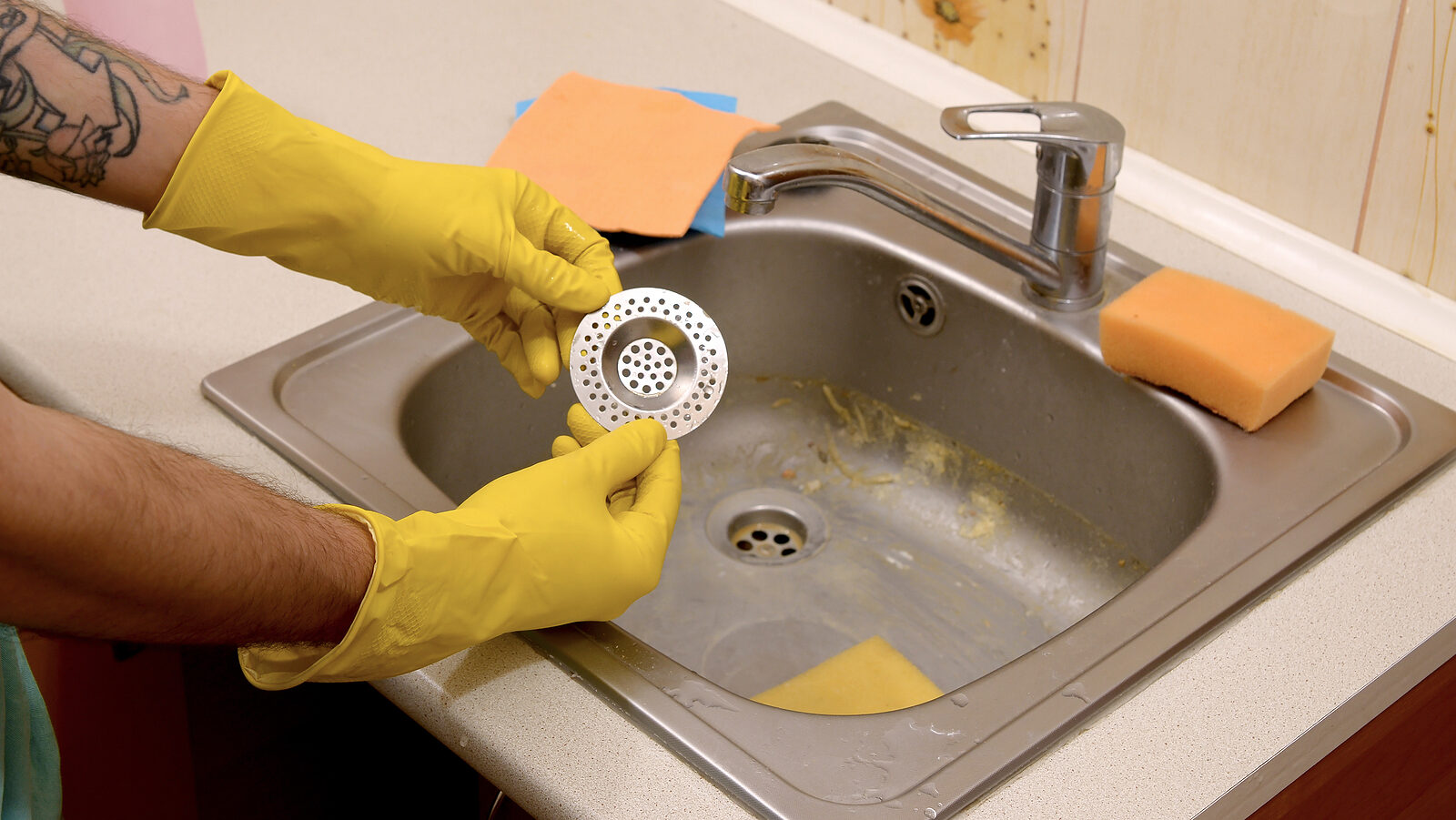
Image Source: blockbusters.co.uk
Fathoming the Sources of Smelly Drains
Before we can banish those unpleasant smells, we need to know what’s causing them. The most common culprits are buildup within the pipes and the garbage disposal.
The Grimy Truth: What Accumulates in Your Pipes?
Over time, various substances can adhere to the inside walls of your kitchen pipes. This buildup creates a perfect breeding ground for bacteria, which then release foul-smelling gases.
- Food Scraps: Even with a garbage disposal, small particles of food can get trapped. Fats, oils, and grease (FOG) are particularly problematic as they solidify and stick to pipe walls.
- Soap Scum: Soap, when mixed with hard water minerals, can create a sticky residue that traps food particles and grime.
- Hair and Debris: While less common in kitchen sinks than bathroom drains, hair can still find its way down and contribute to clogs and odors.
- Biofilm: This is a slimy layer of bacteria and other microorganisms that can form on any surface in contact with water. In drains, it feeds on organic matter and produces odors.
The Garbage Disposal Grit: A Smell Hotspot
Your garbage disposal, designed to break down food waste, can itself become a source of unpleasant smells if not properly maintained.
- Food Particles Lodged: Small pieces of food can get stuck in the disposal’s grinding chamber, under the rubber splash guard, or in the blades, and start to decompose.
- Grease and Oil Buildup: Similar to pipes, grease and oil can coat the inside of the disposal, trapping food and creating a rancid smell.
- Mold and Mildew: The moist environment inside a garbage disposal is ideal for mold and mildew growth, which can contribute to a musty or rotten odor.
Beyond the Drain: Other Potential Issues
Occasionally, the smell might not be directly from the drain itself but related to other plumbing issues.
- Dry P-Trap: The P-trap is the U-shaped pipe under your sink. It holds a small amount of water, creating a seal that prevents sewer gases from coming up into your home. If the sink hasn’t been used in a while, or if there’s a venting issue, the water in the trap can evaporate, allowing sewer gases to escape.
- Leaky Pipes: A slow leak under the sink or within the walls can create a damp environment where mold and bacteria can grow, leading to musty or rotten smells.
- Vent Pipe Problems: Your plumbing system has vent pipes that allow gases to escape safely outside. If these vents become blocked, gases can be forced back into your home through the drains.
Your Arsenal of Solutions: Tackling Kitchen Sink Odor
Now that we know what causes the stink, let’s explore the most effective ways to get rid of it. We’ll start with easy, natural solutions and move towards more intensive methods.
The Power Duo: Baking Soda and Vinegar Drain Treatment
This is a classic for a reason. The chemical reaction between baking soda (a base) and vinegar (an acid) can help break down grease and grime, and the fizzing action can dislodge debris.
How to Use Baking Soda and Vinegar:
- Pour Baking Soda: Start by pouring about half a cup to a full cup of baking soda directly down the drain. Try to get as much as possible to coat the sides of the pipe.
- Add Vinegar: Slowly pour an equal amount of white vinegar over the baking soda. You’ll immediately see a fizzing and bubbling reaction.
- Cover and Wait: Immediately cover the drain with a stopper or a damp cloth. Let the mixture sit for at least 30 minutes, or even an hour for tougher odors. The longer it sits, the more time it has to work.
- Rinse with Hot Water: After waiting, pour a kettle of boiling or very hot water down the drain. This helps to wash away the loosened debris and the baking soda/vinegar residue.
Why it works: Baking soda is a mild abrasive and deodorizer. Vinegar is acidic and can break down mineral deposits and grease. Together, they create a potent cleaning agent that is safe for most pipes and environmentally friendly.
Harnessing the Heat: Boiling Water Flush
Sometimes, the simplest solutions are the most effective. A regular flush with boiling water can help keep your pipes clear of grease and other buildup.
How to Perform a Boiling Water Flush:
- Boil Water: Fill a kettle or large pot with water and bring it to a rolling boil.
- Pour Slowly: Carefully and slowly pour the boiling water directly down the drain. Pour in stages, allowing a few seconds between each pour.
- Repeat if Necessary: For stubborn buildup, you might need to repeat this process a few times.
Why it works: Hot water melts solidified grease and oil, flushing them away. It also helps to kill some odor-causing bacteria. Be cautious when pouring boiling water to avoid burns and ensure your pipes can handle the heat – older or fragile pipes might be damaged.
The Natural Deodorizer: Lemon and Citrus Peels
Citrus fruits are known for their refreshing scent, and their peels can work wonders on drain smells.
How to Use Citrus Peels:
- Gather Peels: Save peels from lemons, oranges, or grapefruits.
- Grind Them: Run the peels through your garbage disposal.
- Flush: Follow up with a flush of cold water.
Why it works: The natural oils in citrus peels act as a natural degreaser and leave a pleasant, fresh scent that masks any lingering odors.
A Gentle Clean: Dish Soap and Hot Water
A good quality dish soap is designed to cut through grease, making it an excellent tool for drain cleaning.
How to Use Dish Soap:
- Squirt Soap: Squirt a generous amount of liquid dish soap (one with degreasing properties) down the drain.
- Follow with Hot Water: Immediately follow with a kettle of hot (not necessarily boiling) water.
- Let it Sit: Let the soapy water sit in the pipes for about 15-30 minutes.
- Rinse: Flush with more hot water.
Why it works: The dish soap breaks down grease and helps to lubricate the pipes, allowing buildup to be flushed away more easily.
Deeper Cleaning Methods for Stubborn Smells
If the simple remedies don’t quite cut it, you might need to employ slightly more intensive drain cleaning techniques.
The Importance of Drain Cleaning
Regular drain cleaning is key to preventing odors and more serious clogs. It’s not just about fixing a problem; it’s about maintenance.
Tools for Effective Drain Cleaning:
- Plunger: A good old-fashioned plunger can create suction to dislodge minor blockages. Ensure a good seal around the drain opening.
- Drain Snake (Auger): This flexible cable with a corkscrew end can be fed into the drain to physically break up or pull out clogs.
- Pipe Brush: A long, flexible brush can be used to scrub the inside walls of accessible pipes.
Using a Drain Snake:
- Insert the Snake: Feed the snake into the drain opening.
- Push and Turn: Gently push the snake further into the pipe while turning the handle. You’ll feel resistance when you hit a clog.
- Break or Retrieve: Continue to push and turn to break up the clog or hook onto it to pull it out.
- Clean and Flush: Once the clog is cleared, pull the snake out, clean it, and then flush the drain with hot water.
Addressing the Garbage Disposal Smell Directly
The garbage disposal often needs specific attention.
Deep Cleaning Your Garbage Disposal:
- Safety First: Always ensure the disposal is turned OFF at the switch before any cleaning.
- Ice Cubes: Run the disposal with a tray of ice cubes and cold water. The ice helps to scour the grinding chamber and loosen debris.
- Citrus: After the ice, run it with a few lemon or orange halves (peels and all) for a fresh scent.
- Vinegar Ice Cubes: For a more thorough clean, freeze vinegar in an ice cube tray and run those through the disposal.
- Scrub the Splash Guard: This rubber flap at the drain opening is a prime spot for grime. Use an old toothbrush or a small scrub brush with some dish soap or baking soda paste to clean it thoroughly.
Commercial Drain Cleaners: Use with Caution
While readily available, chemical drain cleaners can be harsh and damage pipes if used improperly or too frequently. They often contain strong chemicals that break down organic matter.
When to Consider Commercial Cleaners:
- For tough, persistent clogs that natural methods can’t clear.
- Always follow the manufacturer’s instructions precisely.
- Ensure good ventilation and wear gloves and eye protection.
- Never mix different chemical drain cleaners, as this can create dangerous fumes.
- Consider enzyme-based cleaners, which use natural enzymes to break down organic waste and are generally safer for pipes and the environment than caustic chemical cleaners.
Implementing a Robust Drain Maintenance Strategy
Prevention is always better than cure. Establishing good habits will save you from dealing with smelly drains in the future.
Daily Habits for a Fresh Kitchen
Small actions taken every day can make a big difference.
- Scrape Plates Thoroughly: Remove as much food debris as possible from plates before rinsing them in the sink.
- Avoid Pouring Grease Down the Drain: Never pour cooking oils, fats, or grease down the sink. Wipe them up with a paper towel and dispose of them in the trash, or collect them in a heat-safe container to dispose of once cooled.
- Run Cold Water with Garbage Disposal: Always run cold water when using your garbage disposal. Cold water helps solidify grease, allowing the disposal to chop it up and send it down the drain more easily. Let the water run for about 15-30 seconds after the disposal stops to ensure everything is flushed.
- Rinse After Use: After using the sink, give it a quick rinse with hot water to wash away any lingering particles.
Weekly Drain Freshener Routine
Dedicate a few minutes each week to proactive drain maintenance.
- Baking Soda and Vinegar Flush: Perform the baking soda and vinegar treatment weekly. This is an excellent preventative measure against buildup and odors.
- Hot Water Flush: A daily or every-other-day hot water flush can also help prevent grease from solidifying.
- Garbage Disposal Cleaning: Give your garbage disposal a quick clean with ice or citrus peels weekly.
Monthly Deep Clean and Inspection
Set aside time monthly for a more thorough approach.
- Drain Snake Check: Run a drain snake through your main kitchen drain line to clear out any minor accumulations you might not be aware of.
- Check Under the Sink: Look for any signs of leaks or moisture that could indicate a problem.
- Clean the Sink Strainer and Overflow: These can also harbor bacteria and smells.
Troubleshooting Persistent Plumbing Odors
If you’ve tried all these methods and the smell persists, it might be time to investigate further.
When to Call a Plumber
There are situations where DIY solutions are not enough, and professional help is required.
- Persistent Smells Despite Cleaning: If you’ve thoroughly cleaned your drains and garbage disposal and the smell remains, there could be a more significant issue.
- Slow Drains or Frequent Clogs: This indicates a more substantial blockage or a problem with the drain line itself.
- Gurgling Sounds: Gurgling from drains can be a sign of a venting problem or a partial blockage.
- Suspected Leaks: If you see water damage or suspect a leak, a plumber is essential.
- Sewer Gas Smells: A strong smell of rotten eggs or sewage could indicate a serious plumbing issue, like a break in the sewer line or a problem with your P-trap or vent system.
A plumber can use specialized equipment to diagnose and fix issues such as:
- Broken or Blocked Vent Pipes: This is crucial for proper drainage and preventing sewer gases from entering your home.
- Serious Pipe Blockages: They can access and clear blockages deep within your plumbing system.
- Damaged or Improperly Installed P-Traps: Ensuring the P-trap is functioning correctly is vital for preventing odors.
Choosing the Right Drain Freshener and Deodorizer
The market offers various products designed to combat drain smells. Understanding what to look for is key.
Natural vs. Chemical Drain Deodorizers
- Natural Options: These often rely on enzymes, probiotics, or essential oils to break down organic matter and neutralize odors. They are generally safer for pipes, septic systems, and the environment. Examples include enzyme-based drain cleaners and simple baking soda/vinegar mixtures.
- Chemical Cleaners: These use harsh chemicals like lye or sulfuric acid. They can be effective for tough clogs but pose risks if misused. They can corrode pipes over time and are harmful if they come into contact with skin or are inhaled.
What to Look For in a Drain Freshener
- Effectiveness: Does it actually eliminate odors or just mask them?
- Pipe Safety: Is it safe for your specific pipe material (PVC, metal, etc.)?
- Environmental Impact: Is it biodegradable?
- Ease of Use: How simple is the application process?
Products to Consider:
- Enzyme Drain Cleaners: These are excellent for regular maintenance. They contain bacteria or enzymes that digest organic waste, eliminating the source of odors. They are slow-acting but very effective for preventative care.
- Probiotic Drain Cleaners: Similar to enzyme cleaners, these use beneficial bacteria to break down waste.
- Activated Charcoal: While not a liquid cleaner, placing a small container of activated charcoal near the drain can help absorb odors from the air.
Frequently Asked Questions (FAQ)
Q1: How often should I clean my kitchen drain to prevent smells?
A1: For best results, perform a baking soda and vinegar flush weekly. A hot water flush can be done daily or every other day. Regular use of your garbage disposal with cold water and proper scraping of plates also contribute to prevention.
Q2: Can I pour bleach down my kitchen drain to get rid of smells?
A2: While bleach can kill bacteria, it’s generally not recommended for regular drain cleaning. It can damage certain pipe materials and is harmful if mixed with other chemicals or if its fumes are inhaled. It also doesn’t effectively break down grease or solid waste.
Q3: My garbage disposal still smells even after cleaning. What else can I do?
A3: Ensure you are cleaning the splash guard thoroughly. Also, try running the disposal with a few tablespoons of baking soda and a cup of vinegar, followed by a good flush of hot water. If the smell persists, there might be debris lodged deep within the disposal unit or a problem with the plumbing connected to it, which may require professional attention.
Q4: What is the best way to deal with a clogged drain that smells?
A4: Start with the baking soda and vinegar method. If that doesn’t work, try a drain snake. If the clog is severe or you’re uncomfortable using a snake, it’s best to call a plumber. Using harsh chemical drain cleaners on a clogged drain can sometimes make the problem worse or create a dangerous situation.
Q5: Are “drain fresheners” the same as “drain cleaners”?
A5: Not always. Drain cleaners are typically designed to remove clogs and dead organic matter. Drain fresheners and deodorizers are more focused on neutralizing or masking odors, often through enzymes, fragrances, or neutralizing agents. Some products combine both functions. For persistent smells, you need a cleaner that addresses the source of the odor, like an enzyme cleaner.
Q6: Why does my kitchen sink smell when it’s not clogged?
A6: Even without a full clog, a thin layer of biofilm can build up on the inside of your pipes. This biofilm consists of bacteria and organic matter that decompose, releasing unpleasant gases. Regular cleaning with baking soda and vinegar or enzyme cleaners is essential to prevent this. Also, check that the P-trap under your sink has water in it.
By implementing these cleaning techniques and preventative measures, you can bid farewell to those unwelcome kitchen sink odors and ensure your cooking space remains a fresh and inviting area of your home. Consistent drain maintenance is the key to permanent relief.