Is your lazy susan acting up? Yes, you can typically fix a lazy susan in a corner of your kitchen. Common issues like squeaking, binding, or uneven rotation can often be resolved with simple maintenance and repair. This guide will walk you through the steps to get your lazy susan spinning smoothly again, improving your kitchen storage solutions.
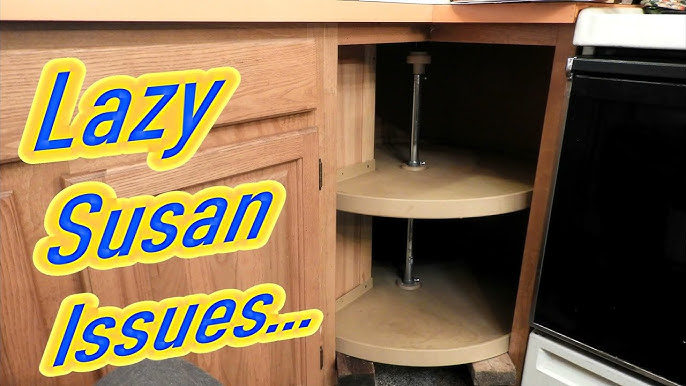
Image Source: i.ytimg.com
Revitalizing Your Corner Cabinet Storage
Corner cabinets, especially those equipped with lazy susans, are fantastic for maximizing space. They allow you to access items stored deep within the cabinet with ease. However, like any mechanical system, they can develop problems over time. Whether it’s a stubborn bind, an annoying squeak, or a wobbly rotation, there are solutions. This article will delve into common lazy susan issues and provide practical, step-by-step fixes to restore its functionality. We’ll cover everything from simple lubrication to more involved repairs like cabinet carousel repair and kitchen pull-out replacement if the entire unit needs attention.
Common Lazy Susan Problems and What They Mean
Before we dive into fixing, it’s helpful to know what might be wrong. Recognizing the symptoms can point you toward the correct solution.
- Squeaking: This is often the most common and irritating problem. It’s usually caused by dry or dirty bearings.
- Binding or Sticking: The shelf doesn’t rotate freely. This could be due to misalignment, debris, or worn-out parts.
- Wobbling: The shelf feels unstable when you spin it. This often points to loose mounting hardware or worn-out support components.
- Uneven Rotation: The shelf catches or slows down at certain points in its rotation. This can be caused by uneven weight distribution or internal mechanism issues.
- Sagging: The shelf appears to be drooping, making it hard to turn. This usually indicates a problem with the central support or mounting.
Tools You Might Need
Gathering the right tools before you start will make the process smoother.
- Screwdriver set (Phillips and flathead)
- Pliers
- Lubricant (silicone spray or white lithium grease are good choices)
- Cleaning rags or paper towels
- Mild soap and water
- Vacuum cleaner or brush attachment
- Gloves
- Measuring tape (if replacing parts)
- Safety glasses
- Wood glue (for minor wood repairs)
- Drill and drill bits (for more involved repairs)
Troubleshooting Common Lazy Susan Issues
Let’s tackle these problems one by one.
H3: The Squeaky Susan: A Simple Fix
A squeaky lazy susan is usually the easiest problem to solve. The noise comes from friction between the rotating parts.
H4: Lubrication Station: Bringing Back the Quiet
- Empty the Shelf: Remove all items from the lazy susan. This gives you clear access and prevents items from falling out during the repair.
- Locate the Bearings: Most lazy susans have bearings at the top and bottom, or along the edge of the rotating shelf. The most common type is a metal or plastic bearing race with ball bearings inside.
- Clean the Area: Use a dry rag to wipe away any dust or debris from the rotating mechanism and the shelf edges. A vacuum cleaner with a brush attachment can be helpful here.
- Apply Lubricant:
- Silicone Spray: This is ideal for plastic-on-plastic or plastic-on-metal contact. Spray a light, even coat onto the bearing surfaces.
- White Lithium Grease: This is a thicker lubricant suitable for metal-on-metal contact and offers longer-lasting lubrication. Apply a small amount directly to the bearing races.
- Important: Avoid using oil-based lubricants like WD-40 for lubrication, as they can attract dust and gunk up the mechanism, leading to future problems.
- Test and Reapply: Slowly rotate the shelf a few times to distribute the lubricant. If the squeak persists, apply a little more lubricant and repeat. Sometimes, multiple applications are needed.
H4: Addressing Worn-Out Bearings
If lubrication doesn’t stop the squeak, the bearings themselves might be worn out or damaged.
- Inspect the Bearings: Carefully examine the bearing races. Look for signs of wear, rust, or missing ball bearings.
- Replacement: If the bearings are damaged, they will need to be replaced. This might involve unscrewing the old bearing housing and installing a new one. You can find replacement lazy susan bearings at most hardware stores. Measure the diameter of your existing bearings and the screw hole pattern to ensure you get the correct size. This is a crucial part of cabinet carousel repair.
H3: When the Susan Sticks: Tackling Binding
A lazy susan that binds or sticks can be frustrating, especially when you need something from the back. This often points to alignment issues or obstructions.
H4: Checking for Obstructions and Misalignment
- Clear the Path: Ensure nothing is caught under the shelf or between the shelf and the cabinet walls. Small items, debris, or even the shelf’s own mounting can cause binding.
- Inspect Shelf Levelness: Is the shelf level? A slight tilt can cause one side to drag.
- Check the Central Pole (if applicable): Some lazy susans have a central pole that supports the shelf. Ensure this pole is straight and properly seated. If it’s bent, it will need to be straightened or replaced.
- Check Shelf Mounts: Look at where the shelf attaches to its base or support. Are the screws tight? Is the shelf itself warped?
- Evaluate Cabinet Alignment: Sometimes, the issue isn’t the lazy susan itself but the cabinet it’s in.
- Cabinet Door Interference: Make sure the cabinet doors aren’t rubbing against the rotating shelf when it’s turned. You might need to adjust the cabinet hinges. This is a common aspect of corner cabinet repair.
- Cabinet Structure: In rare cases, the cabinet’s internal structure might have shifted, causing it to interfere with the shelf’s rotation.
H4: Fixing Binding: Step-by-Step
- Tighten Mounting Hardware: Go around the lazy susan and ensure all visible screws holding the shelf to its support, and the support to the cabinet floor or ceiling, are snug. Don’t overtighten, as this can strip screws or damage the wood.
- Shim for Levelness: If the shelf is slightly tilted and you can’t otherwise adjust it, you might need to use thin shims (small pieces of wood or plastic) under the bearing or support on the lower side to level it out. This is a delicate rotating shelf maintenance task.
- Straighten or Replace Support: If a central support pole is bent, try to gently straighten it. If it’s too damaged, you’ll need to replace it. This might involve disassembling the entire lazy susan unit.
H3: The Wobbly Susan: Securing Stability
A wobbly lazy susan can feel unsafe and also contribute to binding or uneven rotation.
H4: Identifying the Source of Wobble
The wobble usually originates from loose connections or worn-out components.
- Loose Screws: The most common culprit. Check all screws holding the lazy susan components together and to the cabinet.
- Worn Bearings: If the bearings are very worn, they can create play, leading to wobbling.
- Damaged Support Structure: If the central pole or the shelf itself is cracked or broken, it will cause instability.
H4: Securing a Loose Lazy Susan
- Tighten All Fasteners: As mentioned, this is the first and most important step. Work your way around the entire assembly.
- Replace Worn Bearings: If tightening screws doesn’t resolve the wobble, and you suspect the bearings are the issue, replace them. Refer to the lubrication section for bearing inspection and replacement tips.
- Reinforce Mounting Points: If the cabinet material where the lazy susan is mounted is soft or damaged (e.g., particleboard that’s started to crumble), the screws won’t hold well.
- Larger Screws: Try using slightly larger screws, but ensure they don’t pierce through the cabinet.
- Wood Inserts: For stripped screw holes, you can use wood filler or dowels. Drill out the old hole, insert a wooden dowel with wood glue, let it dry, and then re-drill a pilot hole for the screw. This is a common corner pantry fix if the pantry shelves are built into the cabinet structure.
- Reinforcement Plates: For very heavy-duty repairs or when dealing with particleboard, consider using small metal plates to reinforce the mounting points.
H3: The Uneven Spinner: Smoothing Out Rotation
An uneven rotation often results from a combination of the issues above, particularly misalignment, uneven weight, or bearing problems.
H4: Diagnosing Uneven Rotation
- Weight Distribution: Is the weight on your lazy susan evenly distributed? If one side is much heavier, it can cause the shelf to tilt and rotate unevenly. Rearrange items to balance the load.
- Check for Warping: Inspect the shelf itself. If it’s warped, it will not sit level on its bearings, causing uneven rotation.
- Bearing Quality: Low-quality or worn bearings are a prime suspect for uneven rotation.
H4: Restoring Smooth Rotation
- Balance the Load: This is the simplest fix. Experiment with rearranging your items.
- Repair or Replace Warped Shelves: If a shelf is warped, you might be able to gently try to flatten it by placing it on a flat surface with weight on top overnight, but this is often temporary. If it’s significantly warped, replacement is the best solution.
- Ensure Proper Bearing Function: Clean and lubricate the bearings. If the problem persists, replace any suspect bearings.
H3: The Sagging Shelf: Supporting the Load
A sagging lazy susan is a sign that the support mechanism is failing or overloaded.
H4: Identifying Sagging Causes
- Overloading: The most common reason for a sagging shelf is exceeding its weight limit.
- Weak Support: The central pole or bearing system might not be strong enough for the items you store.
- Damaged Support: The central support might be bent, cracked, or have loose connections.
H4: Reinforcing a Sagging Shelf
- Reduce the Load: Temporarily remove items to see if the shelf returns to its level position. If it does, you need to be mindful of the weight capacity.
- Check and Tighten Support Connections: Ensure the central pole is securely attached at both the top and bottom.
- Reinforce the Central Pole: If the pole itself seems weak, you might be able to add a reinforcing bracket or sleeve to it, though this can be tricky.
- Consider a Heavy-Duty Replacement: If your lazy susan is consistently sagging, it might be time for a kitchen pull-out replacement with a more robust model designed for heavier loads. Look for lazy susans with sturdier central supports and higher weight ratings. This is also a key consideration when looking for new kitchen storage solutions.
Advanced Lazy Susan Repair and Replacement
Sometimes, the issues are too significant for simple fixes, or you might simply want an upgrade.
H3: When to Consider Kitchen Pull-Out Replacement
There are several indicators that it might be time to replace your entire lazy susan unit:
- Persistent Binding or Wobbling: If you’ve tried all the repair steps and the unit still doesn’t function correctly, replacement is often the most practical solution.
- Damaged or Cracked Shelves: If the shelves themselves are warped, cracked, or splintered, they are unsafe and need replacement.
- Worn-Out Mechanism: If the bearing system is severely worn, rusted, or broken, a full replacement is usually more cost-effective than trying to source individual parts for an older unit.
- Desire for an Upgrade: Newer lazy susan systems offer improved functionality, such as smoother operation, higher weight capacity, and better ease of cleaning.
H4: Steps for Kitchen Pull-Out Replacement
- Measure Carefully: Before buying a new unit, measure the interior dimensions of your corner cabinet: height, width, and depth. Note the diameter of your current lazy susan.
- Choose a New Unit: Select a replacement lazy susan that fits your cabinet and meets your needs for capacity and durability. There are various types, including single-tier, multi-tier, and even those with telescoping poles for adjustable height.
- Remove the Old Unit:
- Empty the cabinet completely.
- Identify and unscrew all mounting points for the old lazy susan. This usually involves screws attaching the shelf mechanism to the cabinet floor and sometimes to the ceiling.
- Carefully lift the old unit out.
- Install the New Unit:
- Follow the manufacturer’s instructions provided with the new lazy susan.
- Typically, this involves attaching the base or lower bearing to the cabinet floor using the provided screws. Ensure it’s centered.
- Assemble the shelves onto the central pole or support system.
- If the unit attaches to the cabinet ceiling, do this last. Again, ensure everything is level and secure.
- Test the rotation by spinning it slowly.
H3: Corner Cabinet Repair Beyond the Susan
While this guide focuses on the lazy susan, sometimes the cabinet itself needs attention. Issues like worn hinges on the cabinet doors, damaged shelf supports within the cabinet, or even structural damage to the cabinet box can impact the lazy susan’s performance. Addressing these broader corner cabinet repair needs will ensure your lazy susan functions optimally in a sound structure.
H3: Sliding Shelf Troubleshooting Tips
Some modern kitchen storage solutions utilize sliding shelves within corner units instead of traditional lazy susans. If you have these, sliding shelf troubleshooting involves:
- Checking Drawer Slides: Ensure the tracks the shelves slide on are clean, lubricated, and properly aligned.
- Identifying Obstructions: Just like lazy susans, obstructions can prevent sliding.
- Tightening Fasteners: Loose screws on the slides or the shelves themselves can cause them to wobble or stick.
Maintaining Your Lazy Susan for Longevity
Regular maintenance is key to preventing common issues and extending the life of your lazy susan.
H4: Routine Rotating Shelf Maintenance
- Regular Cleaning: Wipe down the shelves and the rotating mechanism every few months to remove dust and spills.
- Periodic Lubrication: Reapply lubricant to the bearings as needed, especially if you start to hear any squeaking. This is a simple lazy susan squeak fix that can prevent bigger problems.
- Weight Management: Be mindful of how much weight you place on the shelves. Avoid overloading, which can stress the components and lead to sagging or binding.
Table: Common Lazy Susan Problems and Solutions
| Problem | Likely Cause | Solution |
|---|---|---|
| Squeaking | Dry or dirty bearings | Clean and lubricate bearings; replace if worn. |
| Binding/Sticking | Obstructions, misalignment, bent support | Remove obstructions, tighten screws, check for warping, straighten or replace support. |
| Wobbling | Loose mounting hardware, worn bearings | Tighten all screws, replace worn bearings. |
| Uneven Rotation | Unbalanced load, warped shelf, bad bearings | Rearrange items, check shelf for warping, lubricate/replace bearings. |
| Sagging | Overloading, weak support, damaged support | Reduce load, tighten support connections, consider heavy-duty replacement. |
Frequently Asked Questions (FAQ)
Q1: How often should I lubricate my lazy susan?
A1: It’s a good idea to lubricate your lazy susan every 6-12 months, or whenever you notice it starting to squeak or feel stiff.
Q2: Can I replace just the lazy susan shelf if it’s damaged?
A2: Yes, in many cases you can find replacement shelves if the mounting mechanism is still in good condition. Measure your existing shelf and the mounting holes to ensure compatibility.
Q3: What kind of lubricant is best for a lazy susan?
A3: Silicone spray or white lithium grease are generally recommended as they provide good lubrication without attracting excessive dust.
Q4: My lazy susan is really stuck. What should I do?
A4: First, try to remove all items from the shelf to reduce any potential binding from weight. Then, check for obvious obstructions. If it’s still stuck, you may need to gently try to lift the shelf while rotating it to see if you can free it. If it’s severely bound, it might require partial disassembly to identify the cause.
Q5: Is it difficult to install a new lazy susan?
A5: Installing a new lazy susan is usually a straightforward DIY project. The main challenges involve measuring accurately and ensuring the new unit is properly centered and securely fastened.
By following these guidelines, you can effectively troubleshoot and repair your lazy susan, keeping your corner cabinets functional and your kitchen organized.