What is a canopy for an outdoor kitchen? It’s a roof-like structure that provides shelter and shade over your outdoor cooking and dining area. Can I put a canopy over my outdoor kitchen? Yes, absolutely! It’s a fantastic way to enhance comfort, functionality, and protection for your alfresco culinary adventures.
An outdoor kitchen is a dream for many, bringing the joy of cooking and entertaining into the fresh air. But to truly make it a success, you need the right outdoor kitchen structure. The unsung hero of this setup? A well-chosen canopy. This guide will walk you through everything you need to know to select the perfect kitchen cover ideas to transform your backyard into a functional and inviting outdoor living space.
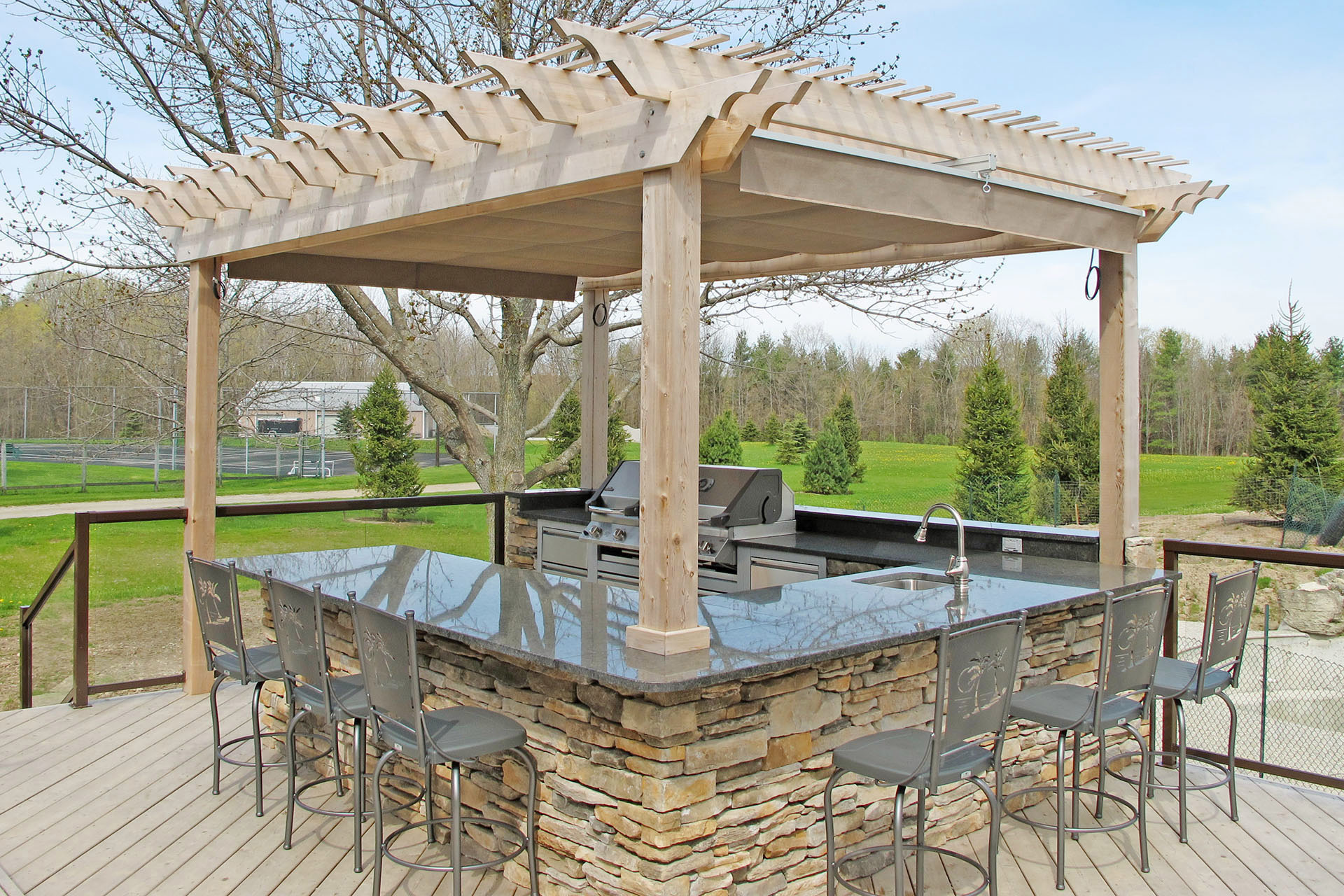
Image Source: shadefx.com
Why a Canopy is Crucial for Your Outdoor Kitchen
Having a dedicated covered outdoor kitchen isn’t just about aesthetics; it’s about practicality. Think about it: rain showers can abruptly end a barbecue, intense sun can make cooking uncomfortable, and falling leaves or debris can land right in your food. A canopy solves these problems and more.
Key Benefits of a Kitchen Canopy
- Weather Protection: This is the most obvious advantage. A canopy shields your cooking equipment, your guests, and yourself from sun, rain, and even light snow. This means you can enjoy your outdoor kitchen more often, regardless of the weather.
- Enhanced Comfort: Direct sunlight can be intense and make the cooking area feel like an oven. A canopy provides welcome shade, making it a much more pleasant experience to cook and dine outdoors.
- Equipment Longevity: Your outdoor kitchen appliances, such as grills, refrigerators, and countertops, are exposed to the elements. A canopy helps protect them from UV rays, moisture, and dirt, extending their lifespan and reducing maintenance.
- Defined Space: A canopy helps to visually define the outdoor kitchen area, separating it from the rest of your yard and creating a more intimate and purposeful space.
- Ambiance and Style: The right canopy can significantly elevate the look and feel of your outdoor kitchen, adding a touch of style and creating a cozy atmosphere.
- Pest Deterrence: While not a complete barrier, a canopy can offer some protection against falling insects and debris, keeping your cooking area cleaner.
Exploring Different Types of Canopies for Outdoor Kitchens
When you’re looking for a patio kitchen shelter, you’ll find a variety of options, each with its own pros and cons. The best choice for you will depend on your budget, aesthetic preferences, the existing structure of your home, and the level of protection you need.
H3: Pergolas for Outdoor Kitchens
A pergola for outdoor kitchen setups offers a blend of style and partial shade. Pergolas are typically open structures with a slatted roof.
- Pros:
- Aesthetic Appeal: Pergolas add architectural interest and a sense of elegance to any outdoor space.
- Partial Shade: They provide dappled shade, which is pleasant on sunny days without completely blocking natural light.
- Versatility: Can be used with or without retractable canopies or climbing plants to increase shade.
- Airflow: The open design allows for good air circulation.
- Cons:
- Limited Weather Protection: They don’t offer full protection from rain or strong sun. You might need to add a canopy or cover.
- Requires Support: Often needs to be attached to a house or supported by posts, which can influence placement.
H3: Kitchen Awnings
A kitchen awning is usually a fabric or metal canopy that extends from your house. They are a popular choice for providing shade and a bit of rain protection.
- Pros:
- Cost-Effective: Often more affordable than other permanent structures.
- Easy Installation: Can be easier and quicker to install.
- Retractable Options: Many awnings are retractable, allowing you to control shade and light as needed.
- Lightweight: Don’t usually require extensive structural support.
- Cons:
- Limited Durability: Fabric awnings can be susceptible to damage from strong winds or heavy snow.
- Less Permanent: May not provide the robust protection of a solid roof.
- Aesthetic Limitations: While stylish options exist, they might not offer the grand architectural statement of a pergola or pavilion.
H3: Gazebos and Kitchen Pavilions
A kitchen pavilion is a freestanding, roofed structure that provides excellent shelter. Gazebos are a similar concept, often octagonal or hexagonal in shape.
- Pros:
- Full Weather Protection: Offers comprehensive shelter from sun and rain.
- Freestanding: Can be placed anywhere in your yard, offering flexibility in kitchen design.
- Sturdy Construction: Usually built with more robust materials for greater durability.
- Ample Space: Provides a significant covered area for cooking and dining.
- Cons:
- Higher Cost: Generally more expensive due to their size and construction.
- Permanent Fixture: Requires a more significant commitment to installation and placement.
- Can Block Views: Depending on placement, a larger pavilion might obstruct backyard views.
H3: Retractable Canopies and Shade Sails
These offer flexibility. Retractable canopies are often fabric structures attached to a frame that can be extended or retracted. Shade sails are large pieces of fabric stretched between anchor points.
- Pros:
- Adjustable Shade: Perfect for controlling the amount of sun and shade throughout the day.
- Modern Look: Shade sails, in particular, offer a contemporary aesthetic.
- Temporary Options: Some are designed for easier setup and takedown.
- Cons:
- Less Durable in Harsh Weather: May not withstand strong winds or heavy precipitation.
- Can Be Labor-Intensive: Retracting and extending canopies, or setting up sails, requires manual effort.
- Limited Structural Support: They typically don’t offer the same level of built-in structural integrity as a permanent roof.
H3: Solid Roof Structures (Custom Built)
These are often built like an extension of your home, with a solid roof providing the ultimate protection. This could be a lean-to structure or a standalone covered patio.
- Pros:
- Maximum Protection: Offers the best defense against all types of weather.
- Durability: Built to last and withstand the elements.
- Increased Home Value: Can be a significant upgrade to your property.
- Customizable: Can be designed to perfectly match your home’s architecture and your kitchen’s needs.
- Cons:
- Highest Cost: This is typically the most expensive option.
- Complex Installation: Requires professional design and construction.
- Permanent: Less flexibility for future changes.
Factors to Consider When Choosing Your Kitchen Canopy
Selecting the right kitchen shade structure involves more than just picking a pretty design. You need to think about practicalities.
H4: Size and Scale
- Measure your outdoor kitchen area: Ensure the canopy provides adequate coverage for your grill, prep surfaces, and seating.
- Consider traffic flow: Leave enough space for people to move around comfortably.
- Match to your home: The scale of the canopy should complement the size and style of your house and yard.
H4: Material and Durability
- Roofing Material: Common options include metal (aluminum, steel, copper), polycarbonate, fabric (vinyl, canvas), wood, or composite materials.
- Metal: Durable, weather-resistant, but can be noisy in rain and may conduct heat.
- Polycarbonate: Lightweight, allows light through, good impact resistance, but can scratch.
- Fabric: Offers a softer look, good shade, but requires regular cleaning and replacement.
- Wood: Natural aesthetic, but requires sealing and maintenance to prevent rot and insect damage.
- Frame Material: Aluminum, steel, wood, and vinyl are common.
- Aluminum/Steel: Strong, weather-resistant, low maintenance.
- Wood: Attractive, but needs regular treatment.
- Vinyl: Durable, weather-resistant, low maintenance.
H4: Style and Aesthetics
Your outdoor dining roof should enhance your backyard’s look. Consider:
- Architectural Style: Does it match your home’s design (modern, traditional, rustic)?
- Color Palette: Complement your existing outdoor furniture and home exterior.
- Integration: Will it look like a natural extension of your home or a standalone feature?
H4: Installation and Permitting
- DIY vs. Professional: Some simpler structures can be installed by a homeowner, while others, especially larger or more permanent ones, require professional installation.
- Building Codes: Check local building codes and homeowner association rules. You may need a permit for structures like pergolas or pavilions.
H4: Budget
Canopies range from a few hundred dollars for a basic fabric awning to several thousand for a custom-built pavilion. Determine your budget early on.
H4: Maintenance Requirements
- Material: Some materials, like aluminum or vinyl, are low maintenance. Wood requires regular sealing and staining. Fabric needs cleaning and occasional replacement.
- Cleaning: How easy is it to clean the roof and frame?
Designing Your Covered Outdoor Kitchen
Beyond the canopy itself, think about how it integrates with the overall backyard kitchen enclosure.
H5: Lighting
- Ambient Lighting: String lights, lanterns, or recessed fixtures can create a warm atmosphere.
- Task Lighting: Spotlights over the grill or prep areas are essential for cooking safely at night.
- Safety Lighting: Ensure pathways and steps are well-lit.
H5: Fans and Heating
- Ceiling Fans: Can help with air circulation and cooling on hot days.
- Infrared Heaters: Extend the usability of your outdoor kitchen into cooler evenings.
H5: Enclosure Options
- Screens: Bug screens can protect from insects.
- Windbreaks: Solid panels or curtains can offer protection from wind.
- Outdoor Curtains: Add privacy and can be adjusted for weather.
H5: Flooring
- Durability: Choose materials that can withstand heat, moisture, and foot traffic, such as pavers, concrete, tiles, or treated wood decking.
- Safety: Ensure the flooring is slip-resistant.
Popular Canopy Styles and Their Applications
Let’s look at how different canopy types fit into specific kitchen cover ideas.
H4: The Pergola with a Retractable Canopy
- Concept: A classic pergola structure with a fabric canopy that can be pulled back on sunny days or extended for rain protection.
- Pros: Offers the architectural beauty of a pergola with the added flexibility of adjustable shade.
- Best for: Those who love the open-air feel but want an option for complete coverage when needed.
H4: The Freestanding Pavilion
- Concept: A fully roofed, standalone structure often featuring built-in seating or serving areas.
- Pros: Creates a complete outdoor room, offering excellent shelter and a sense of destination.
- Best for: Larger backyards, creating a dedicated entertainment hub separate from the main house.
H4: The Awning-Covered Kitchen Nook
- Concept: A simple awning attached to the house, creating a shaded zone directly outside the kitchen door.
- Pros: Cost-effective, easy to install, and provides immediate shade and rain protection where it’s most needed.
- Best for: Smaller outdoor kitchens, or those looking for a budget-friendly solution.
H4: The Modern Shade Sail Kitchen
- Concept: Sleek, tensioned fabric sails providing a contemporary look over a minimalist outdoor kitchen setup.
- Pros: Adds a stylish, artistic element and offers adjustable shade.
- Best for: Modern homes and individuals who prioritize cutting-edge design.
H4: The Fully Enclosed Kitchen Pavilion
- Concept: A pavilion with solid walls or retractable screens for complete enclosure.
- Pros: Offers the ultimate protection from weather and insects, creating a true indoor-outdoor transition.
- Best for: Extreme climates or those who want to use their outdoor kitchen year-round.
Maintenance Tips for Your Outdoor Kitchen Canopy
To ensure your canopy lasts for years, regular maintenance is key.
H5: Regular Cleaning
- Sweep debris: Remove leaves, twigs, and dirt from the roof surface regularly.
- Wash the roof: Use mild soap and water. For fabric, follow manufacturer’s cleaning instructions.
- Clean the frame: Wipe down posts and supports to prevent dirt buildup.
H5: Inspect for Damage
- Check for tears or holes: Especially in fabric canopies.
- Look for loose fittings: Ensure all bolts and screws are tight.
- Inspect for rust or corrosion: Treat any signs promptly.
H5: Weather Preparedness
- Retract or remove: In areas prone to high winds or heavy snowfall, retract fabric canopies or consider removing them entirely to prevent damage.
- Clear snow: If snow accumulates on a solid roof, clear it to prevent structural strain.
H5: Seasonal Treatments
- Wood: Re-stain or re-seal wooden pergolas and frames annually or as needed to protect them from the elements.
- Fabric: Consider applying a water-repellent spray to fabric canopies periodically.
FAQs About Outdoor Kitchen Canopies
Here are some common questions people ask about canopies for outdoor kitchens:
Q1: Do I need a permit for an outdoor kitchen canopy?
A1: It depends on your local building codes and the type and size of the canopy. Many jurisdictions require permits for structures that are attached to the house or have a fixed foundation, especially if they are over a certain size. Always check with your local building department before starting any construction.
Q2: Can I install a canopy myself, or should I hire a professional?
A2: Simple fabric awnings or small shade structures can often be installed by a DIY enthusiast. However, for larger, more complex structures like pergolas or pavilions, especially those that require anchoring into the ground or attaching to your home’s foundation, professional installation is highly recommended to ensure safety and structural integrity.
Q3: What’s the difference between a pergola and a pavilion for an outdoor kitchen?
A3: A pergola typically has an open, slatted roof that provides dappled shade, while a pavilion is a fully roofed structure that offers complete protection from sun and rain. Pavilions are generally more substantial and can act as a complete outdoor room.
Q4: How much does a canopy for an outdoor kitchen typically cost?
A4: Costs vary widely based on size, materials, complexity, and whether you DIY or hire a professional. Basic fabric awnings might start around $300-$1,000. Pergolas can range from $2,000 to $10,000+, and custom-built pavilions can cost $5,000 to $20,000 or more.
Q5: How do I choose the right material for my canopy roof?
A5: Consider your climate and aesthetic preferences. Metal roofs are durable but can be noisy in rain. Polycarbonate lets in light but can scratch. Fabric offers a softer look but requires more maintenance. Solid wood or composite materials offer a natural look but need regular upkeep.
Q6: Can I use my outdoor kitchen under a canopy during winter?
A6: With a solid, enclosed roof and possibly some heating elements, you can extend the use of your outdoor kitchen into cooler months. However, fabric canopies may not offer sufficient protection against snow load or extreme cold. Always check the manufacturer’s recommendations for your specific canopy’s winter capabilities.
By carefully considering these factors, you can select and install a canopy that not only protects your outdoor kitchen but also enhances its usability, style, and your overall enjoyment of alfresco living.