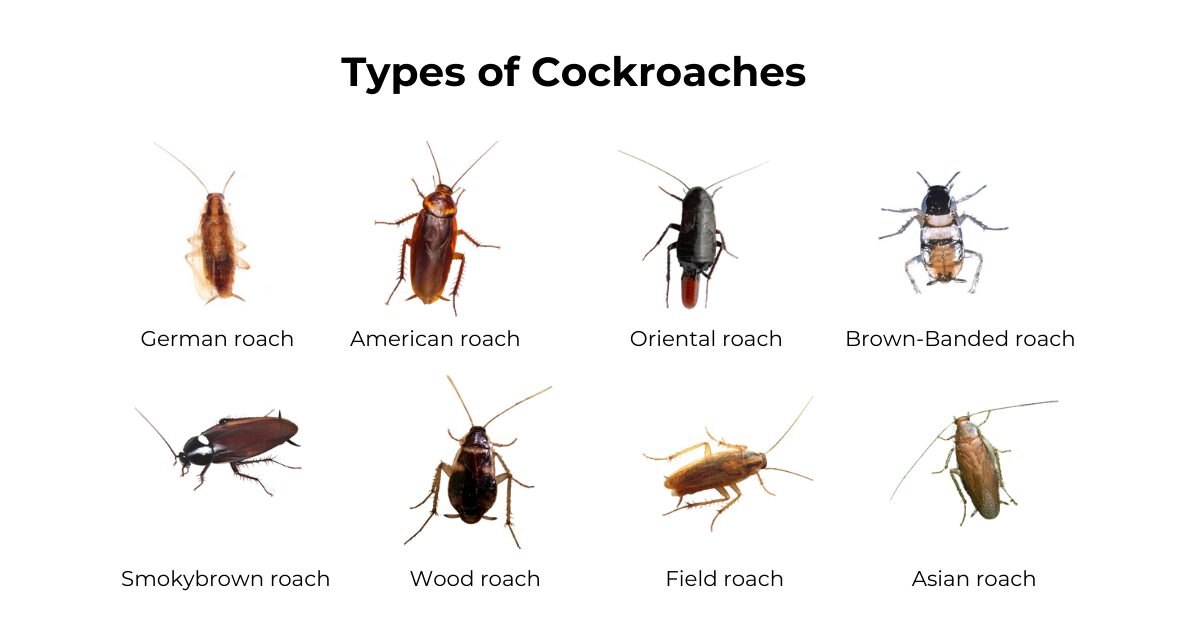
Image Source: smithspestmanagement.com
Why Do I Have Cockroaches In My Kitchen? 5 Reasons
You have cockroaches in your kitchen because they are looking for three basic things: food, water, and shelter. Your kitchen is a perfect place for them to find all three easily. They get in through small cracks or even come in with things you bring home. This post will look at five main reasons why these pests are in your kitchen and what you can do about it.
Deciphering the Allure of Your Kitchen
Cockroaches are survival experts. They have been on Earth for millions of years. They can live in many different places, but they really like warm, humid spots close to things they need to live. Your kitchen often has just what they want. It gives them everything they need to eat, drink, hide, and make more roaches. Knowing what pulls them in is the first step to getting rid of them.
Food Sources Attracting Roaches
One of the biggest reasons roaches come into your kitchen is for food. They are not picky eaters. They will eat almost anything. This includes food made for people, food made for pets, and even things you might not think of as food. If there are crumbs on the floor, spills on the counter, or grease on the stove, roaches will find it. Dirty dishes left in the sink overnight are like a feast for them. Open food packages or food left out on the counter can also bring them in. Even small bits of food are enough for them to survive.
- Crumbs and Spills: Tiny bits of bread, sugar, or drinks on the floor or counter are easy meals.
- Grease and Grime: Grease build-up on the stove, range hood, or nearby walls is very tasty to roaches.
- Dirty Dishes: Plates, pots, and pans with food bits left on them are a strong pull.
- Garbage Cans: Open trash cans or ones that are not emptied often give roaches easy access to thrown-away food. Food scraps in the bin are a big problem.
- Pet Food: Pet food bowls left out, or spilled kibble, are also food sources attracting roaches.
- Open Food Items: Cereals, crackers, or other dry goods not stored in sealed boxes or containers.
- Drain Build-up: Food bits and grease that go down the sink drain can also be food for roaches living in the pipes.
Roaches can go for a long time without food. But if there is food, they will come and stay. Keeping your kitchen very clean and removing all these food sources attracting roaches is key. This makes your kitchen much less welcoming to them.
Water Leaks Kitchen Pests Seek
Water is just as important as food for roaches. Some roaches can live for weeks without food, but only days without water. Your kitchen is often full of places where they can find water easily. Even small amounts of water are enough. A leaky faucet, a dripping pipe under the sink, or even condensation can give them the water they need.
Look for these water sources:
- Leaky Faucets: A slow drip from a sink faucet.
- Leaky Pipes: Pipes under the sink or behind the dishwasher that drip.
- Sweating Pipes: Pipes that have condensation (water drops) on the outside.
- Sink Drains: Water that stays in the drain or build-up around the drain.
- Refrigerator Drip Pans: The pan under or behind the fridge where water collects.
- ** condensation:** Water that forms on windows, walls, or cold pipes, especially in humid air.
Fixing even small water leaks kitchen pests use is very important. Check under your sink, behind your fridge, and around your dishwasher often. Make sure there are no puddles or wet spots. Drying up wet areas, like around the sink after doing dishes, also helps. Taking away their water source can make them leave to find water somewhere else.
How Roaches Find Their Way In
Cockroaches are very flat. They can squeeze through tiny spaces you might not even notice. They don’t need a big hole to get into your kitchen. They can get in through cracks in the walls, gaps around pipes, or even under doors. Knowing how they enter helps you stop them. These are entry points for cockroaches.
Entry Points for Cockroaches
Roaches use many different ways to get inside your home and specifically into your kitchen. Some entry points for cockroaches are obvious, others are not.
- Cracks and Gaps: Small cracks in the foundation, walls, or around windows and doors are easy ways in. Gaps where pipes or wires enter the house are also common entry points.
- Under Doors: If there is a gap under your kitchen door, roaches can walk right in, especially at night.
- Open Windows: Windows without screens, or with torn screens, let roaches fly or crawl in.
- Vents: Exhaust vents or other vents leading outside can be entry points if not properly screened or sealed.
- Pipes and Drains: Roaches can travel through plumbing. They can come up through drains or enter around pipes where they go into the wall.
- Bringing Them Inside: This is a very common way for German cockroaches kitchen infestations start. Roaches or their egg cases can hide in:
- Grocery bags
- Cardboard boxes (especially delivered ones)
- Used appliances or furniture
- Luggage (if you have traveled)
Thinking about how things come into your home can help you be more careful. Checking items before you bring them inside, especially if they have been stored in places where pests might be, is a good idea. Sealing up cracks and gaps around your home is also a big step in closing off entry points for cockroaches.
Neighboring Apartment Pests
If you live in an apartment building or a home that is attached to others, roaches can easily come from your neighbors. If a neighbor has a lot of roaches, those roaches might travel through walls using shared pipes, vents, or cracks. They might move to your place looking for food or water if your neighbor starts trying to get rid of them. This is a common problem with neighboring apartment pests.
Living close to others means you might have pest issues even if you keep your place very clean. Roaches don’t respect walls between apartments. They can move between units easily, using the gaps around pipes under sinks or going through electrical outlets. If you suspect neighboring apartment pests are the cause, you may need to talk to your building manager or landlord. Solving the problem often needs action across several apartments at once.
Where Roaches Hide Away
Once roaches get inside, they look for places to hide. They want dark, quiet spots where they feel safe during the day. They are mostly active at night when you are not around. Knowing their favorite cockroach hiding places helps you find them and target treatments.
Cockroach Hiding Places
Roaches like warm, humid, and dark areas. They hide close to food and water sources. In the kitchen, there are many such spots.
Common cockroach hiding places in a kitchen include:
- Behind Appliances: The space behind the refrigerator, stove, or dishwasher is often warm, dark, and close to food scraps and water sources.
- In Cracks and Crevices: Roaches can flatten their bodies and hide in very thin cracks in walls, floors, or cabinets.
- Inside Cabinets and Drawers: Especially in the back corners, or where there is clutter.
- Under Sinks: This area is often dark and might have moisture from pipes, making it a prime spot.
- Behind Baseboards and Trim: Gaps behind baseboards provide hidden pathways.
- Under Wallpaper or Loose Tiles: Roaches can hide in the spaces behind them.
- In Small Appliances: Toasters, microwaves, or coffee makers can offer warm, dark hiding spots, especially when not used often.
- In Electronics: The warmth inside electronic devices like clocks, radios, or even the backs of appliances can attract them.
- Behind Outlet Covers and Light Switches: Roaches can hide in the wall voids behind these covers.
If you see roaches during the day, it often means you have a lot of them. A few roaches might hide well and only come out at night. But a large group will start needing more space and may be seen even when it’s light. Checking these hiding places is important when looking for signs of a problem.
Spotting the Signs of Infestation
Sometimes you might not see the roaches themselves, but they leave clues that they are there. Knowing the signs of cockroach infestation helps you know you have a problem and how big it might be. Don’t wait until you see roaches running around in daylight. Look for these signs.
Signs of Cockroach Infestation
Finding even one roach is a bad sign. But finding other things they leave behind is a sure sign you have guests you didn’t invite.
Look for these signs of cockroach infestation:
- Droppings: Cockroach droppings look like small black pepper flakes or coffee grounds. You might find them in cabinets, drawers, along baseboards, or on counters. For larger roaches, the droppings might be larger, like tiny pellets.
- Smear Marks: If roaches have been crawling over surfaces with moisture, they might leave dark, irregular smear marks. These are often found on walls or horizontal surfaces.
- Egg Casings (Oothecae): Roaches lay their eggs in protective casings called oothecae. These can be small, brown, oval shapes. The look of the casing depends on the type of roach. Finding these means new roaches are on the way. German cockroaches kitchen problems are often spotted by finding their small, light brown egg casings.
- Musty Smell: A large roach problem can create a strong, oily, or musty smell. This smell comes from their droppings and body oils. It can affect the air in the room or inside cabinets.
- Seeing Live Roaches: Seeing roaches is the clearest sign. Seeing them during the day usually means the population is large, and they are being forced out of their hiding places to find food or water.
- Shed Skins: As young roaches grow, they shed their skin several times. You might find these empty, shed skins in areas where they hide.
- Damage: In big infestations, roaches might chew on things like paper, books, fabric, or food packaging.
If you spot any of these signs, it’s time to take action. The sooner you act, the easier it will be to get rid of them. Ignoring the signs means the problem will only get worse.
Keeping Roaches Out: Prevention and Control
Getting rid of roaches requires work. It involves cleaning, sealing, and maybe using treatments. Preventing them from coming back is an ongoing process. The best way is often a mix of good habits and targeted actions. This section covers kitchen hygiene pest prevention and how to prevent cockroaches from entering or staying.
Kitchen Hygiene Pest Prevention
Keeping your kitchen clean is the most important step in stopping roaches. Without food and water, they are less likely to stay or come in the first place. Good kitchen hygiene pest prevention is your first line of defense.
Here is a list of cleaning steps to follow:
- Clean Up Spills Right Away: Don’t let spilled drinks or food sit on counters or the floor. Wipe them up immediately.
- Wash Dishes Promptly: Don’t leave dirty dishes in the sink overnight. Wash them right after eating, or at least rinse them well and put them in the dishwasher.
- Clean Under Appliances: Regularly pull out your fridge and stove and clean the floor and walls behind and under them. This gets rid of grease, crumbs, and spilled food.
- Wipe Down Counters and Stovetops: Clean these surfaces daily to remove food bits and grease.
- Sweep or Vacuum Floors Daily: Pay special attention to areas under tables, around trash cans, and along baseboards.
- Empty Trash Cans Often: Don’t let garbage build up. Use cans with tight-fitting lids. Take the trash out of your home every day or two.
- Store Food Properly: Keep all food, including pet food, in sealed containers. Cardboard boxes for cereal, crackers, or pasta are easy for roaches to get into. Use plastic or glass containers instead.
- Clean Out Cabinets and Drawers: Regularly empty cabinets and drawers, wipe them clean, and remove any crumbs or spills.
- Clean Your Microwave and Toaster: Crumbs and spills inside these can attract pests. Clean them out often.
- Check Under the Sink: Clean up any spills from cleaning products and make sure the area is dry.
Doing these cleaning tasks regularly reduces the food and water sources roaches need. This kind of kitchen hygiene pest prevention makes your home much less attractive to them.
How to Prevent Cockroaches by Blocking Entry
Stopping roaches from getting into your home in the first place is easier than getting rid of them once they are inside. Focus on how to prevent cockroaches by sealing up their entry points.
Steps to block entry:
- Seal Cracks and Gaps: Use caulk or sealant to close cracks in walls, floors, and along baseboards. Seal gaps around pipes where they enter walls or floors, especially under sinks.
- Repair Leaks: Fix any leaky faucets, pipes, or drains right away. Dry up any wet areas. This takes away a vital water source.
- Install Door Sweeps: Put sweeps on the bottom of exterior doors, especially the kitchen door if it leads outside, to close the gap.
- Use Screens: Make sure windows and doors have screens, and that the screens are not torn.
- Check Items Coming Inside: Inspect grocery bags, boxes, and used items before bringing them fully into your home. Break down and recycle cardboard boxes quickly.
- Maintain Vents: Ensure exhaust vents and other external vents have screens or covers to keep pests out.
Taking these steps on how to prevent cockroaches by sealing their paths helps create a barrier. It makes it harder for them to find their way into your kitchen from outside or from other parts of the building.
Eliminating Kitchen Roaches: Treatment Options
If you already have roaches, especially the hard-to-get-rid-of German cockroaches kitchen problems, you will likely need more than just cleaning and sealing. There are products you can use, but sometimes professional help is needed. Eliminating kitchen roaches often requires a mix of methods.
Here are some approaches for eliminating kitchen roaches:
- Baits: Roach baits are very effective. Roaches eat the bait and carry the poison back to their hiding places, where it can kill other roaches, including the young ones and egg cases. Place bait gels or stations in areas where you’ve seen roaches or signs of them (cabinets, under sinks, behind appliances). Bait is often better than sprays because it targets the nest.
- Traps: Sticky traps can help you find out where roaches are hiding and catch some of them. Place them along walls or in corners where roaches travel. This helps monitor the problem but won’t usually solve a large infestation on its own.
- Insecticide Sprays: Sprays can kill roaches they hit directly. However, many over-the-counter sprays only kill roaches on contact and don’t deal with the ones hiding. Some sprays can even make roaches spread to other areas. Use sprays carefully and follow instructions. Avoid spraying near food prep surfaces.
- Insect Growth Regulators (IGRs): IGRs don’t kill roaches right away. Instead, they stop young roaches from growing into adults and prevent them from making more roaches. Using IGRs along with baits can be very effective over time.
- Diatomaceous Earth or Boric Acid: These are natural powders that can kill roaches when they crawl through them. They can be puffed into cracks and crevices where roaches hide. Use these carefully and follow product instructions, especially in areas accessible to pets or children.
When to Call a Professional
If you have a large infestation, especially with German cockroaches kitchen issues, or if DIY methods are not working, it’s time to call a pest control professional. German cockroaches reproduce very quickly and can be resistant to some treatments. Professionals have stronger products and the knowledge to find all the hiding places and treat the problem safely and effectively. They can also help identify the exact type of roach you have, which is important for choosing the best treatment. Eliminating kitchen roaches completely can take time and a planned approach, which a professional can provide.
Getting rid of roaches is not a one-time job. It takes ongoing effort. You need to keep up with cleaning, keep entry points sealed, and monitor for any signs of their return.
Summing Up Why Roaches Are In Your Kitchen
Cockroaches are in your kitchen because it offers them everything they need: food from crumbs and spills, water from leaks or condensation, and shelter in dark, hidden spots. They get in through small openings or are carried inside. Recognizing the signs of infestation, like droppings or egg cases, is important. To get rid of them and keep them away, you must remove their food and water sources through cleaning, seal up their entry points, and use treatment methods like baits or call a professional for help with eliminating kitchen roaches. Keeping your kitchen clean and sealed is the best way to prevent future problems.
Frequently Asked Questions
What kind of roach is usually in my kitchen?
The most common roach found in kitchens, especially in homes and apartments, is the German cockroach. They are small (about half an inch long) and light brown with two dark stripes behind their head. German cockroaches kitchen problems are frequent because they reproduce very fast and like warm, humid places near food and water.
How quickly do cockroaches spread?
Cockroaches can spread very quickly. A single female German cockroach and her offspring can produce thousands of roaches in a year. They move from room to room looking for resources and can easily move to other apartments or attached homes.
Can cockroaches make me sick?
Yes, cockroaches can spread germs and bacteria that can cause illnesses like food poisoning (Salmonella, E. coli). They crawl through dirty areas and then onto food prep surfaces or food. They can also worsen allergies and asthma in some people, especially children, through their droppings, saliva, and shed skins.
If I kill one roach, does that mean there are many more?
Yes, usually. Seeing one roach, especially during the day, is a strong sign that there are many more hiding that you don’t see. Roaches are social insects and tend to live in groups.
Will cleaning alone get rid of a roach infestation?
While cleaning is very important for prevention and helps reduce the resources for roaches, it is usually not enough to get rid of an existing infestation, especially a large one or one with German cockroaches kitchen issues. You will likely need to use baits or other treatments, and potentially professional help, along with strict cleaning.
How can I prevent roaches from coming from a neighbor’s apartment?
Preventing neighboring apartment pests can be hard. Keep your place very clean and seal up any cracks or openings in shared walls, especially around pipes and electrical outlets. Talk to your landlord or building manager, as a building-wide pest control plan is often needed to fix problems between units.
Are DIY roach sprays effective?
Over-the-counter sprays can kill roaches on contact, but they often don’t solve the main problem because they don’t reach the roaches hiding in cracks and walls. Some sprays can also cause roaches to scatter and spread to other areas. Baits are often more effective as they target the nest.
How long does it take to get rid of roaches?
Getting rid of roaches can take time, from a few weeks to several months, depending on how bad the infestation is and the type of roach. German cockroaches kitchen problems are known to be tough to eliminate and might require ongoing effort or professional treatment. Consistent cleaning and monitoring are key.