Is your kitchen sink leaking? A dripping faucet, a leaky pipe under the sink, or even a clogged drain water backing up can all lead to significant water damage under the sink and a wet sink cabinet. While some leaks require professional plumbing repair, many common causes can be tackled with simple DIY solutions. Can you fix a leaking kitchen sink yourself? Often, yes! This comprehensive guide will help you decipher the common culprits behind your leaking sink and empower you with the knowledge to address them.
A leaky kitchen sink can be more than just an annoyance; it can lead to costly water damage, mold growth, and even structural issues if left unaddressed. Understanding where the leak originates is the first step in effective troubleshooting. This article will delve into the most frequent reasons your kitchen sink is leaking, from a faulty faucet to a compromised drain system, and provide practical, step-by-step solutions you can implement yourself. We’ll explore everything from a simple dripping faucet to more complex issues like a drain pipe leak or a garbage disposal leak.
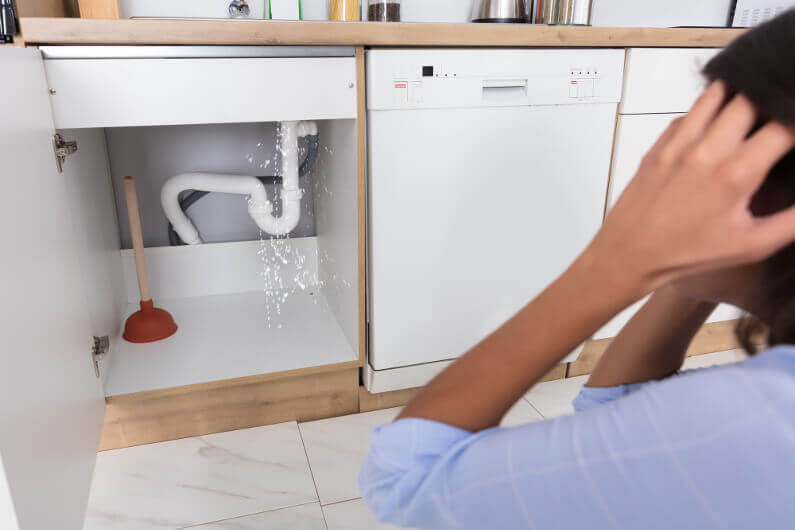
Image Source: royaltyplumbing.com
Deciphering the Source: Pinpointing the Leak
Before you can fix your leaking sink, you need to know where the water is coming from. This often involves a bit of detective work. Don’t panic if your sink cabinet is wet; with a flashlight and some patience, you can usually find the source.
The Dripping Faucet: A Constant Annoyance
A constantly dripping faucet is one of the most common reasons for a leaking kitchen sink. This isn’t just about the wasted water and the irritating sound; a persistent drip can slowly worsen and indicate underlying issues within the faucet mechanism.
Common Causes of a Dripping Faucet:
- Worn Washer: The most frequent culprit is a worn-out rubber washer inside the faucet. This washer creates a seal to stop water flow. When it degrades, water seeps through.
- Faulty O-ring: Similar to washers, O-rings are small rubber seals that prevent leaks around the faucet stem. If an O-ring is damaged or worn, water can leak from the handle area or spout.
- Corroded Valve Seat: The valve seat is where the washer presses against to stop water. Over time, mineral deposits or corrosion can roughen this surface, preventing a tight seal.
- Cartridge Issues (Cartridge Faucets): Many modern faucets use cartridges to control water flow and temperature. If the cartridge is damaged or worn out, it can cause leaks.
- Loose Parts: Sometimes, simple wear and tear can loosen internal components, allowing water to escape.
DIY Fixes for a Dripping Faucet:
- Turn Off the Water Supply: This is crucial. Look for the shut-off valves located directly beneath your sink. Turn them clockwise until they stop. If you can’t find them or they don’t work, you’ll need to turn off the main water supply to your house.
- Disassemble the Faucet:
- Identify your faucet type: Compression, ball, cartridge, or ceramic disc. This will determine the parts you’ll need and how to access them.
- For most faucets, you’ll need to remove the decorative cap on the handle, then a screw holding the handle in place. Carefully pull off the handle.
- Replace the Washer or O-ring:
- If you have a compression faucet, you’ll typically find a washer at the bottom of the stem. Unscrew the stem assembly, remove the old washer (often held by a screw), and replace it with an identical new one.
- O-rings are usually found around the valve stem. Gently pry out the old O-ring and slip on a new one of the same size.
- Address the Valve Seat: If the valve seat is corroded, you might need a valve seat wrench to unscrew it and replace it. For minor corrosion, a valve seat dresser tool can smooth the surface.
- Replace the Cartridge (Cartridge Faucets): Once the handle is off, you’ll see the cartridge. There might be a retaining nut or clip holding it in place. Remove these, pull out the old cartridge, and insert a new one. Ensure the new cartridge is compatible with your faucet model.
- Reassemble and Test: Carefully reassemble the faucet in reverse order. Turn the water supply back on slowly and check for leaks.
The Leaky Pipe Under Sink: A Hidden Danger
The area under your kitchen sink is a hub of plumbing activity, and a leaky pipe under the sink is a common problem. This can manifest as a slow drip or a more substantial leak, often leading to a wet sink cabinet and potential water damage under sink.
Common Causes of a Leaky Pipe Under Sink:
- Loose Connections: Plumbing pipes are joined using various fittings. Over time, these connections can loosen due to vibrations or changes in temperature.
- Cracked or Damaged Pipes: Pipes, especially those made of PVC or metal, can crack due to freezing, age, or physical impact.
- Corroded Pipes: Older metal pipes (like galvanized steel) are prone to corrosion, which can create pinhole leaks.
- Faulty Seals or Gaskets: Many connections use rubber seals or gaskets to ensure watertightness. These can degrade over time, leading to leaks.
- Drain Pipe Leak: The drain pipes themselves, carrying wastewater away, can develop leaks at joints or due to cracks.
DIY Fixes for a Leaky Pipe Under Sink:
- Identify the Exact Source: Use a dry paper towel to wipe down all pipes and connections. The wettest spot indicates the origin of the leak.
- Tighten Connections: For loose threaded connections, try gently tightening them with a pipe wrench or channel locks. Be careful not to overtighten, which can damage the pipe or fitting.
- Temporary Patching:
- Pipe Clamp: For small holes or cracks in straight pipe sections, a pipe repair clamp can provide a temporary fix. Wrap the rubber gasket around the damaged area and secure the clamp.
- Plumbing Tape (PTFE Tape): For threaded connections, ensure the tape is wrapped correctly (clockwise) around the threads before assembly. For a leak directly on a pipe thread, wrapping tape around the threads might help, but it’s usually a temporary measure.
- Epoxy Putty: For small holes or cracks, plumbing epoxy putty can be molded around the damaged area. Follow the product instructions carefully; it usually requires mixing two components before applying.
- Addressing Drain Pipe Leaks:
- Loose Slip Nuts: Many drain pipes use slip nuts that are hand-tightened or slightly tightened with pliers. Check these for looseness.
- Washer Replacement: If a leak is coming from where a pipe enters a fitting, the rubber washer inside might be worn. You may need to disassemble the joint, replace the washer, and reassemble.
- When to Call a Professional: For significant cracks, corroded pipes, or if you’re unsure about the type of pipe or fitting, it’s best to call a plumber. DIY fixes are often temporary, and a permanent plumbing repair might be necessary.
Clogged Drain Water Backing Up: More Than Just a Slow Drain
A clogged drain water backing up is a clear sign of a blockage somewhere in your drainage system. While it might seem like just a nuisance, persistent backups can put pressure on your pipes and seals, potentially leading to leaks.
Common Causes of Clogged Drains:
- Grease and Food Scraps: Pouring grease down the drain solidifies and traps food particles, creating blockages.
- Hair: Particularly in bathroom sinks, hair is a major culprit, forming dense clogs.
- Soap Scum: Over time, soap residue can build up and combine with other debris.
- Foreign Objects: Small items like pieces of plastic, cotton swabs, or even jewelry can accidentally fall into drains.
- Buildup in Pipes: General wear and tear can lead to a gradual buildup of sediment and debris inside the pipes.
DIY Solutions for Clogged Drains:
- Plunger Power: Ensure there’s enough water in the sink to cover the plunger’s cup. Create a strong seal and plunge vigorously up and down several times. If it’s a double sink, block the other drain with a wet cloth.
- Boiling Water: For grease-related clogs, pouring a kettle of boiling water down the drain can help dissolve the buildup. Be cautious if you have PVC pipes, as excessive heat can damage them; let the water cool slightly.
- Baking Soda and Vinegar: Pour about half a cup of baking soda down the drain, followed by an equal amount of white vinegar. Cover the drain immediately. The chemical reaction can help loosen clogs. Let it sit for 15-30 minutes, then flush with hot water.
- Drain Snake (Auger): For tougher clogs, a drain snake is highly effective.
- Feed the snake into the drain.
- When you encounter resistance, crank the handle to break up or hook the clog.
- Slowly pull the snake back out, bringing the debris with it.
- Cleaning the P-trap: The P-trap is the U-shaped pipe under your sink. It’s designed to hold water, preventing sewer gases from entering your home, but it’s also a common spot for clogs.
- Place a bucket underneath the P-trap to catch any water or debris.
- Loosen the slip nuts on either side of the P-trap.
- Remove the P-trap and clear out any obstructions.
- Reassemble, ensuring the seals are properly in place.
The P-Trap Leak: A Common Culprit
As mentioned above, the P-trap is a critical component of your drainage system. A P-trap leak is often due to loose connections or worn-out seals.
Signs of a P-Trap Leak:
- Dampness around the U-bend: Water pooling or a consistently wet P-trap area.
- Musty Odor: If the P-trap isn’t holding water correctly due to a leak, sewer gases can escape, causing a foul smell.
- Visible drips: Water dripping from the pipe joints.
DIY Fixes for a P-Trap Leak:
- Tighten Slip Nuts: Gently try to tighten the slip nuts that connect the P-trap to the rest of the drain pipes.
- Replace Washers: If tightening doesn’t work, the rubber washers inside the slip nuts may be worn or cracked.
- Place a bucket under the P-trap.
- Unscrew the slip nuts.
- Remove the old washers and replace them with new ones of the same size and type.
- Reassemble the P-trap.
- Consider P-Trap Replacement: If the P-trap itself is cracked or heavily corroded, it’s best to replace the entire unit. These are relatively inexpensive and easy to install.
Garbage Disposal Leak: Powering Down to Fix
Garbage disposals are convenient but can be prone to leaks, especially if they are old or have been subjected to improper use. A garbage disposal leak can be messy and potentially dangerous due to the electrical components involved.
Common Causes of Garbage Disposal Leaks:
- Leaking Seal: The seal between the disposal unit and the sink flange can wear out.
- Cracked Casing: The disposal unit’s housing can crack due to age, wear, or accidental impact.
- Loose Connections: The drain pipes connecting to the disposal can become loose.
- Leaking from Dishwasher Hose Connection: If your dishwasher drains into the disposal, the hose connection can leak.
- Internal Components: Seals within the disposal itself can fail.
DIY Fixes for Garbage Disposal Leaks:
- ALWAYS Turn Off Power: Before doing any work on the garbage disposal, locate the circuit breaker that controls it and switch it off. Ensure no one accidentally turns it back on.
- Identify the Leak Source: Check around the flange, the connections to the pipes, and the main body of the disposal.
- Tighten Sink Flange: If the leak is around the top, the mounting flange might be loose. You might need to access the underside of the sink to tighten the mounting assembly.
- Check Pipe Connections: Ensure all pipe connections to and from the disposal are secure. Tighten slip nuts if necessary.
- Dishwasher Hose: Inspect the connection point for the dishwasher drain hose. Ensure the clamp is tight and the hose is not cracked.
- Leaking from Disposal Body: If the leak is from the main body of the disposal unit itself, it likely indicates a cracked casing or a failed internal seal. In most cases, this means the disposal unit needs to be replaced. This is a more involved DIY project.
Replacing a Garbage Disposal:
- Disconnect Power: Ensure power is OFF.
- Disconnect Drains: Place a bucket under the disposal and disconnect the drain pipes.
- Disconnect Dishwasher Hose: Remove the dishwasher drain hose if attached.
- Disconnect Disposal from Mount: Unscrew or detach the mounting ring that holds the disposal to the sink flange.
- Remove Old Disposal: Carefully lower the old disposal unit.
- Install New Disposal: Follow the manufacturer’s instructions for your new unit. This typically involves attaching a new mounting flange to the sink, then attaching the disposal to the flange.
- Reconnect Drains and Hoses: Reattach all pipes and hoses.
- Restore Power and Test: Turn the power back on and run water through the disposal to check for leaks.
The Faucet Handle Leaking: More Than Just a Drip
While a dripping faucet spout is common, a faucet handle leaking indicates an issue with the seals around the valve stem or cartridge.
Common Causes of a Faucet Handle Leak:
- Worn O-ring: This is the most frequent cause. The O-ring seals the stem where it passes through the faucet body.
- Damaged Cartridge: In cartridge-style faucets, a faulty cartridge can cause leaks around the handle.
- Loose Packing Nut: Some older faucets have a packing nut behind the handle that compresses packing material to create a seal. This nut can loosen.
DIY Fixes for a Faucet Handle Leak:
- Turn Off Water: As always, shut off the water supply.
- Disassemble Handle: Remove the decorative cap and screw to detach the handle.
- Access the Stem/Cartridge: Remove any escutcheon or bonnet nut that covers the valve stem or cartridge.
- Replace O-ring: Locate the O-ring(s) on the valve stem. Carefully remove the old ones and replace them with new ones of the exact same size. Lubricate new O-rings with plumber’s grease.
- Replace Cartridge: If you have a cartridge faucet, remove the old cartridge and insert a new one, ensuring it’s oriented correctly.
- Tighten Packing Nut: If your faucet has a packing nut, try tightening it slightly. If the leak persists, you may need to replace the packing material.
- Reassemble and Test: Put everything back together and test for leaks.
Common Materials and Tools for Sink Repair
Having the right tools and materials on hand can make DIY sink repairs much smoother.
Essential Tools:
- Adjustable Wrenches: For various pipe fittings and nuts.
- Pipe Wrenches: For larger pipes and stubborn fittings.
- Channel Lock Pliers (Groove Joint Pliers): Versatile for gripping pipes and nuts.
- Screwdriver Set: For handle screws and other fasteners.
- Plumber’s Tape (PTFE Tape): For sealing threaded pipe connections.
- Plumber’s Putty: For sealing flanges and fixtures to the sink or countertop.
- Bucket: To catch water and debris.
- Flashlight: To see in dark under-sink areas.
- Gloves: To protect your hands.
- Drop Cloth or Old Towels: To protect your cabinet from water.
- Drain Snake or Auger: For clearing clogs.
- Replacement Washers, O-rings, and Gaskets: It’s good to have a variety pack or know the sizes for your fixtures.
- Replacement Cartridges: If you have cartridge faucets, have the correct replacement on hand.
Replacement Parts:
- Washers: Various sizes, usually rubber.
- O-rings: Small rubber rings that create seals.
- Gaskets: Larger rubber seals for pipe connections.
- P-trap kit: Includes the U-bend and associated slip nuts and washers.
- Faucet Cartridge: Specific to your faucet brand and model.
- Sink Flange: If the original is damaged or corroded.
When to Call a Professional Plumber
While many sink leaks can be fixed with DIY methods, there are situations where professional plumbing repair is necessary.
Red Flags for DIY Repair:
- Major Pipe Bursts or Leaks: If you have a significant leak or burst pipe, turn off the main water supply immediately and call a plumber.
- Persistent Leaks After DIY Attempts: If you’ve tried several fixes and the leak continues, a professional can diagnose more complex issues.
- Leaking Behind Walls: If you suspect a leak is originating from within the wall, this requires professional intervention.
- Unfamiliar Pipe Materials or Systems: If you’re dealing with old plumbing or systems you don’t recognize, it’s safer to call an expert.
- Garbage Disposal Replacement: While possible for DIYers, a faulty disposal can be hazardous if not handled correctly.
- Lack of Confidence or Proper Tools: If you don’t feel comfortable or don’t have the necessary tools, it’s better to err on the side of caution and hire a professional.
- Signs of Serious Water Damage: If you notice extensive water damage under the sink, mold, or structural concerns, a plumber and potentially a restoration specialist should be involved.
A professional plumber has the expertise, specialized tools, and knowledge to accurately diagnose and permanently repair even the most challenging sink leaks. They can also ensure the repair meets code requirements.
Frequently Asked Questions (FAQ)
Q1: How often should I check for leaks under my kitchen sink?
A1: It’s a good practice to check for leaks at least once a month. Visually inspect the pipes and connections, and feel around for any dampness or moisture.
Q2: What’s the difference between a plumber’s tape and plumber’s putty?
A2: Plumber’s tape (PTFE tape) is used to seal threaded pipe connections. Plumber’s putty is a soft, pliable sealant used to create a watertight seal around fixtures like sink flanges, drains, and faucets where they meet the sink or countertop.
Q3: My faucet handle is leaking, but the faucet itself isn’t dripping. What could be wrong?
A3: This usually indicates a problem with the O-ring around the valve stem or a faulty cartridge. The water is escaping around the handle before it even reaches the spout.
Q4: Can I pour chemicals down my drain to fix a clog?
A4: Chemical drain cleaners can be effective for minor clogs, but they can also be harsh on your pipes, especially older ones. They can also be dangerous if not used correctly. Mechanical methods like plunging or using a drain snake are generally safer and more environmentally friendly.
Q5: How do I know if my garbage disposal is leaking from the unit itself or from the drain pipes connected to it?
A5: Dry all the connections and the body of the disposal thoroughly. Then, run water through the disposal (without turning it on). Observe closely where the water first appears. If it’s coming from a pipe connection, that’s where the problem lies. If it’s seeping from the main body or seams of the disposal unit, the unit itself is likely compromised.
Q6: My sink cabinet is wet, but I can’t see any obvious drips. What should I do?
A6: This can be tricky. The water might be slowly seeping from a pipe or connection and accumulating at the bottom of the cabinet. Use dry paper towels to wipe down all accessible pipes and fittings. The towel that becomes wettest first will indicate the leak’s origin. Also, check the seals around the sink drain itself and the overflow opening.
By following these guidelines, you can effectively diagnose and address most kitchen sink leaks, saving yourself time, money, and the headache of water damage. Remember, when in doubt, always consult a qualified professional.