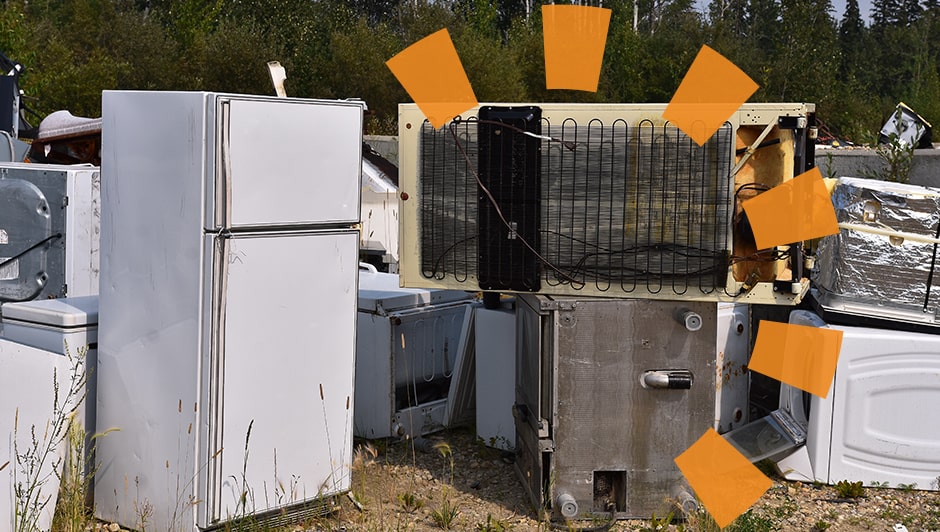
Image Source: www.dumpsters.com
How To Dispose Of Kitchen Appliances Safely and Eco-Friendly
What is the safest and most eco-friendly way to dispose of kitchen appliances? The safest and most eco-friendly way to dispose of kitchen appliances is through appliance recycling or by using specialized junk removal services that prioritize responsible disposal. Simply throwing old appliances in the regular trash is often illegal and harmful to the environment.
When your trusty kitchen appliances finally give up the ghost, you’re left with a bulky problem. How do you get rid of that old refrigerator, the humming dishwasher, or the reliable stove without harming the planet or breaking the law? This guide will walk you through the best practices for old appliance removal, ensuring your electronics disposal is both safe and environmentally sound. We’ll cover everything from refrigerator disposal to microwave disposal, dishwasher removal, and stove disposal, so you can make an informed choice.
Why Proper Appliance Disposal Matters
Throwing away old kitchen appliances in the regular trash is a big no-no. Here’s why:
- Environmental Hazards: Many appliances contain components like refrigerants (in refrigerators and freezers) or mercury (in older thermostats) that can be toxic if released into the environment. Proper disposal prevents these harmful substances from polluting our soil and water.
- Landfill Space: Appliances are large and bulky, taking up valuable space in landfills. Recycling these items reduces the strain on these limited resources.
- Resource Recovery: Appliances are made of valuable materials like steel, copper, aluminum, and plastic. Appliance recycling allows these materials to be reclaimed and used to create new products, conserving natural resources and energy.
- Legal Requirements: Many states and municipalities have specific regulations regarding the disposal of large appliances and electronics. Failure to comply can result in fines.
Your Options for Responsible Appliance Disposal
You have several excellent choices when it comes to getting rid of your old kitchen appliances responsibly. Let’s explore them:
1. Appliance Recycling Programs
Many local governments and private companies offer dedicated appliance recycling programs. These programs are designed to safely dismantle appliances and salvage recyclable materials.
- Municipal Drop-off Centers: Check with your local waste management or public works department. They often have designated drop-off locations for large appliances, sometimes with specific collection days.
- Retailer Take-Back Programs: When you purchase a new appliance, many retailers offer to haul away your old one for a fee or even for free as part of their service. This is a convenient option that streamlines the old appliance removal process.
- Scrap Metal Recyclers: Metal recycling centers will often accept appliances, as they are primarily made of metal. They may even pay you a small amount for the scrap value. However, they might not be equipped to handle hazardous components like refrigerants.
2. Junk Removal Services
For a hassle-free experience, consider using professional junk removal services. These companies specialize in picking up and disposing of unwanted items, including large appliances.
- Convenience: They do the heavy lifting and transport, saving you time and effort.
- Responsible Disposal: Reputable junk removal services partner with recycling facilities and disposal sites that adhere to environmental regulations. They will ensure your old appliance, whether it’s a refrigerator disposal or dishwasher removal, is handled correctly.
- Scheduling: You can typically schedule a pick-up at your convenience.
When choosing a service, ask about their disposal methods. Do they prioritize appliance recycling? Do they handle hazardous materials safely?
3. Donation and Resale
If your appliance is still in good working condition, consider giving it a second life!
- Charitable Organizations: Many charities accept working appliances. This is a fantastic way to help those in need while ensuring your appliance isn’t just thrown away. Call local charities like Habitat for Humanity ReStores or Salvation Army to see if they accept appliance donations. They often have pick-up services for larger items.
- Online Marketplaces: Sell your appliance through platforms like Craigslist, Facebook Marketplace, or eBay. Even if it’s older, someone might be looking for an affordable option. This is a form of responsible appliance disposal that benefits others.
Specific Appliance Disposal Considerations
Each appliance has its own unique disposal needs due to its components.
Refrigerator Disposal and Freezer Disposal
Refrigerators and freezers contain refrigerants (like Freon) that are potent greenhouse gases. These must be handled by certified professionals.
- Refrigerant Removal: Before disposal, the refrigerant must be safely extracted and disposed of according to environmental laws. Many recycling centers and specialized services will ensure this is done correctly.
- Energy Star Appliances: If you’re replacing an old refrigerator with an Energy Star certified model, check if the retailer offers an old appliance rebate or a haul-away service that includes proper disposal.
Microwave Disposal
While smaller than refrigerators, microwaves still contain electronic components and sometimes hazardous materials like capacitors that can hold a charge.
- Electronics Recycling: Treat your microwave as electronic waste. Look for local e-waste recycling events or drop-off locations.
- Retailer Trade-Ins: Some electronics stores might offer trade-in programs for older microwaves when you purchase a new one.
Dishwasher Removal and Washing Machine Removal
These appliances are primarily made of metal and plastic, making them excellent candidates for recycling.
- Scrap Metal Value: Their metal content means they are often accepted by scrap metal recyclers.
- Junk Removal: Junk removal services can easily pick these up for recycling.
Stove Disposal and Oven Disposal
Stoves and ovens also contain a significant amount of metal.
- Gas Stoves: If you have a gas stove, ensure the gas line is properly disconnected by a qualified professional before removal.
- Electric Stoves: Electric stoves are generally easier to handle, but care should be taken with electrical connections.
Disposal of Smaller Appliances (Toasters, Blenders, Coffee Makers)
Even small kitchen appliances require responsible disposal.
- E-waste Programs: These items often fall under electronics disposal guidelines. Check for local e-waste recycling programs.
- Charity Shops: If they are in good working order, donate them to local thrift stores.
Making the Process Easier: Tips for Preparation
To ensure a smooth and safe old appliance removal, follow these tips:
- Empty and Clean: Thoroughly empty and clean the appliance. Remove any food items, shelves, or drawers. This makes it lighter and prevents spills during transport.
- Disconnect Power and Water: For appliances like dishwashers and washing machines, disconnect the power supply and water lines. For stoves, ensure gas lines are safely disconnected if applicable.
- Secure Doors: Tape refrigerator and freezer doors shut to prevent them from swinging open during transport.
- Gather Documentation: If you’re selling or donating, have any manuals or warranty information ready.
Finding Local Disposal Options
Knowing where to take your old appliances is key to responsible appliance disposal. Here’s how to find local resources:
Online Search Tools
- Earth911.com: This website allows you to search for recycling centers by material and zip code.
- Call2Recycle: Primarily for batteries and cell phones, but they can sometimes direct you to other recycling resources.
- Local Government Websites: Your city or county’s waste management or environmental services department website will likely have information on appliance disposal and recycling events.
Local Resources
- Your Waste Management Provider: Call your regular trash and recycling company. They can often provide information on bulky item pick-ups or direct you to local recycling facilities.
- Appliance Repair Shops: While they might not take appliances for disposal, they often know of local recycling options or services that specialize in old appliance removal.
The Environmental Benefits of Appliance Recycling
Choosing appliance recycling isn’t just about following rules; it’s about making a positive impact on the environment.
- Resource Conservation: Recycling metals like steel and aluminum reduces the need for mining new ore, which is an energy-intensive and environmentally damaging process.
- Energy Savings: Manufacturing products from recycled materials typically uses significantly less energy than producing them from raw materials. For example, recycling aluminum saves about 95% of the energy needed to make new aluminum.
- Pollution Reduction: Proper disposal and recycling prevent hazardous materials from leaching into the environment, protecting air and water quality.
When to Consider Junk Removal Services
While DIY disposal is possible, sometimes a junk removal service is the best route.
- Heavy or Difficult Appliances: Refrigerators, large ranges, and washing machines can be very heavy and awkward to move. Professionals have the equipment and manpower to handle them safely.
- Lack of Transportation: If you don’t have a truck or trailer suitable for hauling large appliances, a junk removal service is essential.
- Time Constraints: If you’re busy or need the appliance removed quickly, a professional service can often accommodate your schedule.
- Multiple Items: If you’re decluttering and have several large items to dispose of, a junk removal service can take them all at once. They are adept at handling various types of electronics disposal and bulky waste.
Frequently Asked Questions (FAQ)
Q1: Can I put my old refrigerator in the regular trash?
A1: No, it is generally illegal and environmentally irresponsible to put refrigerators or freezers in the regular trash due to their refrigerant content.
Q2: Who will pick up my old appliance?
A2: Many options exist. Your local waste management service might offer bulky item pick-up, appliance retailers often take them when you buy a new one, and professional junk removal services are readily available.
Q3: How much does appliance recycling cost?
A3: Costs vary. Some municipal programs are free, retailers may charge a small fee for haul-away, and junk removal services will charge based on the item and service. Scrap metal recyclers might even pay you.
Q4: Is it safe to remove refrigerants myself for refrigerator disposal?
A4: Absolutely not. Refrigerant removal requires specialized training and equipment to prevent harm to yourself and the environment. This must be done by certified professionals.
Q5: Where can I take old electronics for disposal?
A5: Look for local e-waste recycling events, certified electronics recyclers, or inquire at your local government’s waste management facilities. Many retailers also offer e-waste drop-off.
Q6: What is appliance recycling?
A6: Appliance recycling is the process of dismantling old appliances to recover valuable materials like metals, plastics, and glass, while safely disposing of hazardous components.
Q7: Can I donate a broken appliance?
A7: Generally, no. Charities and donation centers usually only accept appliances in good working condition. However, some specialized recycling facilities might accept them.
Q8: How do I dispose of a stove with a gas line?
A8: The gas line must be safely disconnected by a qualified professional before the stove can be moved or disposed of.
By following these guidelines, you can ensure your old kitchen appliances are disposed of in a way that protects the environment and complies with regulations. Choosing responsible appliance disposal is a small but significant action that contributes to a healthier planet.