What is the cost to reface kitchen cabinets? The average cost to reface kitchen cabinets typically ranges from $2,500 to $10,000, with most homeowners spending around $5,000 to $7,000. This price depends heavily on the materials used, the size of your kitchen, and whether you hire professionals or do it yourself.
Thinking about giving your kitchen a facelift without the hefty price tag of a full renovation? Cabinet refacing might be your answer. It’s a fantastic way to update the look of your kitchen, breathing new life into your existing cabinet boxes. But before you dive in, you’re likely wondering about the financial commitment. This in-depth guide will break down the cabinet refacing cost, helping you budget and make informed decisions.
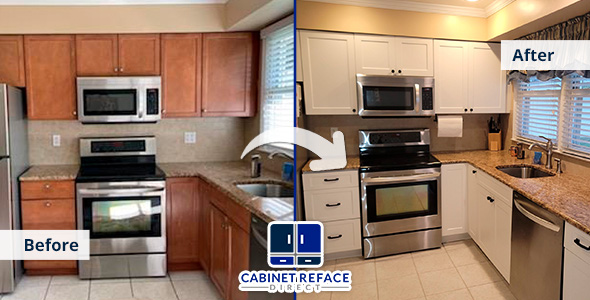
Image Source: www.cabinetrefacedirect.com
Deciphering the Price Tag: Factors Influencing Cabinet Refacing Cost
The kitchen cabinet resurfacing price isn’t a one-size-fits-all figure. Several key elements contribute to the overall expense. Let’s explore them.
1. Kitchen Size and Number of Cabinets
The most straightforward factor is the sheer scale of your kitchen. A larger kitchen with more cabinets naturally requires more materials and labor. When you get quotes, professionals will often count the number of doors and drawer fronts.
- Small Kitchens (10-15 cabinets): Expect costs on the lower end.
- Medium Kitchens (15-25 cabinets): This is where the average costs fall.
- Large Kitchens (25+ cabinets): Costs will climb proportionally.
2. Materials Chosen for Refacing
This is a major driver of cost. You have several options for how your cabinets will be refaced:
a) Veneer and Laminate
- Veneer: Thin slices of real wood. They offer a natural wood look and feel at a more accessible price point than solid wood.
- Laminate: A synthetic material made of plastic or paper layered with a decorative design and a clear protective layer. Laminate is durable, easy to clean, and can mimic the look of wood or other textures. It’s often the most budget-friendly option.
b) Wood Refacing
- Solid Wood: This involves replacing the existing cabinet doors and drawer fronts with new ones made of solid wood (like oak, maple, cherry, or hickory). This is the most premium option, offering the highest aesthetic appeal and durability but also the highest cost.
- Wood Veneer Overlay: This is a very common and cost-effective way to achieve a wood look. Thin pieces of real wood veneer are applied over the existing cabinet boxes, and new wooden doors and drawer fronts are installed.
c) Thermofoil
- Thermofoil: A vinyl film that is heat-pressed onto a molded MDF (Medium-Density Fibreboard) door. It’s seamless, easy to clean, and available in various colors and finishes, often mimicking painted wood. While less expensive than real wood, it can be less durable and susceptible to peeling or damage from heat and moisture over time.
3. Style and Design of New Doors and Drawer Fronts
The aesthetic choices you make will impact the price.
- Flat-Panel (Slab) Doors: Generally the simplest and most affordable.
- Raised-Panel Doors: Have a more traditional and decorative look, adding to the cost.
- Recessed-Panel Doors: Offer a classic and refined appearance.
- Shaker Style Doors: A very popular modern choice, typically mid-range in price.
- Custom Designs: Intricate details, carvings, or unique finishes will command higher prices.
4. Labor Costs (If Hiring Professionals)
The cabinet refinishing labor cost can vary significantly based on your geographic location, the complexity of the job, and the experience of the contractor.
- DIY vs. Professional: Doing it yourself will save on labor costs but requires time, skill, and the right tools. Hiring professionals ensures a high-quality finish but adds to the overall expense.
- Contractor Rates: Hourly rates or project-based fees will differ between handymen, specialized cabinet refacers, and larger renovation companies.
5. Cabinet Hardware Replacement
While not strictly part of the cabinet structure refacing, it’s a common upgrade done simultaneously.
- Cost of Cabinet Hardware Replacement: New hinges, knobs, and drawer pulls can range from a few dollars each to $20 or more per piece, depending on the material (brass, stainless steel, ceramic, etc.) and design. For a typical kitchen, this could add $200 to $1,000+ to the total project cost.
6. Additional Services
Some refacing projects may include:
- Cabinet Drawer Front Replacement Cost: If your drawer boxes are in good shape but the fronts are damaged or dated, this is a specific cost.
- Painting or Staining Existing Cabinet Boxes: If the cabinet boxes themselves need a refresh in addition to new doors, this adds to the labor and material cost.
- Adding New Cabinet Boxes or Modifications: If you need to reconfigure your layout or add new cabinets, this moves beyond simple refacing and into a more extensive renovation.
Comprehending the Breakdown: Materials vs. Labor
Let’s look at how the costs typically split between materials and labor.
Cabinet Refacing Materials Cost
This includes the new doors, drawer fronts, and any veneer or laminate used to cover the existing cabinet boxes.
- Veneer/Laminate: Can range from $20-$60 per linear foot or $40-$100 per cabinet door.
- Wood Veneer Overlay: Expect to pay $75-$150 per cabinet door.
- Solid Wood Doors: These are the most expensive material, often ranging from $100-$300+ per cabinet door, depending on the wood type and style.
- Hardware: As mentioned, $5-$20+ per piece.
Cabinet Refinishing Labor Cost
This is the cost for the skilled hands that will do the work.
- Preparation: Removing old doors, cleaning surfaces, sanding.
- Application: Applying new veneer or laminate to cabinet boxes.
- Installation: Attaching new doors, drawer fronts, and hardware.
- Cleanup: Ensuring a tidy workspace.
Labor can account for 40% to 60% of the total project cost. For a $5,000 project, this could be $2,000 to $3,000.
Refacing vs. Replacing Cabinets Cost: A Crucial Comparison
It’s essential to weigh refacing against the alternative: replacing your cabinets entirely.
Refacing vs Replacing Cabinets Cost
| Feature | Cabinet Refacing | Full Cabinet Replacement |
|---|---|---|
| Cost | Typically 40-60% of replacement cost | Generally higher |
| Time | Faster (1-3 days for installation) | Longer (weeks to months for ordering, fabrication, installation) |
| Disruption | Less disruptive; existing cabinet boxes stay in place | Highly disruptive; significant construction work involved |
| Material Waste | Minimal | Significant |
| Customization | Limited to door/drawer style; boxes remain same | Full customization of size, layout, style, and features |
| Structural Integrity | Depends on the condition of existing boxes | New, structurally sound boxes |
| Environmental Impact | More eco-friendly (reusing boxes) | Creates more waste |
The average cost to reface kitchen cabinets is significantly less than replacing them. While a full cabinet replacement can easily run from $10,000 to $30,000 or more, refacing typically keeps you in the $2,500-$10,000 range. This makes refacing an attractive option for homeowners on a tighter budget or those who are happy with their current kitchen layout.
The Process of Cabinet Refacing: What to Expect
Understanding the steps involved can help you appreciate the labor cost and the value you’re receiving.
1. Consultation and Design
- A professional will visit your home to measure your cabinets, discuss your style preferences, and show you material samples.
- You’ll choose door and drawer front styles, finishes, and hardware.
2. Measurement and Fabrication
- Precise measurements are taken for new doors and drawer fronts.
- These are custom-made according to your specifications.
3. Preparation of Existing Cabinets
- All existing doors and drawer fronts are removed.
- The cabinet boxes (the frames) are thoroughly cleaned and prepped.
- If you’re applying wood veneer or laminate, this is done now to cover the exposed cabinet box surfaces. This can involve edge banding for a seamless look.
4. Installation of New Doors and Drawer Fronts
- New doors and drawer fronts are attached to the prepared cabinet boxes.
- New hinges and drawer slides are often installed for smoother operation.
5. Hardware Installation
- Knobs and pulls are installed on the new doors and drawer fronts.
6. Final Touches and Cleanup
- The workspace is cleaned, and any adjustments are made.
DIY vs. Professional Refacing: Weighing the Options
Can I Reface My Kitchen Cabinets Myself?
Yes, you can reface your kitchen cabinets yourself if you are handy, patient, and have the right tools. However, it’s a labor-intensive process that requires precision.
DIY Refacing Steps:
- Measure Everything Accurately: This is critical. Even a slight error can mean doors or drawer fronts don’t fit or align properly.
- Order Materials: Purchase your chosen doors, drawer fronts, veneer/laminate, adhesive, and hardware.
- Remove Old Doors/Fronts: Carefully label each door and its corresponding cabinet so you can reattach them correctly.
- Prepare Cabinet Boxes: Clean, sand, and apply any necessary primer or base coat to the cabinet frames.
- Apply Veneer/Laminate (If applicable): This requires careful application to avoid bubbles or wrinkles.
- Install New Doors and Drawer Fronts: This involves precise drilling for hinges and drawer slides. Ensure everything is level and square.
- Install Hardware: Attach knobs and pulls.
Pros of DIY Refacing:
- Cost Savings: Significantly reduces overall project cost by eliminating labor fees.
- Satisfaction: The pride of a job well done.
Cons of DIY Refacing:
- Time Commitment: Can take several weekends or even weeks, depending on your skill and availability.
- Requires Skill: Mistakes can be costly and difficult to fix.
- Tool Investment: May require purchasing specialized tools.
- Potentially Lower Quality Finish: Professional painters and installers have specialized techniques for a flawless finish.
Professional Refacing
Hiring professionals offers convenience and often a superior finish, but at a higher price.
Pros of Professional Refacing:
- Expertise and Quality: Professionals have the experience and tools to ensure a high-quality, durable finish.
- Time Savings: They can complete the job much faster than a DIYer.
- Less Stress: They handle all aspects of the project, from measuring to installation.
- Warranties: Many professional services offer warranties on their work.
Cons of Professional Refacing:
- Higher Cost: Labor is a significant portion of the expense.
- Less Control: You have less hands-on involvement in the process.
The Cost of Cabinet Door Replacement Cost and Drawer Fronts
Let’s break down the cabinet door replacement cost and cabinet drawer front replacement cost as these are the core components you’re updating.
Cost Per Door/Drawer Front (Material Only, excluding hardware):
- Laminate/Veneer: $40 – $100
- Thermofoil: $50 – $120
- Wood (Shaker/Flat Panel): $70 – $150
- Wood (Raised Panel/Decorative): $100 – $250+
Example: For a kitchen with 20 cabinet doors and 5 drawer fronts, the material cost alone could range from:
- Laminate/Veneer: 20 x $70 + 5 x $70 = $1,400 + $350 = $1,750
- Wood (Mid-Range): 20 x $110 + 5 x $110 = $2,200 + $550 = $2,750
- Wood (Premium): 20 x $175 + 5 x $175 = $3,500 + $875 = $4,375
This example highlights how material choice significantly impacts the budget.
Cabinet Refinishing vs. Painting: Another Option
Sometimes, people confuse refacing with refinishing or painting. While all update the look of cabinets, they are different processes with different costs.
Cost to Refinish Kitchen Cabinets
Refinishing typically refers to sanding down the existing cabinet doors and boxes, then applying a new stain or paint. This is a more labor-intensive process than simply applying a veneer or laminate overlay.
- DIY Refinishing: Costs are primarily for sandpaper, primers, paints, stains, and finishes. This can range from $200 to $800 for materials for an average kitchen. However, it’s very time-consuming and requires skill for a professional-looking result.
- Professional Refinishing: This involves skilled labor for proper sanding, priming, and painting/staining. The cabinet refinishing labor cost can be substantial. Expect to pay anywhere from $3,000 to $7,000+ for professional cabinet refinishing, depending on the size of the kitchen and the complexity of the finish.
Refinishing vs. Refacing Cost: Generally, professional refinishing can be as expensive as, or even more expensive than, refacing, especially if you’re opting for high-quality paint or stain finishes. Refacing offers a completely new door and drawer front, whereas refinishing works with the existing style.
Frequently Asked Questions (FAQ)
Is Cabinet Refacing Worth the Cost?
For many homeowners, yes. If your cabinet boxes are structurally sound and you like your current kitchen layout, refacing can offer a dramatic visual upgrade at a fraction of the cost and time of a full replacement. It’s a smart investment if you’re looking for a fresh look without a complete remodel.
How Long Does Cabinet Refacing Typically Take?
The actual installation of new doors and drawer fronts usually takes 1 to 3 days. The entire process, including consultation, measurement, and fabrication of new components, can take 1 to 4 weeks.
Can I Reface Cabinets That Are Damaged?
If your cabinet boxes are significantly warped, water-damaged, or structurally compromised, refacing might not be the best option. The success of refacing relies on the integrity of the existing cabinet frames. In such cases, full replacement is usually recommended.
Does Refacing Include New Drawer Boxes?
Typically, cabinet refacing involves replacing the doors and drawer fronts. The drawer boxes themselves (the wooden part that slides in and out) usually remain the same. If your drawer boxes are also in poor condition, you might consider upgrading to new drawer slides or, in some cases, full-extension drawer boxes as an additional cost.
What is the Lifespan of Refaced Cabinets?
When done professionally with quality materials, refaced cabinets can last 15 to 20 years or even longer. The lifespan depends heavily on the quality of the materials used, the installation process, and how well you care for them.
Can I Mix and Match Styles When Refacing?
Yes, you can often mix and match styles or colors, for example, using a different style for base cabinets versus wall cabinets, or a different color for the island. Discuss your ideas with your refacing professional to see what options are available and how they might affect the cost.
What If My Cabinet Boxes Are Different Heights or Depths?
Refacing will cover your existing boxes, so minor variations in height or depth between cabinets won’t be an issue. The new doors and drawer fronts will be custom-made to fit your existing frames perfectly.
Conclusion: Investing in a Refreshed Kitchen
The decision to reface your kitchen cabinets is a significant one, and how much does it cost to reface kitchen cabinets? is the paramount question. By breaking down the costs associated with materials, labor, hardware, and the overall scope of your kitchen, you can arrive at a realistic budget. Remember that while DIY can save money on labor, professional services offer expertise and peace of mind, often resulting in a superior finish.
Weighing the refacing vs replacing cabinets cost clearly favors refacing for budget-conscious homeowners seeking a substantial aesthetic upgrade without the disruption and expense of a full gut renovation. With careful planning and informed choices about materials and finishes, cabinet refacing can be an excellent investment in your home’s beauty and functionality.