Can you organize a deep kitchen drawer easily? Yes, absolutely! With the right approach and a few simple tools, transforming a chaotic deep kitchen drawer into a perfectly functional space is very achievable. Deep kitchen drawers, while offering ample space, can quickly become black holes for clutter if not managed properly. This guide will walk you through the steps to achieve effective deep drawer storage and declutter kitchen drawers for good.
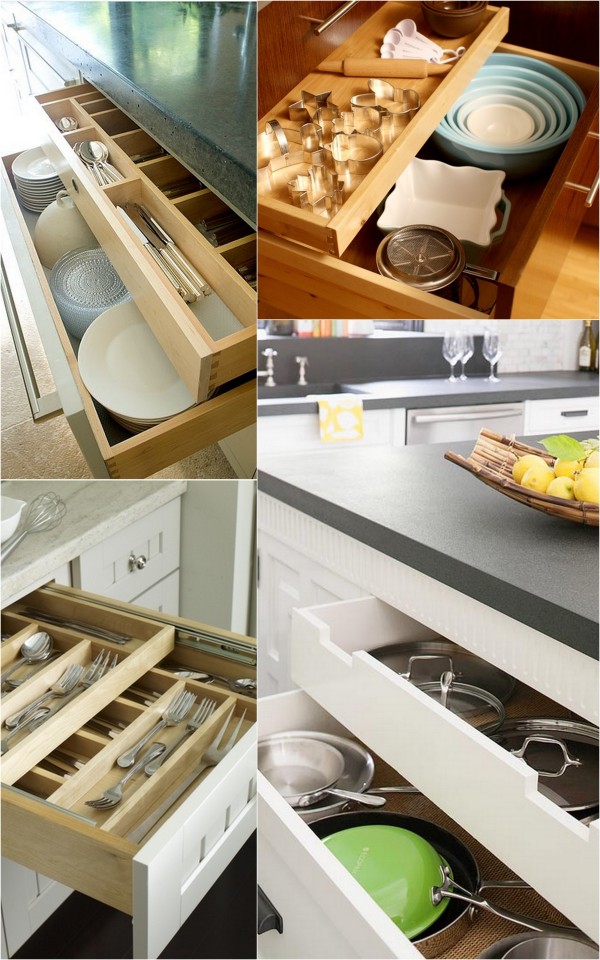
Image Source: www.livesimplybyannie.com
Why Deep Drawers Need Special Attention
Deep kitchen drawers are fantastic for storing larger items like pots, pans, mixing bowls, or even small appliances. However, their depth also means that smaller items can easily get lost at the bottom, leading to a disorganized mess. Proper kitchen drawer organization is key to making these deep spaces work for you, rather than against you.
The Challenge of Deep Kitchen Drawer Storage
- Hidden Clutter: Items at the back can be forgotten or buried.
- Inefficient Use of Space: Without structure, the vertical space is often wasted.
- Difficulty Accessing Items: You might have to dig through a pile to find what you need.
- Potential for Damage: Lighter items can be crushed by heavier ones.
Steps to Organize Your Deep Kitchen Drawer
Let’s break down the process into manageable steps to tackle even the most daunting deep drawer.
Step 1: Empty Everything Out
This is the crucial first step in any organizing project. You need a clear view of what you’re dealing with.
- Pull Out All Contents: Don’t just move things around. Take everything out of the deep drawer.
- Clean the Drawer: While it’s empty, give the drawer itself a good wipe-down. Remove any crumbs or spills.
Step 2: Declutter Ruthlessly
This is where you decide what stays and what goes. Be honest with yourself.
- Sort into Categories: Group similar items together. This makes it easier to see duplicates or things you no longer use.
- Keep: Items you use regularly and need.
- Donate/Sell: Items in good condition that you don’t use.
- Discard: Broken items, expired goods, or anything unusable.
- Ask Key Questions:
- When was the last time I used this?
- Do I have a duplicate?
- Is this item still functional?
- Does this item serve a purpose in my kitchen?
- Am I likely to use this in the next six months?
Common Culprits in Deep Drawers to Declutter:
- Old gadgets: Mismatched lids, broken tools, single-use items.
- Expired food items: Spices past their prime, forgotten snacks.
- Excessive utensils: Too many spatulas, whisks, or serving spoons.
- Random odds and ends: Batteries, takeout menus, random screws – these belong in a junk drawer solutions kit elsewhere.
Step 3: Plan Your Layout
Before you put anything back, think about how you want to use the space.
- Consider Drawer Contents: What types of items will live in this drawer? This will determine the best organizational tools.
- Frequency of Use: Place frequently used items towards the front for easy access.
- Weight Distribution: Heavier items should go towards the back or bottom to prevent the drawer from tipping.
- Vertical vs. Horizontal Storage: For deep drawers, vertical storage is often more efficient.
Step 4: Implement Drawer Dividers and Containers
This is where you bring structure to your deep drawer storage. Drawer dividers are your best friend for maximizing deep drawers.
Types of Drawer Dividers and Inserts:
- Adjustable Drawer Dividers: These are incredibly versatile. They can be tension-based or have sliding sections, allowing you to customize compartments to fit your specific needs. They are excellent for separating long items like baking sheets or cutting boards.
- Honeycomb Drawer Organizers: Perfect for smaller items like utensils, gadgets, or even spices. Their individual cells keep each item separate and prevent tangling.
- Drawer Boxes and Bins: Small bins or boxes can be placed inside the drawer to group specific items. Look for stackable options or those with handles for easy removal. Clear bins are great for visibility.
- Custom Drawer Inserts: For a truly tailored solution, consider custom drawer inserts. These can be made to perfectly fit the dimensions of your drawer and have specific cutouts for all your kitchen tools. While more of an investment, they offer unparalleled organization.
What to Store in Deep Drawers and How to Divide Them:
| Drawer Type | Common Items | Best Dividers/Organizers | How to Maximize Space |
|---|---|---|---|
| Pantry Drawer | Cans, jars, dry goods, spices, baking supplies | Adjustable dividers, small bins, spice racks, tiered risers | Stack cans vertically, use bins for smaller items, face spice labels forward. |
| Utensil Drawer | Cooking utensils, spatulas, whisks, cutlery | Honeycomb organizers, adjustable utensil dividers, shallow trays | Use dividers to keep items upright and separated. Don’t overstuff; separate everyday cutlery from cooking tools. |
| Baking Drawer | Baking sheets, muffin tins, cake pans, cooling racks | Deep, adjustable dividers, tension rods, vertical file holders | Store items vertically on their sides. Use dividers to keep them from falling over. |
| Pot and Pan Drawer | Pots, pans, lids | Deep adjustable dividers, vertical pan organizers, lid racks, pull-out shelves | Use vertical organizers for pans and lids. Stack pots where possible, placing larger ones at the back. |
| Under Sink Drawer | Cleaning supplies, sponges, dish soap, trash bags | Small bins, shallow trays, tension rods, turntables (for bottles) | Use bins to group cleaning products. Keep spray bottles upright. Use a small turntable for easy access to bottles. |
| Junk Drawer Solutions | Miscellaneous items, batteries, pens, tape | Small compartment organizers, magnetic strips, tiny bins, screw-top jars | Categorize items into small containers. Use a magnetic strip for small metal items like paperclips. |
Step 5: Strategic Placement of Items
Once you have your dividers and containers, it’s time to put things back, thoughtfully.
- Group Like Items Together: All spatulas in one section, all whisks in another.
- Vertical Storage is Key: For items like baking sheets, cutting boards, platters, and even some pots and pans, storing them vertically using dividers is a game-changer. This allows you to see everything at a glance and easily pull out what you need without disturbing other items.
- Nesting and Stacking: Nest pots and pans when possible, but avoid stacking too many to prevent damage. Use liners between stacked items if you’re concerned about scratches.
- Utilize Small Containers: For small items like measuring spoons, cookie cutters, or even spice packets, small bins or compartments keep them contained and prevent them from migrating.
- Face Labels Out: For spices, canned goods, or anything with labels, arrange them so the labels are visible. This saves time and frustration.
Step 6: Label Everything (Optional but Recommended)
Labeling is an extra step that greatly enhances the long-term success of your kitchen drawer organization.
- What to Label: Label sections, bins, or dividers.
- How to Label: Use a label maker, chalkboard labels, or simple masking tape and a marker.
- Benefits: Labels make it easy to remember where things belong, and they help others in the household put items back correctly. This is especially helpful for maintaining pantry drawer organization or keeping your kitchen utensil organization in order.
Step 7: Maintain Your Organized Drawer
Organization isn’t a one-time event; it’s an ongoing practice.
- The “One In, One Out” Rule: When you buy a new kitchen gadget, consider donating or discarding an old one.
- Regular Mini-Purges: Every few months, take a quick look through your drawers. Remove anything that has crept in that doesn’t belong or that you no longer use.
- Put Items Back Immediately: Make it a habit to return items to their designated spots right after use. This prevents clutter from building up again.
Deep Drawer Organization Ideas for Specific Kitchen Zones
Let’s explore how to apply these principles to different types of deep drawers.
Maximizing Deep Drawers for Pots and Pans
Deep drawers are ideal for pots and pans, but they can also become unwieldy.
- Vertical Pan Organizers: These wire racks allow you to store pans on their sides, much like files in a cabinet. This makes it easy to grab a specific pan without having to lift a whole stack.
- Lid Storage: Specialized lid racks or even simple adjustable dividers can keep pot lids upright and organized, preventing them from rattling around or disappearing.
- Nesting Wisely: Nest pots and pans where appropriate, but be mindful of scratching. Consider using pot protectors between nested items. Place heavier pots at the back.
Organizing Your Pantry Drawer Deeply
A deep pantry drawer can hold a surprising amount of food if organized correctly.
- Tiered Risers: Use tiered risers for cans or jars. This allows you to see items at the back without having to move everything in front.
- Bins for Small Items: Group packets of seasoning, small bags of chips, or baking chips into bins.
- Spice Racks: If your pantry drawer is for spices, consider an angled spice rack that fits inside the drawer, making all labels visible.
- Vertical Bag Storage: For bags of grains, pasta, or snacks, use file holders or shallow bins to store them upright.
Achieving Kitchen Utensil Organization in Deep Drawers
This is a common area for chaos.
- Honeycomb Dividers: These are perfect for keeping individual utensils separate and preventing them from becoming a tangled mess.
- Adjustable Utensil Trays: If you have a mix of small and large utensils, adjustable trays allow you to customize the compartments.
- Separate Gadgets: Keep your most-used cooking utensils (spatulas, whisks, tongs) separate from less frequently used gadgets or cutlery.
Tackling the Under Sink Drawer
This area often deals with moisture and cleaning chemicals, requiring a different approach.
- Waterproof Bins: Use bins that are easy to wipe down and won’t be damaged by minor spills.
- Turntables: A small lazy Susan or turntable is excellent for organizing spray bottles or cleaning solutions, allowing you to easily access items at the back.
- Drawer Liners: Consider using a waterproof drawer liner for extra protection.
- Vertical Storage for Bottles: Keep cleaning bottles upright to prevent leaks and make them easy to grab.
Junk Drawer Solutions for Deep Drawers
Even the “junk drawer” can be organized!
- Small Compartment Organizers: These pre-made organizers with multiple small sections are ideal for separating batteries, pens, tape, twist ties, and other odds and ends.
- Tiny Bins: Use small jars or containers to group similar small items.
- Adhesive Strips/Magnets: For small metal items like spare keys or scissors, consider attaching magnetic strips to the inside of the drawer or using adhesive hooks.
Frequently Asked Questions (FAQ)
Q: What are the best drawer dividers for deep drawers?
A: Adjustable drawer dividers are highly recommended because they can be customized to fit the specific dimensions of your drawer and the items you need to store. Honeycomb organizers are excellent for smaller kitchen utensils, while deep, adjustable dividers or vertical file holders are great for pans and baking sheets.
Q: How can I stop things from falling over in a deep drawer?
A: The key is to use drawer dividers and containers to create distinct sections. Store items vertically whenever possible, as this provides more stability. Fill empty spaces with smaller bins or rolled-up cloths if necessary, but avoid overstuffing.
Q: What if my deep drawers are very wide?
A: For wide drawers, consider using multiple sets of drawer dividers or larger bins to break up the space effectively. You might also want to explore longer, adjustable dividers that can span the entire width of the drawer.
Q: How do I make sure my kitchen drawer organization lasts?
A: Regular maintenance is crucial. Make it a habit to put items back in their designated spots immediately after use. Conduct quick decluttering sessions every few months to remove items that have accumulated or are no longer needed.
Q: Can I use cardboard boxes as drawer dividers?
A: Yes, in a pinch, sturdy cardboard boxes can be cut to size and used to create temporary dividers. However, for a more durable and aesthetically pleasing solution, investing in proper drawer dividers or custom drawer inserts is recommended.
By following these steps and utilizing the right organizational tools, you can transform any deep kitchen drawer into a model of efficiency and order, making your time in the kitchen more enjoyable and less frustrating.