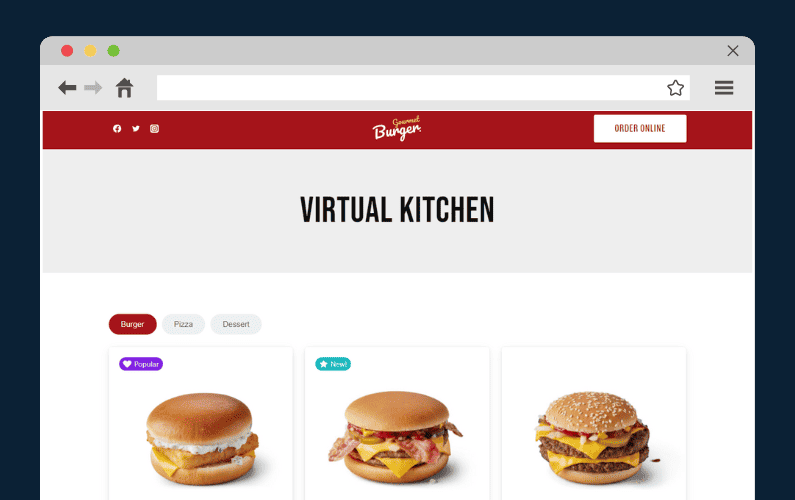
Image Source: orderable.com
How To Start A Virtual Kitchen Successfully
What is a virtual kitchen? A virtual kitchen, also known as a ghost kitchen, cloud kitchen, or dark kitchen, is a professional food preparation and cooking facility set up exclusively for the preparation of delivery-only meals. Can I start a virtual kitchen from home? Generally, no, virtual kitchens require commercial kitchen space due to health regulations and equipment needs. Who is a virtual kitchen for? They are ideal for restaurateurs looking to expand their reach without the overhead of a traditional dining space, entrepreneurs testing new food concepts, and existing restaurants seeking to optimize delivery operations.
The culinary world is changing fast. More people want their favorite meals delivered right to their door. This is where the virtual kitchen shines. It’s a smart way to run a food business. You don’t need a fancy dining room. You just need a good kitchen and a great menu. Starting one might seem tricky, but with the right plan, it can be very successful.
Setting Up Your Ghost Kitchen Foundation
The first step in building a successful virtual kitchen is a solid plan. This involves more than just great recipes. You need to think about everything from the type of food you’ll serve to where you’ll get your ingredients.
Deciphering Your Business Model
There are several ways to approach a virtual kitchen. Understanding these options helps you choose the best fit for your goals.
- Single Brand Virtual Kitchen: This is a standard setup where one brand operates solely for delivery. Think of a popular pizza place that only takes online orders.
- Multi-Brand Virtual Kitchen: Here, one kitchen facility prepares food for several different brands. This is common for larger operations that want to cater to various tastes from a single location.
- Aggregator-Owned Kitchens: Delivery apps like DoorDash or Uber Eats might have their own kitchens where multiple restaurant brands can operate.
- Shared Kitchen Space: This involves renting space in a larger commissary kitchen. You share the facilities with other food businesses. This can be a cost-effective way to start.
Market Research: Knowing Your Customers and Competitors
Before you buy a single piece of equipment, you need to know your market.
- Identify Your Target Audience: Who are you cooking for? Families, busy professionals, students? Their preferences will guide your menu and marketing.
- Analyze Local Competition: What other delivery options are available in your area? What are they doing well? Where are there gaps you can fill?
- Study Delivery Trends: What types of cuisine are most popular for delivery? What price points are common?
Crafting Your Virtual Restaurant Strategy
Your virtual restaurant strategy is key. It’s your roadmap for success in the digital food space.
- Menu Engineering:
- Delivery-Friendly Dishes: Choose items that travel well and maintain their quality. Avoid foods that get soggy or lose their texture easily.
- Profitability Analysis: Calculate the cost of each dish and set prices that ensure a good profit margin after delivery fees and ingredient costs.
- Limited but Focused Menu: Start with a curated selection of your best dishes. This simplifies operations and helps maintain consistency.
- Branding and Online Presence:
- Catchy Name and Logo: Create a memorable brand identity that stands out online.
- High-Quality Food Photography: Great pictures are crucial for online menus. They are what customers see first.
- Optimize Listings: Ensure your restaurant is listed accurately and attractively on all major delivery platforms.
The Practicalities of a Ghost Kitchen Setup
Now, let’s get into the nitty-gritty of setting up your ghost kitchen setup. This is where the planning turns into action.
Choosing Your Location Wisely
Your physical location is vital, even without dine-in customers.
- Accessibility for Delivery Drivers: Easy access for couriers is important. Proximity to major roads and delivery zones is a plus.
- Cost-Effectiveness: Look for areas with reasonable rent, especially if you’re using a commercial kitchen rental or shared kitchen space.
- Proximity to Target Customers: While not essential for walk-ins, being in an area with high demand for delivery can boost your business.
Essential Commissary Kitchen Requirements
Operating a delivery-only kitchen means adhering to specific regulations and having the right infrastructure.
- Licensing and Permits: You’ll need food handler permits, business licenses, and health department approvals. Research your local government’s specific commissary kitchen requirements.
- Health and Safety Standards: Maintaining impeccable hygiene is non-negotiable. This includes proper food storage, sanitation, and waste disposal.
- Equipment Needs:
- Cooking Equipment: Ovens, ranges, fryers, griddles, microwaves – depending on your menu.
- Refrigeration: Ample refrigerator and freezer space is crucial for ingredient storage.
- Prep Stations: Stainless steel counters for food preparation.
- Storage: Dry storage for non-perishables, shelving for dishes and supplies.
- Dishwashing Area: Industrial dishwashers and three-compartment sinks.
- Ventilation: Proper exhaust hoods are mandatory for safety and comfort.
- Packaging Supplies: High-quality containers that keep food fresh and prevent leaks during transport.
Exploring Commercial Kitchen Rental Options
One popular route for those starting out is a commercial kitchen rental.
- Shared Kitchens: These facilities offer pre-equipped kitchen spaces that you can rent by the hour, day, or month. They often come with shared amenities like storage and dishwashing areas.
- Dedicated Kitchen Units: Some facilities offer private kitchen units within a larger building. This gives you more control over your space.
- Benefits of Renting:
- Lower upfront costs compared to building your own.
- Access to professional-grade equipment.
- Often include utilities and maintenance.
- Can be a flexible solution as your business grows.
Mastering Dark Kitchen Operations and Food Delivery
The heart of a virtual kitchen is its efficient operation and seamless delivery. This is where dark kitchen operations come into play.
Streamlining Your Workflow
Efficiency is paramount in a delivery-only kitchen.
- Order Management System (OMS): A robust OMS is essential. It consolidates orders from various platforms, sends them to the kitchen, and helps manage preparation times. Many POS systems can integrate with delivery apps.
- Kitchen Display System (KDS): This digital system replaces paper tickets, showing orders directly on screens in the kitchen. It improves accuracy and speed.
- Inventory Management: Keep track of ingredients to minimize waste and ensure you always have what you need.
- Staffing: Hire skilled cooks and kitchen staff who can work efficiently in a fast-paced environment.
Optimizing Food Delivery Operations
Your customers’ experience hinges on the delivery itself.
- Delivery Platform Partnerships:
- Third-Party Apps: Platforms like DoorDash, Uber Eats, Grubhub are essential for reaching a wide customer base. Understand their commission rates and delivery zones.
- In-House Delivery: For greater control and potentially higher profits, you might consider building your own delivery fleet as you grow.
- Packaging for Transit:
- Durability: Containers must withstand handling and stacking.
- Temperature Control: Insulated packaging helps keep hot food hot and cold food cold.
- Leak Prevention: Secure lids and compartments are crucial.
- Branding: Use branded packaging to reinforce your identity.
- Delivery Zone Management: Define a realistic delivery radius based on your kitchen location and expected delivery times. Too large a zone can lead to cold food and unhappy customers.
Technology: The Backbone of Your Virtual Food Business
Technology is not just a tool; it’s an integral part of a successful virtual food business.
Key Technologies to Embrace
- Point of Sale (POS) Systems: Look for cloud-based POS systems that can integrate with delivery platforms, manage inventory, and track sales.
- Online Ordering Platforms: Your own website or a dedicated ordering system can offer more control over customer data and branding.
- Delivery Management Software: This can help optimize delivery routes, track drivers, and provide real-time updates to customers.
- Customer Relationship Management (CRM): Tools to manage customer data, feedback, and loyalty programs.
Data Analytics for Growth
Leverage the data you collect to make informed decisions.
- Sales Trends: Identify your most popular dishes and peak ordering times.
- Customer Feedback: Monitor reviews and ratings to identify areas for improvement.
- Operational Efficiency: Analyze prep times and delivery times to find bottlenecks.
Growing Your Virtual Kitchen
Once your virtual kitchen is up and running, focus on sustainable growth.
Expanding Your Reach
- Add More Brands: If you have the capacity, consider launching new virtual restaurant brands from the same kitchen to appeal to a broader audience. This is a core element of a cloud kitchen business expansion strategy.
- Explore New Delivery Platforms: Don’t limit yourself to just one or two apps.
- Direct-to-Consumer (DTC) Sales: Encourage customers to order directly from your own website or app, which can reduce commission fees and build stronger customer relationships.
Building Customer Loyalty
- Exceptional Food Quality: This is the foundation of repeat business.
- Consistent Service: Ensure every order is accurate and delivered on time.
- Customer Service: Respond promptly to customer inquiries and resolve issues efficiently.
- Loyalty Programs: Offer discounts or rewards for repeat customers.
- Engage on Social Media: Share appealing food photos, run contests, and interact with your followers.
Challenges and How to Overcome Them
Starting any business has its hurdles, and virtual kitchens are no exception.
- High Commission Fees: Delivery platforms can take a significant cut.
- Solution: Focus on increasing direct orders, negotiate with platforms, or explore alternative delivery models.
- Intense Competition: The virtual kitchen space is becoming crowded.
- Solution: Differentiate through unique offerings, superior quality, and strong branding.
- Reliance on Third-Party Apps: You have less control over the customer experience once the order leaves your kitchen.
- Solution: Invest in quality packaging and clearly communicate delivery expectations.
- Maintaining Food Quality During Transit: This is a constant challenge.
- Solution: Invest in specialized packaging, optimize delivery routes, and choose menu items that travel well.
- Building Brand Awareness: Without a physical storefront, getting noticed can be harder.
- Solution: Invest in digital marketing, social media engagement, and collaborations.
Frequently Asked Questions (FAQ)
Q1: Can I operate a virtual kitchen from my home kitchen?
A1: Generally, no. Health regulations and food safety laws require commercial kitchen facilities. Home kitchens are typically not equipped or permitted for commercial food preparation for delivery.
Q2: What are the main costs involved in starting a virtual kitchen?
A2: Key costs include kitchen rental or setup, equipment purchase or leasing, permits and licenses, initial ingredient inventory, packaging supplies, marketing, and technology subscriptions (like POS systems).
Q3: How do I price my menu items for a virtual kitchen?
A3: Calculate your food costs per dish, factor in labor, packaging, delivery platform commissions, and overhead. Then, research competitor pricing and set a price that ensures profitability while remaining competitive.
Q4: What is the difference between a ghost kitchen and a cloud kitchen?
A4: These terms are largely interchangeable and refer to the same concept: a food preparation facility used exclusively for delivery orders, without a physical dining space for customers.
Q5: How can I ensure my food arrives fresh and hot?
A5: This involves using high-quality, leak-proof, and insulated packaging, optimizing delivery routes to minimize transit time, and choosing menu items that hold their temperature and texture well during delivery.
Starting a virtual kitchen is an exciting venture into the future of the food industry. By carefully planning your virtual restaurant strategy, securing the right commissary kitchen requirements, mastering dark kitchen operations, and leveraging technology, you can build a thriving cloud kitchen business. Remember that adaptability and a keen focus on customer satisfaction are your greatest assets in this dynamic market.