Can you clean black kitchen appliances? Yes, you can easily clean black kitchen appliances to make them sparkle. This guide will show you the best ways to keep your black refrigerator, oven, and other appliances looking brand new. We’ll cover everything from removing stubborn fingerprints to achieving a streak-free shine.
Black kitchen appliances offer a sleek, modern look that can elevate any kitchen’s aesthetic. However, they can also be a magnet for dust, smudges, and fingerprints, making it a challenge to keep them looking their best. Fret no more! This comprehensive guide is designed to help you master the art of cleaning black kitchen appliances, ensuring they always shine. Whether you have a black stainless steel finish or a classic matte black look, we have the solutions you need.
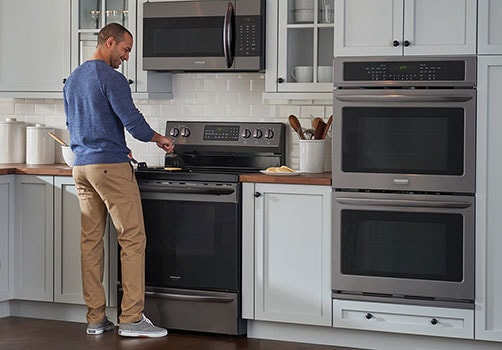
Image Source: support.frigidaire.com
The Nuances of Cleaning Black Finishes
Black appliances, in general, tend to show smudges and dust more readily than lighter colors. This is due to the way light reflects off the dark surface. For cleaning black stainless steel, the approach needs to be gentle yet effective. Unlike traditional stainless steel, black stainless steel often has a protective coating that can be damaged by abrasive cleaners or harsh scrubbing. The goal is to clean without scratching or dulling the finish, preserving its intended look.
Common Challenges with Black Appliances
- Fingerprints: These are perhaps the most persistent issue. The oils from our skin easily transfer to the dark surface, leaving unsightly marks.
- Streaks: Many cleaners can leave behind residue, creating streaks that are even more noticeable on a dark finish.
- Dust: Black surfaces attract dust particles, making regular dusting essential.
- Water Spots: If water is left to air dry, it can leave mineral deposits that appear as spots.
- Scratches: Using the wrong cleaning tools or products can lead to micro-scratches that dull the finish over time.
Essential Tools and Supplies for a Sparkling Finish
Before you begin cleaning your black kitchen appliances, gather the right supplies. Having these on hand will make the process much smoother and more effective.
- Microfiber Cloths: These are your best friends for cleaning black appliances. They are soft, absorbent, and won’t scratch the surface. Keep several on hand – one for cleaning, one for drying, and one for polishing.
- Soft Sponges: For tougher grime, opt for a non-abrasive sponge.
- Spray Bottles: For DIY cleaning solutions.
- Warm Water: A gentle base for many cleaning mixtures.
- Dish Soap: A mild degreaser.
- White Vinegar: A natural disinfectant and degreaser.
- Rubbing Alcohol (Isopropyl Alcohol): Excellent for cutting through grease and evaporating quickly, reducing streaks.
- Glass Cleaner (Ammonia-Free): Can be effective for certain finishes, but always test first.
- Specialty Cleaners: For specific finishes, a dedicated stainless steel cleaner or a cleaner formulated for black appliances might be necessary.
Step-by-Step Guide to Cleaning Black Kitchen Appliances
Let’s dive into the practical steps for making your black appliances shine. The key is to use gentle methods and the right products.
General Cleaning for Most Black Finishes
This method is suitable for most black appliances, including refrigerators and ovens.
Step 1: Dusting First
Always start by dusting the appliance with a dry microfiber cloth. This removes loose particles that could scratch the surface when you introduce moisture.
Step 2: Prepare Your Cleaning Solution
For everyday cleaning, a simple solution works wonders.
* Mix 1 cup of warm water with 1 teaspoon of mild dish soap in a spray bottle.
* Alternatively, for a natural cleaner for black appliances, mix equal parts white vinegar and water in a spray bottle. Vinegar is great for cutting through grease and grime.
Step 3: Apply the Solution
* Lightly spray the solution onto a clean microfiber cloth, not directly onto the appliance. This prevents excess moisture from seeping into crevices.
* For stubborn spots, you can spray a little directly onto the spot, but be cautious and work quickly.
Step 4: Wipe Down the Surface
* Gently wipe the appliance in the direction of the grain if applicable (especially for black stainless steel).
* Use a second, clean, damp microfiber cloth to wipe away any soap or vinegar residue.
Step 5: Dry and Buff
* Immediately dry the appliance with a clean, dry microfiber cloth. Buff in a circular motion or along the grain to achieve a streak-free shine. This is crucial for cleaning black appliances without streaks.
Tackling Fingerprints on Black Appliances
How to remove fingerprints black appliances is a common question. The oils in fingerprints are the main culprit.
Method 1: Microfiber and Water
Often, a clean, damp microfiber cloth is enough to wipe away fresh fingerprints. Follow with a dry buffing.
Method 2: Dish Soap Solution
The mild dish soap and water mixture mentioned earlier is also effective for fingerprints.
Method 3: Rubbing Alcohol
For stubborn or greasy fingerprints:
* Dampen a microfiber cloth with rubbing alcohol.
* Wipe the affected area. Alcohol evaporates quickly, minimizing the risk of streaks.
* Follow immediately with a dry microfiber cloth to buff.
Important Note: Avoid using paper towels, as they can be abrasive and leave lint.
Cleaning Black Stainless Steel
Cleaning black stainless steel requires extra care. Many standard stainless steel cleaners can be too harsh.
- Check Manufacturer’s Instructions: Always refer to your appliance’s manual first. They often recommend specific cleaning methods or products.
- Use Gentle Products: Stick to mild dish soap, water, or a dedicated stainless steel cleaner that is safe for black stainless steel. Look for cleaners specifically labeled for black stainless steel.
- Wipe with the Grain: Black stainless steel often has a subtle grain. Wiping in the direction of this grain helps prevent streaks and maintains the finish.
- Avoid Abrasives: Never use steel wool, scouring pads, or abrasive cleaners. These will scratch the surface.
- Test First: If using a new cleaner, test it on an inconspicuous area first.
Best Way to Clean Matte Black Appliances
Matte finishes can be tricky because they don’t have the same reflective quality as glossy finishes, and smudges can appear more pronounced. The best way to clean matte black appliances involves gentle techniques.
- Microfiber is Key: Stick to soft microfiber cloths.
- Mild Solutions: A gentle mixture of water and a tiny amount of mild dish soap is often the best cleaner for black appliances with a matte finish.
- Avoid Waxes and Polishes: These can alter the matte appearance, making it look uneven or glossy.
- Damp Cloth Only: For daily touch-ups, a slightly damp microfiber cloth might be all you need.
- Work in Sections: Clean and dry a small section at a time to prevent the cleaner from drying on the surface and causing streaks.
Specific Appliance Cleaning Tips
Cleaning Black Refrigerator
Your cleaning black refrigerator involves more than just the exterior.
- Exterior: Follow the general cleaning steps using microfiber cloths and mild solutions. Pay attention to handles, control panels, and ice dispensers.
- Interior: Empty the refrigerator. Use a solution of baking soda and water (2 tablespoons baking soda to 1 quart of water) or a mild soap solution. Wipe down shelves and drawers. Rinse with a damp cloth and dry thoroughly.
- Coils: Periodically pull the refrigerator out and vacuum the condenser coils at the back or bottom. Dirty coils make the refrigerator work harder, consuming more energy.
Cleaning Black Oven
Cleaning a cleaning black oven can be more intensive, especially with baked-on grease.
- Self-Cleaning Feature: If your oven has a self-cleaning cycle, consult your manual on how to use it. Ensure good ventilation during the cycle. After it cools, wipe away any ash residue with a damp cloth.
- Manual Cleaning (Non-Self-Cleaning Ovens):
- Interior: For baked-on grease, a paste of baking soda and water can be effective. Apply it to the soiled areas, let it sit for a few hours or overnight, then gently scrub with a non-abrasive sponge or cloth. Wipe clean with damp cloths and dry.
- Oven Door Glass: Use a glass cleaner (ammonia-free recommended) or the vinegar/water solution. For stubborn baked-on food, the baking soda paste can also be used on the glass.
- Exterior: Follow the general cleaning steps. Pay special attention to the control panel.
Shining Black Appliances
Achieving that final polish is what makes your appliances truly shining black appliances.
- Buffing is Key: After cleaning and drying, use a clean, dry microfiber cloth to buff the surface. Gentle, circular motions or following the grain of black stainless steel can enhance the shine.
- Natural Polish (Optional): For a bit of extra shine on some black finishes (check manufacturer guidelines!), a tiny amount of olive oil or mineral oil applied with a microfiber cloth and then buffed can provide a subtle sheen. Use sparingly, as too much can attract dust.
Dealing with Stubborn Stains and Marks
Sometimes, general cleaning isn’t enough. Here’s how to handle tougher issues.
Grease Splatters
- Solution: Warm water with a few drops of dish soap is usually effective. For tougher grease, the vinegar and water solution or rubbing alcohol can be used.
- Technique: Apply the solution to a cloth, not directly to the appliance. Gently rub the greasy area. For very stubborn spots, let the solution sit for a minute before wiping.
Water Spots
- Solution: Vinegar and water solution.
- Technique: Wipe the spots with the vinegar solution on a microfiber cloth. Dry immediately with a clean, dry cloth.
Hard Water Stains
- Solution: A stronger vinegar solution (1 part vinegar to 1 part water) or a dedicated cleaner for hard water stains (ensure it’s safe for your appliance finish).
- Technique: Apply to a cloth and gently rub. Rinse with a damp cloth and dry thoroughly.
Scratches and Scuffs
- Minor Scuffs: Sometimes, buffing with a clean, dry microfiber cloth can diminish the appearance of very light scuffs. For black stainless steel, buffing in the direction of the grain might help blend the scuff.
- Deeper Scratches: Unfortunately, deep scratches are difficult to remove without professional help or specific repair kits for the appliance finish. Avoid products that claim to “fill” scratches, as they often don’t work well on appliance finishes and can create a worse appearance. The best approach is prevention by using the correct cleaning tools.
Prevention Tips for Maintaining Your Black Appliances
The best way to keep your black kitchen appliances looking great is to prevent dirt and smudges from building up in the first place.
- Clean Spills Immediately: Wipe up any spills or splatters as soon as they happen. This prevents them from drying and becoming harder to remove.
- Regular Dusting: A quick wipe-down with a dry microfiber cloth every few days can prevent dust from accumulating.
- Use Handles: Encourage everyone in the household to use the appliance handles rather than touching the main surfaces.
- Appliance Cleaners: Use the recommended cleaner for your specific appliance type and finish.
- Avoid Harsh Chemicals: Never use abrasive cleaners, steel wool, or ammonia-based cleaners unless specifically instructed by the manufacturer.
Choosing the Right Cleaner: What to Look For
When purchasing a cleaner, consider the following:
| Cleaner Type | Best For | Cautions |
|---|---|---|
| Microfiber Cloths | All surfaces, dusting, cleaning, polishing | Always use clean cloths. |
| Mild Dish Soap | General cleaning, grease removal | Use sparingly; rinse well. |
| White Vinegar & Water Solution | Degreasing, natural cleaning, disinfecting | Can be too acidic for some finishes; dilute properly. |
| Rubbing Alcohol (Isopropyl) | Fingerprints, streak removal | Evaporates quickly; can be drying. |
| Ammonia-Free Glass Cleaner | Glass surfaces, some appliance finishes | Test first; can damage certain coatings. |
| Dedicated Black Stainless Steel Cleaner | Black stainless steel appliances | Follow product instructions carefully; ensure it’s for black finishes. |
| Specialty Appliance Cleaners | Specific finishes (e.g., matte black) | Always check compatibility with your appliance model and finish. |
Stainless Steel Cleaner: If you have black stainless steel, ensure the stainless steel cleaner you choose is specifically formulated for black finishes, or test it in an inconspicuous area first.
Frequently Asked Questions (FAQ)
Q1: What is the best cleaner for black appliances?
The best cleaner for black appliances is generally a soft microfiber cloth with warm water and a tiny amount of mild dish soap. For tougher grime or fingerprints, a solution of equal parts white vinegar and water, or rubbing alcohol on a cloth, can be effective. Always check your appliance’s manual for specific recommendations.
Q2: Can I use Windex on black stainless steel?
It’s generally not recommended to use Windex or other ammonia-based glass cleaners on black stainless steel. Ammonia can potentially damage the protective coating and lead to discoloration or streaking. Stick to milder solutions or cleaners specifically designed for stainless steel.
Q3: How do I remove water spots from my black refrigerator?
Water spots can be removed using a solution of equal parts white vinegar and water. Apply the solution to a microfiber cloth and gently wipe the spots. Follow up immediately by drying and buffing with a clean, dry microfiber cloth to prevent new spots from forming.
Q4: My black oven has baked-on grease. What’s the best way to clean it?
For baked-on grease inside a black oven, a paste made from baking soda and water is a great natural cleaner for black appliances. Apply the paste to the greasy areas, let it sit for several hours or overnight, then gently scrub with a non-abrasive sponge. Wipe clean with damp cloths and dry thoroughly. For severe buildup, use the oven’s self-cleaning feature if available, following the manufacturer’s instructions.
Q5: How can I keep my black appliances looking shiny and new?
To keep your black appliances shining black appliances, regular maintenance is key. Dust them frequently with a dry microfiber cloth. Wipe up spills immediately. When cleaning, always use soft cloths and gentle cleaners, and thoroughly dry and buff the surface after cleaning to prevent streaks.
By following these tips and techniques, you can ensure your black kitchen appliances remain a stunning feature of your kitchen, always looking clean, bright, and impeccably maintained. Enjoy your sparkling clean appliances!