A kitchen island is a focal point and workhorse in many homes. People often wonder about its height. So, how high is a kitchen island? What is the standard kitchen island height? The most common heights are around 36 inches (counter height) and 42 inches (bar height), though some can be lower or taller depending on their use. This guide will break down these heights and help you find the right fit for your kitchen.
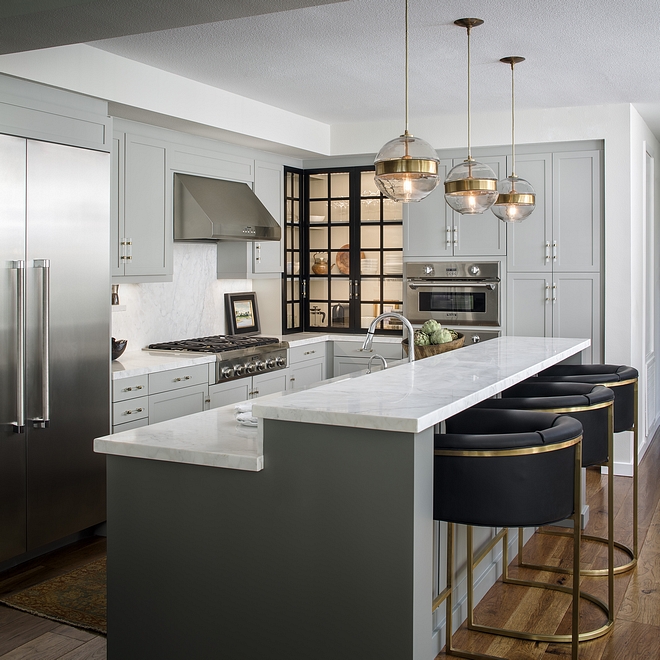
Image Source: www.clarkandaldine.com
Decoding Standard Island Heights
Kitchen islands come in different heights. These heights usually match common countertop or bar levels. Knowing these standards helps you plan your kitchen design.
The main standard heights are:
- Counter height (about 36 inches)
- Bar height (about 42 inches)
These are the most popular options. They fit well with typical kitchen layouts and activities. Let’s look at each one more closely.
The Typical Counter Height Island
The most frequent island height you will see is counter height. This means the top surface of the island sits at the same level as your kitchen counters.
- Standard Kitchen Island Height: This is usually about 36 inches (91 cm) from the floor to the top of the island surface.
Why is this height so common? It matches standard kitchen countertops. This creates a smooth look and feel in the kitchen. It’s also a comfortable height for many tasks.
What Makes 36 Inches Popular?
This height is popular for good reasons.
- Matches Countertops: It lines up perfectly with your existing counters. This makes the kitchen look tidy and planned.
- Good for Working: For most adults, 36 inches is a good height for preparing food. Chopping vegetables, rolling dough, or mixing ingredients feels natural at this level. It helps reduce bending and strain. This relates to an ergonomic island height for many people.
- Easy to Clean: The surface is at a reachable height for wiping down spills and crumbs.
- Fits Standard Appliances: Some smaller appliances, like standing mixers, are designed to work comfortably at this height.
A counter height kitchen island is versatile. It works well as a main prep area, an extra serving space, or even a place for casual eating.
Using a Counter Height Island
People use counter height islands in many ways.
- Food Prep: This is its main job for many. It gives you more space to chop, mix, and prepare meals.
- Serving Buffet: For parties or family meals, it makes a great spot to lay out food.
- Homework Station: Kids can sit here for homework while you cook nearby.
- Casual Dining: With the right stools, people can sit and eat simple meals or snacks.
Seating at Counter Height
If you want seating at a counter height island, you need specific stools. The island height for seating here is 36 inches.
- Kitchen Island Stool Height: For a 36-inch island, stools usually have a seat height between 24 and 26 inches (61-66 cm). This allows enough space between the seat and the island top for comfort. Aim for about 10 to 12 inches between the seat and the counter.
It’s important to get the stool height right. Stools that are too tall or too short will make sitting uncomfortable.
Advantages of Counter Height
- Looks integrated with the rest of the kitchen counters.
- Excellent for food preparation and other kitchen tasks.
- Comfortable standing height for most adults.
- Plenty of seating options are available at this height.
- Offers a large, continuous work surface if it matches surrounding counters.
Things to Think About with Counter Height
- If used for seating, the eating surface is the same as the work surface. This might not be ideal if you leave prep items out.
- The stools need to be specific counter height stools.
Overall, a counter height island is a popular and practical choice for many homes. It offers a good balance of workspace and potential seating.
The Popular Bar Height Island
Another common option is the bar height kitchen island. This island style is taller than standard counters.
- Bar Height Kitchen Island: This height is usually about 42 inches (107 cm) from the floor to the top surface.
This height is similar to the tops of bars in restaurants or pubs. It creates a different feel and function compared to a counter height island.
Why Choose 42 Inches?
Bar height has its own set of benefits.
- Creates a Visual Break: The taller height sets the island apart from the rest of the kitchen counters.
- Hides Clutter: The raised surface can help hide some of the mess on the main counter area from view. This is great for open-plan homes.
- Comfortable for Standing: It’s a good height for quick chats or standing around with a drink. It’s often considered a comfortable leaning height.
- Dedicated Seating Area: Bar height islands are often designed specifically with seating in mind.
Using a Bar Height Island
Bar height islands are great for socializing and casual eating.
- Casual Meals: Perfect for breakfast, snacks, or a quick cup of coffee.
- Social Hub: Guests can gather here while you finish cooking.
- Separate Eating Area: It clearly defines a space for eating, separate from the main prep area.
- Buffet Service: Like counter height, it works for serving food, but the higher level might be better for standing guests.
Seating at Bar Height
Bar height islands require taller stools.
- Kitchen Island Stool Height: For a 42-inch island, stools usually have a seat height between 28 and 30 inches (71-76 cm). Again, aim for about 10 to 12 inches of space between the seat and the island top.
Getting the right bar stool height is crucial for comfort and looks.
Advantages of Bar Height
- Clearly separates the kitchen workspace from a seating or social area.
- The raised surface helps hide mess from sightlines, especially in open layouts.
- Provides a comfortable standing spot for gathering.
- Creates a distinct dining or seating zone.
- Adds visual interest with varying counter levels.
Things to Think About with Bar Height
- Not ideal for strenuous food prep like chopping, as it’s too high for many people to comfortably work standing up for long periods.
- Requires specific, taller bar stools, which can sometimes be more expensive or harder to find.
- Might not be comfortable for very young children or shorter adults to sit at.
- Less continuous work surface if the rest of your counters are standard height.
A bar height island works well when its main job is to be a social spot or a casual eating area. It sacrifices some prep utility for these benefits.
Islands with Two Heights
Some islands combine both counter height and bar height. These are often called multi-level islands.
- One section is typically 36 inches high, good for prep.
- Another section is raised to 42 inches high, perfect for seating.
This design gives you the best of both worlds. You get a comfortable prep area and a separate, raised eating or social zone.
Benefits of Multi-Level Islands
- Combines the benefits of both standard heights.
- Provides dedicated areas for different tasks (prep vs. eating).
- The raised section hides the lower work area mess.
- Adds dynamic visual appeal to the kitchen design.
Things to Think About
- Costs can be higher due to more complex construction.
- Might take up more space to have distinct levels.
- The total usable surface area might be less than a single-level island of the same footprint.
Multi-level islands are a good option if you want distinct zones and use your island for both serious cooking and casual gathering.
Finding the Right Island Height for You
Choosing the right kitchen island height depends on how you plan to use it and who will use it.
- Primary Use: Is it mainly for food prep? Eating meals? A social spot?
- Who Uses It? Are you tall or short? Do you have young children?
- Kitchen Layout: Is it an open plan where you want to hide clutter?
- Style: Do you prefer a uniform look or different levels?
Let’s look at how height affects different uses.
Island Height for Seating
If seating is a key reason for your island, height is very important.
- Counter Height (36″): Needs 24-26″ stools. Good for casual seating, homework, quick meals. The surface is lower and easier for kids or shorter adults to reach.
- Bar Height (42″): Needs 28-30″ stools. Creates a true bar feel. Hides clutter from the seated area. May be too high for young children without special booster seats.
- Lower Height (around 30″): Needs 18-20″ chairs (like dining chairs). This makes the island a dining table height. It’s very comfortable for eating meals and might be good for activities like board games.
Think about who will sit there most often. Make sure the height and matching stool height are comfortable for them.
Ergonomic Island Height for Tasks
Ergonomics means designing things for efficiency and comfort. A good ergonomic island height helps you work without strain.
- Food Preparation: For chopping, mixing, etc., a height around 36 inches is often best for people of average height. Your elbows should be bent at about a 90-degree angle while working on the surface. If you are taller or shorter than average, you might prefer a slightly different height for the most comfortable prep work.
- Baking: Some bakers prefer a slightly lower surface, around 30-32 inches. This height can be better for kneading dough or rolling out pastry, allowing you to use your body weight more effectively. This is an example of when a lower kitchen island height might be useful.
- Washing Up (with sink): If your island has a sink, the height needs to be comfortable for standing and washing dishes. 36 inches works well with standard sink depths.
- Sitting Tasks: If you plan to sit and work on the island (like peeling vegetables or doing paperwork), having a seated height section (around 30 inches) is most ergonomic.
Consider your own height and the tasks you do most. While 36 inches is the average kitchen island height for prep, it’s not perfect for everyone or every task.
Table: Height and Task Comfort
| Island Height | Comfortable For… | Less Comfortable For… |
|---|---|---|
| ~30 inches | Sitting (dining), Baking, Kids’ activities | Standing prep (too low) |
| ~36 inches | Standing Prep, General Work, Sitting (with stools) | Sitting (without stools), Very tall/short users |
| ~42 inches | Standing (leaning), Sitting (with tall stools), Hiding mess | Standing Prep (too high), Sitting for small children |
Other Island Heights and Considerations
While 36 and 42 inches are standard, kitchen islands can be other heights too.
Lower Kitchen Island Height
As mentioned, a lower kitchen island height, typically around 30 inches, turns your island into a dining table.
- Height: Around 30 inches (76 cm).
- Use: Primarily for seated dining with regular chairs. Comfortable for board games, crafts, or laptop work while seated.
- Stools/Chairs: Uses standard dining chairs with seat heights around 18-20 inches.
This is a great option if you want your island to function as the main eating area or if you prefer sitting while you work in the kitchen.
Tall Kitchen Island Height
Sometimes you see islands even taller than 42 inches.
- Height: Can be 48 inches or even higher.
- Use: These are less common as main functional surfaces. They might be used more as tall bars for entertaining or simply as architectural features. Not practical for food prep.
- Stools: Require very tall custom stools.
A tall kitchen island height is more about making a visual statement or providing a very casual, standing/leaning gathering spot rather than a work surface.
Variable Height Islands
Some modern islands have adjustable heights. Using hydraulic or electric lifts, the counter surface can move up or down.
- Use: Allows the island to be counter height for prep, lower for baking or seating, and even taller.
- Benefits: Offers maximum flexibility and ergonomic customization for different users and tasks. Great for households with people of different heights or with specific needs.
These are more expensive and complex but offer excellent flexibility.
Beyond Height: Kitchen Island Dimensions
Height is just one part of planning an island. You also need to think about kitchen island dimensions like width and depth.
- Width (Length): How long is the island? This depends on your space and needs. An island can be as short as 4 feet or much longer. Consider leaving enough walkway space around it (ideally 36-42 inches).
- Depth (Width): How wide is the island from front to back? A minimum depth for a work surface is often 24 inches. If you want seating on one side, you need an overhang.
Island Overhang for Seating
If your island is going to have seating, you need counter overhang for people’s knees.
- Counter Height (36″): Needs at least 12 inches of overhang. 15 inches is more comfortable.
- Bar Height (42″): Needs at least 9 inches of overhang. 12 inches is more comfortable.
- Table Height (30″): Needs at least 18 inches of overhang for standard dining chairs.
Make sure your island depth includes this overhang space. A typical counter height island with seating might be 24 inches deep (work surface) + 12-15 inches (overhang) = 36-39 inches total depth.
Adding Outlets
Think about adding electrical outlets to your island. This is very useful for using small appliances or charging devices. Plan for this during the design phase.
Storage
Islands offer valuable storage space. Cabinets, drawers, or open shelves beneath the counter add function. The height of the island affects the amount and type of storage you can fit. A taller island might allow for more drawer stacks.
Making the Right Choice
Choosing the right island height is a big decision for your kitchen. It impacts how you use the space every day.
- Assess Your Needs: List the main things you want your island to do: prep, dining, homework, socializing, storage, etc.
- Consider Your Users: Who will use it most? What are their heights? Do you need to accommodate children or people with mobility issues?
- Look at Your Space: How much room do you have? Does the island height fit visually with the rest of the kitchen?
- Think About Seating: If seating is needed, how many people? What style of seating do you want? This strongly links to island height and needed overhang.
- Match Your Style: Does the height fit the overall look and feel you want for your kitchen?
Don’t be afraid to mimic heights in your current home. Use boxes or temporary setups to see what 36 inches or 42 inches feels like for you personally when standing or sitting. This physical test can be very helpful.
Table: Quick Height Guide
| Height (approx.) | Primary Use | Stool Height (approx.) | Overhang (min) | Common Stools |
|---|---|---|---|---|
| 30 inches | Seated Dining, Baking | 18-20 inches | 18 inches | Dining Chairs |
| 36 inches | Food Prep, Work, Casual Sit | 24-26 inches | 12-15 inches | Counter Stools |
| 42 inches | Casual Sit, Social, Hiding Prep | 28-30 inches | 9-12 inches | Bar Stools |
Remember, the average kitchen island height is 36 inches, but this is just a starting point. Your perfect island height is the one that best meets your specific needs and makes your kitchen a joy to use.
Considering all the kitchen island dimensions, especially height, will ensure your island is not just a beautiful addition but a truly functional part of your home. Whether you need a lower kitchen island height for dining or a tall kitchen island height for a bar feel, planning ahead is key. An ergonomic island height tailored to your tasks and users can make a big difference in daily comfort.
Planning Your Island Purchase or Build
Once you have an idea of the height you want, here are some next steps.
- Measure Your Space: Double-check the available space. Make sure you have enough room for the island itself and comfortable walkway space around all sides (at least 3 feet is recommended).
- Factor in Construction: If building a custom island, work with a designer or contractor. They can help make sure the height is correct and stable.
- Consider Materials: The material of the countertop might slightly affect the final height. Discuss this with your supplier.
- Shop for Stools Early: If seating is important, start looking at stools early. Their design and size can influence how much overhang you need and the overall look. Remember the kitchen island stool height must match your chosen island height.
Getting the height right is fundamental to a successful kitchen island. It impacts workflow, comfort, seating options, and the look of your entire kitchen. Take your time, consider your options, and choose the height that will make your island the perfect fit for your home.
This wraps up our look at how high is a kitchen island. From the common counter height kitchen island to the raised bar height kitchen island, and other heights in between, the right choice depends on your unique needs and how you live in your kitchen. Remember to consider the island height for seating, ensure an ergonomic island height for your tasks, and think about overall kitchen island dimensions. Whether you choose a lower kitchen island height or a tall kitchen island height, planning will help you create a functional and beautiful space.
Frequently Asked Questions (FAQ)
Q: What is the average height of a kitchen island?
A: The average kitchen island height is 36 inches, which matches the standard height of most kitchen countertops. This is often called counter height.
Q: What is the difference between counter height and bar height islands?
A: Counter height islands are typically 36 inches tall, matching standard kitchen counters. Bar height islands are taller, usually 42 inches, creating a raised surface often used for casual seating or hiding the main work area.
Q: How much overhang do I need for island seating?
A: The amount of overhang needed depends on the island height. For counter height (36″), aim for at least 12 inches, but 15 inches is better. For bar height (42″), at least 9 inches, but 12 inches is better. For table height (30″), you need at least 18 inches. This space is for comfortable knee room.
Q: What height stools do I need for a 36-inch island?
A: For a 36-inch counter height island, you need counter height stools. These typically have a seat height between 24 and 26 inches.
Q: What height stools do I need for a 42-inch island?
A: For a 42-inch bar height island, you need bar height stools. These typically have a seat height between 28 and 30 inches.
Q: Can a kitchen island be shorter than 36 inches?
A: Yes, a kitchen island can be shorter. A common lower kitchen island height is around 30 inches, which matches standard dining table height. This is ideal if you want to use your island primarily for seated dining with chairs.
Q: Is 42 inches too high for a kitchen island?
A: 42 inches is a standard bar height. It’s not too high if your main use is for casual seating, socializing, or creating a visual break/hiding mess. However, it is generally too high for comfortable, prolonged food preparation tasks.
Q: How deep should a kitchen island be?
A: The working part of an island is often at least 24 inches deep, similar to standard counters. If adding seating, you need to add the necessary overhang (12-18 inches depending on height), making the total depth potentially 36-42 inches or more.
Q: How much space should be around a kitchen island?
A: It is recommended to have at least 36 inches (91 cm) of walkway space around all sides of the island. If it’s a high-traffic area or there are appliances or drawers opening nearby, 42 inches (107 cm) is better.
Q: Does island height affect storage?
A: Yes, island height can affect storage. Taller islands (like 36″ or 42″) can often accommodate more standard-sized cabinet or drawer components compared to a lower (30″) island. The internal layout will also depend on whether you have seating overhang, which reduces the depth available for cabinets on that side.