The ideal kitchen island overhang depth for seating is typically 12 inches for standard dining, and 15 inches for more comfortable bar-style seating, ensuring adequate legroom.
Your kitchen island is more than just a countertop; it’s the heart of your kitchen, a gathering place, and often a functional workspace. One of the most crucial design elements that dictates its usability and comfort is the overhang. Get this wrong, and your island can feel cramped or even unstable. Get it right, and you unlock a world of comfort, style, and extended functionality. This guide will help you navigate the intricacies of kitchen island overhangs, from essential calculations to aesthetic considerations.
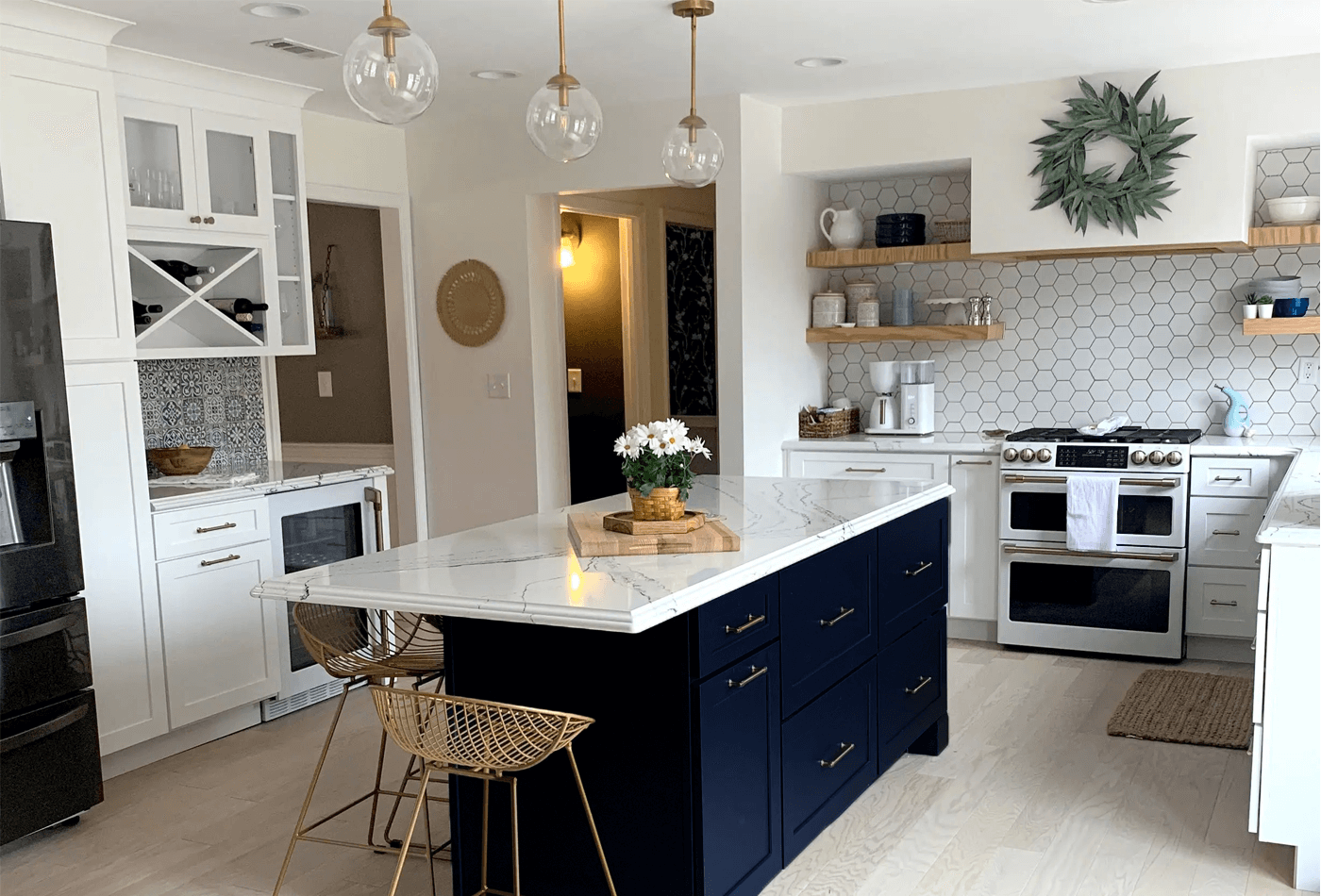
Image Source: dropinblog.net
The Purpose of an Overhang
An overhang on a kitchen island serves several vital purposes:
- Seating Comfort: This is perhaps the most common reason for an overhang. It provides space for people to sit comfortably without their knees hitting the island base.
- Aesthetics: An overhang can break up the visual weight of a solid island, giving it a more refined and inviting appearance. It can create a natural transition between the countertop and the seating area.
- Protection: A slight overhang can protect the cabinet base from spills and splashes, making cleanup easier.
- Workspace Extension: For those who use their island for meal prep or as a serving area, an overhang can provide extra counter space.
Calculating the Right Kitchen Island Overhang Depth
When we talk about kitchen island overhang depth, we’re referring to the distance the countertop extends beyond the cabinet base. This measurement is critical for both function and safety.
Standard Kitchen Island Overhang
The standard kitchen island overhang varies depending on its intended use.
-
For Countertop Use Only (No Seating): If your island will primarily be used for prep work, display, or as a casual landing spot, an overhang of 1 to 1.5 inches is sufficient. This minimal overhang offers a clean look and protects the cabinet edges.
-
For Seating: This is where the overhang becomes significantly more important. The required depth depends on the type of seating.
-
Dining Height Seating (Standard Table Height – 30-34 inches): For comfortable dining, you’ll want at least 12 inches of clear kitchen island overhang depth. This allows diners to sit with enough legroom. For even greater comfort, especially if people tend to linger at the table, 15 inches is better.
-
Bar Height Seating (40-42 inches): For bar stools, the required overhang increases. A 15-inch overhang is a good starting point for comfort. If you want a more generous space for people to eat and converse, aiming for 18 inches is ideal. This is often referred to as bar seating overhang depth.
-
Island Seating Overhang Considerations
When planning for island seating overhang, think about how people will actually use the space.
- Chair vs. Stool: Taller bar stools with backs might require slightly more overhang than backless counter stools.
- Legroom: Consider the average height of your family and guests. Taller individuals will appreciate more legroom.
- Traffic Flow: Ensure the overhang doesn’t impede pathways around the island. People need space to walk behind those who are seated.
- Countertop Material: The thickness and strength of your countertop material will influence how much overhang you can safely accommodate.
Countertop Overhang Calculations: Material Matters
The material of your countertop plays a significant role in determining the maximum safe overhang. Some materials are more prone to cracking or breaking under stress.
Common Countertop Materials and Their Overhang Capacities
| Countertop Material | Typical Minimum Thickness | Maximum Recommended Free (Unsupported) Overhang | Notes on Overhang Support |
|---|---|---|---|
| Laminate | 3/4 inch (1.9 cm) | 12 inches (30.5 cm) | Can bow over time with significant overhang. May require additional support. |
| Solid Surface (e.g., Corian) | 1/2 inch (1.27 cm) | 14 inches (35.5 cm) | Generally strong, but thicker slabs are recommended for larger overhangs. |
| Quartz | 3/4 inch (1.9 cm) | 13-15 inches (33-38 cm) | Very strong, but be mindful of cantilevered sections. Check manufacturer specs. |
| Granite | 3/4 inch (1.9 cm) | 12-15 inches (30.5-38 cm) | Strength varies by type. Thicker slabs (1.25 inches / 3.17 cm) are better for overhangs. |
| Marble | 3/4 inch (1.9 cm) | 10-12 inches (25.4-30.5 cm) | Softer and more prone to chipping and cracking. Thicker slabs are essential. |
| Butcher Block | 1.5 inches (3.8 cm) | 10-12 inches (25.4-30.5 cm) | Can be susceptible to warping. Thicker wood is more stable. |
| Concrete | 1.5 inches (3.8 cm) | 12-18 inches (30.5-45.7 cm) | Strength depends heavily on the mix and reinforcement. Professional installation is key. |
| Quartzite | 3/4 inch (1.9 cm) | 12-15 inches (30.5-38 cm) | Extremely durable, similar to granite. |
Important Note: These are general guidelines. Always consult with your countertop fabricator and installer for specific recommendations based on the exact material, slab thickness, and intended load. They will know the material’s tensile strength and how to best support it.
Maximizing Kitchen Island Overhang
If you want to maximize your kitchen island overhang, especially for a dining or gathering space, consider these factors:
- Thicker Countertop Material: Opting for a thicker slab (e.g., 1.25 inches or 3 cm instead of 3/4 inch or 2 cm) significantly increases its strength and ability to support a larger overhang without additional support.
- Sturdy Support Systems: This is crucial when pushing the limits of standard overhangs.
Kitchen Island Overhang Support Systems
When the desired overhang exceeds the material’s natural load-bearing capacity, or for added peace of mind, support systems are essential. These ensure stability and prevent breakage.
Types of Kitchen Island Overhang Support
-
Overhanging Countertop Brackets: These are the most common and versatile support systems. They are typically made of steel or metal and mount directly to the island’s cabinet base or a reinforcing sub-structure. They are installed underneath the countertop, often hidden from view.
- Types of Brackets:
- Standard L-Brackets: Simple and effective, they come in various sizes and strengths.
- Hidden/Floating Brackets: These are designed to be completely concealed within the countertop or cabinet structure, creating a “floating” look. They often involve counter-drilling into the underside of the stone or wood.
- Gusseted Brackets: These have angled supports (gussets) for extra strength, ideal for very long or heavy overhangs.
- Types of Brackets:
-
Knee Braces: These are angled supports that attach from the island cabinet leg or apron to the underside of the countertop. They offer robust support but can intrude on legroom if not positioned carefully.
-
Legs or Pedestals: For substantial overhangs, particularly on a dining island overhang where multiple people will be seated, adding a support leg or a decorative pedestal to the seating side is a practical solution. This provides full support at the edge of the overhang.
-
Reinforced Sub-Structure: In some cases, especially with granite or stone, a steel frame or plywood sub-top can be integrated into the island’s construction to distribute weight and allow for larger unsupported spans.
When Do You Need Support?
As a general rule of thumb for countertop overhang calculations:
- Overhangs exceeding 10-12 inches often require some form of support, especially for heavier materials like granite or marble.
- For quartz and solid surface, 12-15 inches is often considered the maximum unsupported overhang, but always check manufacturer guidelines.
- Laminate and thinner woods may need support for overhangs as little as 8-10 inches.
- Any overhang that will bear significant weight (e.g., people leaning on it, heavy appliances) needs robust support.
The key is to prevent the countertop from bowing, cracking, or becoming unstable. Your fabricator will be your best resource here. They can advise on the appropriate bracket type, size, and placement based on your chosen material and desired overhang.
Different Island Styles and Their Overhang Implications
The design of your island can influence your overhang choices.
The Waterfall Island Overhang
A waterfall island overhang refers to the sides of the countertop that extend vertically down to the floor, mimicking a waterfall. In this style, the horizontal overhang for seating is calculated the same way as any other island. However, the vertical waterfall edge itself is part of the design and doesn’t typically function as seating space.
- Consideration: If your waterfall island also has seating on the opposite side, ensure the waterfall edge doesn’t restrict the legroom of the seated guests.
Islands with Integrated Tables
Some islands are designed with a built-in table extension. This often means a larger, continuous surface that might have a different overhang strategy.
- Dining Island Overhang: For an island that doubles as a dining table, a generous overhang of 15-18 inches on the dining side is common. This ensures comfort for diners at a standard table height.
Islands with Drawer or Appliance Cabinets on the Seating Side
If you have cabinets, drawers, or appliances integrated into the island on the seating side, this significantly reduces the available overhang space.
- Overhang for Kitchen Island Chairs: In such cases, the overhang is limited by the depth of the cabinet box. You’ll need to factor in the cabinet’s depth plus the desired overhang. This often means a smaller overhang, perhaps 6-8 inches, which might be sufficient for stools but less ideal for chairs or dining.
Ergonomics and Comfort
Beyond just numbers, consider the human element.
Island Seating Overhang and Legroom
- Knee Clearance: The primary concern for seating is adequate knee clearance. For comfortable dining, you need about 12 inches of clear space from the edge of the overhang to the cabinet face. For bar seating, 15 inches is better.
- Stool/Chair Design: The thickness of your stool or chair seats will reduce the effective legroom. A thick upholstered seat will require a slightly deeper overhang than a thin wooden stool.
- Knee Banging: When planning overhang for kitchen island chairs, think about how people sit. If they tend to tuck their legs under, a deeper overhang is more forgiving.
Seating Arrangement and Traffic Flow
- Number of Seats: How many people do you envision sitting at your island? Each person needs adequate elbow room and legroom.
- Traffic Aisles: Ensure there’s at least 36-42 inches of clear space behind seated guests for people to walk past comfortably. This is crucial when maximizing kitchen island overhang.
Common Mistakes to Avoid
- Ignoring Countertop Material Strength: Assuming all materials can handle the same overhang is a recipe for disaster. Always check with your fabricator.
- Underestimating Legroom Needs: A 10-inch overhang might sound okay on paper, but in reality, it can feel cramped for dining. Err on the side of more space.
- Forgetting About Support: A beautiful, large overhang is useless if it’s unstable or cracks. Plan for appropriate kitchen island overhang support early in the design process.
- Placing Cabinets on the Seating Side: If you want significant seating overhang, avoid placing deep cabinets or appliances on that side.
Frequently Asked Questions (FAQ)
Q1: What is the minimum overhang for a kitchen island with seating?
A: The minimum recommended overhang for comfortable seating is 10-12 inches for dining height and 12-15 inches for bar height. Anything less can feel cramped.
Q2: Can I have a 15-inch overhang on a granite island without support?
A: For a standard 3/4-inch thick granite slab, a 15-inch overhang is pushing the limits and may require support, especially if it’s a high-traffic area or the granite type is softer. A thicker slab (1.25 inches) or strategic support brackets are highly recommended for a 15-inch overhang. Always consult your fabricator.
Q3: How much overhang do I need for stools at my kitchen island?
A: For bar-height islands (around 40-42 inches high), you’ll need at least 12-15 inches of overhang for stools. 15 inches provides more comfortable legroom.
Q4: What is a waterfall island overhang?
A: A waterfall island overhang refers to the countertop material extending vertically down the sides of the island to the floor. The horizontal overhang for seating is calculated separately.
Q5: How do I support a large kitchen island overhang?
A: Large overhangs are supported using hidden steel brackets, knee braces, or even legs/pedestals. The type of support depends on the overhang size, countertop material, and desired aesthetic. Your fabricator will specify the best kitchen island overhang support solution.
Q6: Can I put drawers on the seating side of my island?
A: You can, but it will significantly limit your overhang. If you place standard cabinet depth drawers (usually around 24 inches) on the seating side, you might only be able to achieve a 6-8 inch overhang, which is generally not enough for comfortable seating. Consider shallower drawers or placing them on the working side of the island if seating is a priority.
Q7: Does the thickness of my countertop affect the overhang calculation?
A: Yes, absolutely. Thicker countertops can support longer unsupported overhangs than thinner ones. Always discuss the desired overhang with your fabricator, as they will recommend the appropriate slab thickness and support system based on the material.
By carefully considering these factors, you can ensure your kitchen island overhang is not only beautiful but also perfectly functional and comfortable for everyone who uses it.