Refacing kitchen cabinets can cost anywhere from $1,000 to $10,000 or more. The actual kitchen cabinet resurfacing price you pay depends on several factors, including the size of your kitchen, the materials you choose, and whether you hire a professional or go the DIY route. Refacing offers a fantastic way to update kitchen cabinets without the full expense and disruption of a complete replacement.
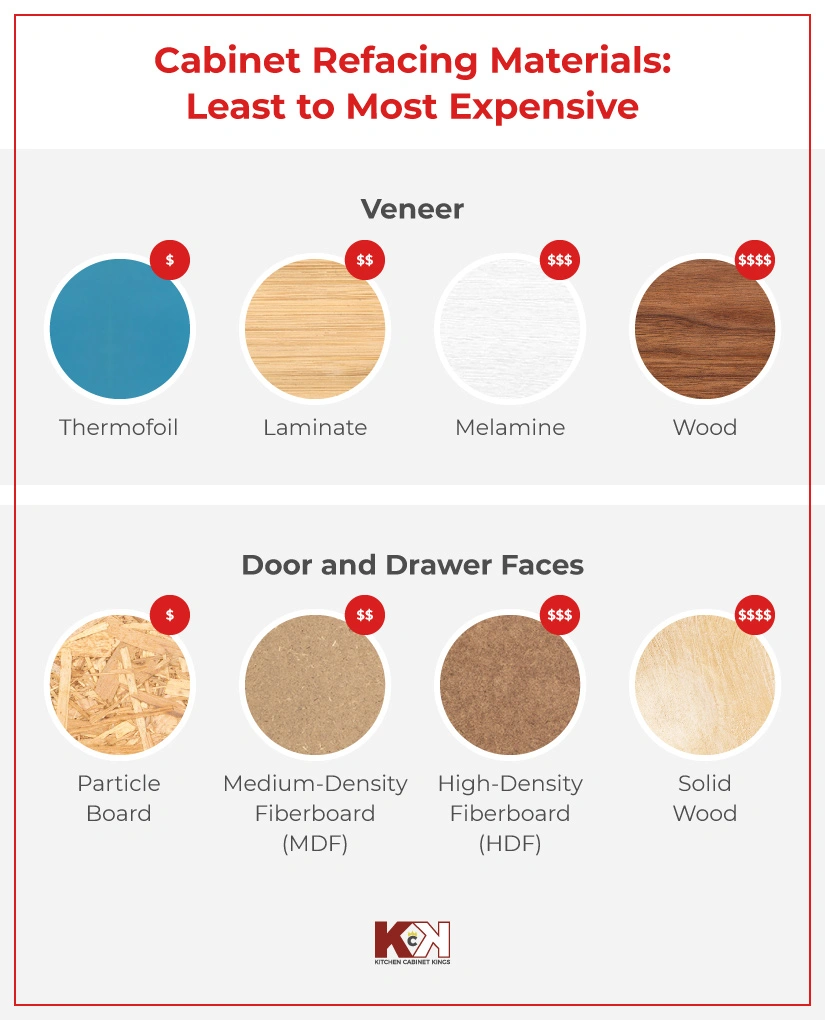
Image Source: cdn.kitchencabinetkings.com
What is Cabinet Refacing?
Cabinet refacing is a renovation process that revitalizes your existing kitchen cabinets by replacing their doors and drawer fronts and applying a new veneer or laminate to the visible cabinet boxes. This process gives your kitchen a fresh, updated look without the need for complete cabinet removal and installation. It’s a smart choice for homeowners who are happy with their current kitchen layout but want to improve its appearance and functionality.
Cabinet Refacing vs. Replacement Cost: A Clear Comparison
When considering a kitchen remodel, the age-old question arises: refacing or replacement? While replacing your cabinets offers the ultimate flexibility in design and layout, it comes with a significantly higher price tag.
- Cabinet Refacing Cost: Generally ranges from $1,000 to $10,000.
- Cabinet Replacement Cost: Can range from $5,000 to $25,000 or even higher, depending on the quality of materials, custom features, and labor.
Refacing can save you anywhere from 40% to 60% of the cost of full replacement. This makes it an attractive option for budget-conscious renovators.
The Cost of Cabinet Veneers: What to Expect
The “skin” of your refaced cabinets is typically a veneer or laminate. The cost of cabinet veneers varies greatly based on the material:
- Wood Veneers: These are thin slices of real wood. They offer a natural, premium look and feel. Costs can range from $20 to $100+ per linear foot of cabinet space. Popular wood veneer options include oak, maple, cherry, and walnut.
- Laminate Veneers: These are synthetic materials that mimic the look of wood or other textures. They are durable, easy to clean, and generally more budget-friendly. Costs typically range from $10 to $50 per linear foot.
- Thermofoil Veneers: These are vinyl films heat-fused to a substrate. They are also cost-effective and come in various colors and finishes. Prices are similar to laminates, around $10 to $40 per linear foot.
Cabinet Door Replacement Cost: A Key Component
A significant portion of the cabinet refacing cost is dedicated to replacing the cabinet doors and drawer fronts. This is where you’ll see the most visible transformation.
- Standard Shaker Doors: These are a popular and often affordable choice. Expect to pay $20 to $50 per door for basic wood or laminate options.
- Raised Panel or Custom Doors: These more elaborate styles will command higher prices, potentially $50 to $150+ per door.
- Material: Solid wood doors will be more expensive than MDF (medium-density fiberboard) or particleboard doors with veneers.
The cabinet door replacement cost is a critical factor in your overall budget. Getting detailed quotes for doors is essential.
Kitchen Cabinet Renewal Cost: Beyond the Veneer
While veneers and new doors are the core of refacing, other elements contribute to the overall kitchen cabinet renewal cost:
- New Hardware: Handles, knobs, hinges, and drawer pulls. Budget $5 to $25 per piece for standard hardware, or more for premium options.
- Drawer Box Refurbishment: If your drawer boxes are in good condition, they can be cleaned and lined. If they need replacing or significant repair, this adds to the cost.
- New Drawer Slides: Upgrading to soft-close or full-extension drawer slides can significantly improve functionality but will increase the price.
- Molding and Trim: Adding decorative molding or new trim can enhance the finished look.
- Labor: This is often the largest single expense for professional refacing.
Professional Cabinet Refacing Cost: What to Budget
When you hire a professional company for cabinet refacing, you’re paying for expertise, convenience, and a warranty. The professional cabinet refacing cost typically includes:
- Consultation and Design: An initial assessment of your kitchen and proposed materials.
- Material Costs: Veneers, new doors, drawer fronts, hardware, and adhesives.
- Labor: The skilled work of removing old doors, applying veneers, installing new doors, and finishing touches.
- Cleanup and Disposal: Removal of old materials.
Average Cost for Professional Cabinet Refacing:
| Kitchen Size | Average Cost Range |
|---|---|
| Small (10×10 ft) | $1,000 – $3,000 |
| Medium (12×12 ft) | $2,500 – $6,000 |
| Large (15×15 ft+) | $5,000 – $10,000+ |
Factors Influencing Professional Costs:
- Cabinet Box Construction: Framed cabinets may require more work than frameless ones.
- Number of Doors and Drawers: More openings mean more materials and labor.
- Complexity of the Kitchen Layout: Odd angles or intricate cabinetry can increase costs.
- Quality of Materials: High-end wood veneers and custom doors will be more expensive.
- Geographic Location: Labor rates vary significantly by region.
- Additional Services: Adding new hinges, soft-close mechanisms, or custom modifications.
DIY Cabinet Refacing Cost: Saving Money, Gaining Effort
For the handy homeowner, DIY cabinet refacing can significantly reduce the overall cost. The DIY cabinet refacing cost primarily includes:
- Materials: Veneers, new doors, drawer fronts, hardware, adhesive, and finishing supplies.
- Tool Rental/Purchase: If you don’t have the necessary tools (e.g., specialized saws, sanders, sprayers).
- Your Time and Effort: This is the biggest saving, but it requires patience and skill.
Average Cost for DIY Cabinet Refacing:
| Kitchen Size | Average Cost Range |
|---|---|
| Small (10×10 ft) | $500 – $1,500 |
| Medium (12×12 ft) | $1,000 – $3,000 |
| Large (15×15 ft+) | $2,000 – $5,000+ |
Considerations for DIY:
- Skill Level: Are you comfortable with precision cutting, applying veneers without bubbles or wrinkles, and cabinet installation?
- Time Commitment: DIY refacing can take several weekends or even longer.
- Material Quality: You might be tempted to buy cheaper materials, which could affect the longevity and look of your cabinets.
- Tool Access: Ensure you have or can access the right tools for a professional finish.
Fathoming the Refacing Process: What’s Involved
Understanding the steps of cabinet refacing helps in budgeting and setting expectations:
-
Preparation:
- Emptying cabinets.
- Removing existing cabinet doors, drawer fronts, and hardware.
- Cleaning the cabinet boxes thoroughly.
- Repairing any minor damage to the cabinet boxes.
-
Veneering the Cabinet Boxes:
- The visible surfaces of the cabinet frames (face frames, sides) are covered with new veneer or laminate. This requires careful measurement and application to avoid bubbles and ensure a smooth finish.
-
Installing New Doors and Drawer Fronts:
- New doors and drawer fronts, often pre-drilled for hardware, are attached to the cabinet boxes.
- New hinges and drawer slides might be installed at this stage.
-
Adding New Hardware:
- Knobs, pulls, and handles are installed on the new doors and drawer fronts.
-
Finishing Touches:
- Any necessary adjustments are made.
- The area is cleaned up.
Cost of Cabinet Veneers: Material Choices and Pricing
Let’s delve deeper into the cost of cabinet veneers, as this is a crucial element of the refacing budget.
-
Wood Veneers:
- Oak: Generally one of the more affordable wood veneer options. Offers a classic, durable look.
- Maple: Smooth grain, light color, takes stains well. Mid-range pricing.
- Cherry: Rich, warm tones that deepen with age. More expensive than oak or maple.
- Walnut: Luxurious dark wood with beautiful grain patterns. Typically the most expensive wood veneer.
- Bamboo: An eco-friendly option, often mid-priced, with a unique look.
Approximate Cost per Linear Foot for Wood Veneers: $20 – $100+
-
Laminate Veneers:
- High-Pressure Laminates (HPL): Very durable and come in a vast array of colors, patterns, and textures, including realistic wood grain imitations.
- Low-Pressure Laminates (LPL) / Melamine: Thinner and less durable than HPL, but more affordable. Often used for interior cabinet surfaces.
Approximate Cost per Linear Foot for Laminates: $10 – $50
-
Thermofoil:
- A cost-effective option that provides a smooth, seamless finish. Prone to peeling or damage from heat over time, especially near ovens or dishwashers.
Approximate Cost per Linear Foot for Thermofoil: $10 – $40
Calculating Linear Feet: To get a rough estimate for veneer costs, measure the length of all exposed cabinet frames (face frames and exposed ends). Add these lengths together to get your total linear feet.
Refacing Kitchen Cabinet Doors: Styles and Costs
The decision on refacing kitchen cabinet doors can significantly impact the budget and aesthetic.
-
Styles:
- Shaker: A simple, clean design with a flat center panel and a raised frame. Very popular and versatile.
- Slab: Flat, solid doors with no additional detailing. Modern and minimalist.
- Raised Panel: Feature a center panel that is raised relative to the surrounding frame. Offers a more traditional or formal look.
- Recessed Panel: Similar to Shaker but the center panel is set back slightly.
- Beadboard: Features vertical grooves, giving a cottage or farmhouse feel.
-
Materials for Doors:
- Solid Wood: The most expensive but also the most durable and visually appealing.
- MDF (Medium-Density Fiberboard) with Veneer/Laminate: A common and cost-effective choice. MDF provides a stable base for veneers.
- Plywood: Strong and stable, often used for cabinet boxes and sometimes doors.
- Thermofoil: As mentioned, a budget-friendly vinyl coating over MDF.
Typical Cabinet Door Replacement Cost Breakdown (per door):
| Door Style | Material | Average Cost (per door) |
|---|---|---|
| Shaker | MDF/Veneer | $25 – $60 |
| Shaker | Solid Wood | $60 – $150+ |
| Slab | MDF/Laminate | $20 – $50 |
| Raised Panel | Solid Wood | $70 – $200+ |
| Beadboard | MDF/Veneer | $30 – $70 |
Note: These are estimates and can vary greatly.
The True Cost to Update Kitchen Cabinets: A Holistic View
When you’re looking at the cost to update kitchen cabinets, refacing is just one piece of the puzzle. Consider these additional expenses that might be part of your overall project:
- Countertop Replacement: Often done in conjunction with cabinet updates.
- Backsplash Installation:
- New Sink and Faucet:
- Appliance Upgrades:
- Lighting Fixtures:
- Flooring:
- Permits (if required):
Budgeting for Your Kitchen Cabinet Refacing Project
A well-structured budget is crucial for a successful refacing project. Here’s a sample breakdown for a medium-sized kitchen:
Sample Budget Breakdown (Medium Kitchen – 12×12 ft)
| Cost Item | Estimated Cost Range | Percentage of Total | Notes |
|---|---|---|---|
| Professional Labor | $1,500 – $4,000 | 40-50% | Includes installation, prep, and finishing. Varies by company and location. |
| New Doors & Drawer Fronts | $1,000 – $2,500 | 25-30% | Depends on material (MDF vs. solid wood) and style (Shaker vs. raised panel). |
| Veneer/Laminate for Cabinet Boxes | $300 – $1,000 | 10-15% | Based on linear footage and material choice (wood veneer vs. laminate). |
| Hardware (Knobs, Pulls, Hinges) | $200 – $600 | 5-10% | Can range from basic to designer hardware. Soft-close hinges add cost. |
| Miscellaneous (Adhesives, tools, cleaning supplies) | $100 – $300 | 2-5% | For DIYers or as supplemental materials for professionals. |
| Contingency Fund | $500 – $1,000 | 10-15% | For unexpected issues or upgrades. |
| Total Estimated Cost | $3,600 – $9,400 | 100% |
Tips for Budgeting:
- Get Multiple Quotes: Obtain detailed quotes from at least three reputable refacing companies. Compare not just the price but also what’s included (materials, warranty, etc.).
- Factor in Material Choices: Decide early on your preferred material for doors and veneers, as this will be a major cost driver.
- Don’t Forget the “Extras”: Budget for hardware, potential upgrades like soft-close hinges, and any necessary repairs to the cabinet boxes.
- DIY vs. Professional: Honestly assess your skills and time availability. DIY can save money but requires commitment.
- Contingency: Always include a buffer of 10-15% for unforeseen expenses.
Deciphering the Refacing Process: Key Considerations
- Cabinet Box Condition: Refacing works best when your existing cabinet boxes are structurally sound. If they are warped, water-damaged, or excessively worn, replacement might be a better investment.
- Quality of Materials: The lifespan and appearance of your refaced cabinets heavily depend on the quality of the veneers, doors, and hardware you choose.
- Professional Installation: For a seamless and durable finish, professional installation is often recommended, especially for applying veneers accurately.
- Lead Time: Companies often have a lead time for fabricating custom doors and drawer fronts.
- Warranty: Check the warranty offered by the refacing company. It should cover both materials and labor.
The Cost of Cabinet Veneers: Impact on the Overall Price
The cost of cabinet veneers is a significant factor, and choosing between wood, laminate, or thermofoil will directly influence your budget.
- Wood Veneers: Offer the most authentic and premium look but come with the highest cost. They are ideal for those seeking a high-end, natural wood finish without the expense of solid wood doors.
- Laminates: Provide excellent durability and a wide range of design options at a more moderate price point. They are a great choice for busy kitchens and homeowners who prioritize low maintenance.
- Thermofoil: The most budget-friendly option. While it can look good initially, it’s less durable and can be susceptible to damage from heat and moisture over time.
Fathoming the Refacing Process: Step-by-Step Breakdown
- Initial Consultation and Measurement: A professional will visit your home to measure your cabinets, discuss design options, and provide a detailed quote.
- Door and Drawer Front Fabrication: Once you approve the design and materials, new doors and drawer fronts are custom-made to fit your existing cabinet openings.
- Cabinet Preparation: On the scheduled day, the team will remove your old doors and hardware. They will then meticulously clean and prep the cabinet boxes, making any necessary minor repairs.
- Veneer Application: The visible surfaces of the cabinet frames are covered with the chosen veneer or laminate. This is a critical step requiring precision to ensure a smooth, bubble-free finish.
- Door and Drawer Front Installation: The new doors and drawer fronts are attached to the cabinet boxes. New hinges and drawer slides are often installed.
- Hardware Installation: New knobs and pulls are affixed to the doors and drawer fronts.
- Final Inspection and Cleanup: The work is inspected for quality, and the work area is cleaned.
DIY Cabinet Refacing Cost: A Labor of Love
Embarking on DIY cabinet refacing can be a rewarding experience, saving you a considerable amount on labor costs.
What you’ll need to budget for:
- New Doors and Drawer Fronts: You can often order these pre-made from cabinet shops or online suppliers. This is usually the largest material expense.
- Veneer or Laminate Sheets: Available at home improvement stores or specialty woodworking suppliers.
- Adhesive: A high-quality contact cement or wood glue suitable for veneers.
- Primer and Paint/Stain: If you plan to finish the cabinet boxes yourself.
- Hardware: Knobs, pulls, hinges.
- Tools: Utility knife, straight edge, squeegee or roller for veneer application, sandpaper, screwdriver, measuring tape, possibly a table saw or miter saw for any necessary cutting.
Tips for DIYers:
- Practice Veneer Application: Work on scrap material first to get a feel for applying the veneer without bubbles or creases.
- Measure Twice, Cut Once: Precision is key when ordering new doors and drawer fronts.
- Watch Tutorials: Numerous online videos demonstrate the cabinet refacing process.
- Take Your Time: Rushing the process can lead to mistakes.
Frequently Asked Questions (FAQ)
Q1: How long does cabinet refacing typically take?
A1: Professional cabinet refacing usually takes 3 to 5 days to complete in your home. The fabrication of new doors and drawer fronts can take an additional 2-4 weeks. DIY refacing can take several weekends.
Q2: Is cabinet refacing more expensive than painting cabinets?
A2: Yes, refacing is generally more expensive than painting cabinets. However, painting doesn’t involve replacing the doors or veneers, so it’s a different type of update. Painting offers a cosmetic change, while refacing provides new surfaces and hardware.
Q3: Can I reface all types of cabinets?
A3: Cabinet refacing is most suitable for cabinets with solid, well-constructed boxes. Cabinets with significant damage, rot, or warping may not be good candidates.
Q4: What is the difference between refacing and refinishing cabinets?
A4: Refinishing usually involves sanding down the existing cabinets and applying a new stain or paint. Refacing involves covering the cabinet boxes with new veneer and replacing the doors and drawer fronts entirely.
Q5: How durable is cabinet refacing?
A5: The durability depends heavily on the quality of materials used and the installation. High-quality wood veneers and professional installation can last 15-20 years or more. Laminates and thermofoils may have a slightly shorter lifespan.
Q6: Can I mix and match finishes?
A6: Absolutely! Many homeowners choose to update their cabinet boxes with a different veneer than their doors, or use different finishes for upper and lower cabinets to create a custom look.
Q7: Is cabinet refacing a messy process?
A7: While there will be some dust from preparation, reputable companies take measures to contain dust and protect your home. The process is generally less disruptive and messy than a full cabinet replacement.
Q8: What is the cost of cabinet veneers?
A8: The cost of cabinet veneers varies by material. Wood veneers can range from $20-$100+ per linear foot, while laminates are typically $10-$50 per linear foot.
By carefully considering your options, materials, and whether to hire a professional or tackle it yourself, you can successfully update your kitchen cabinets within your desired budget.