When planning your kitchen renovation or build, one of the most crucial elements to get right is the kitchen island height. But what is the perfect height for a kitchen island? Generally, a counter height island is the most versatile, typically falling between 34 and 36 inches from the floor. This height allows for comfortable food preparation, dining at stool height, and general use, making it a popular choice for many kitchens. However, the ideal appropriate kitchen island height can vary based on your specific needs and how you intend to use the island.
The kitchen island is more than just a countertop; it’s a central hub for culinary creativity, family gatherings, and even casual meals. Its kitchen island dimensions significantly impact functionality and flow. Among these dimensions, height plays a starring role in ensuring ergonomic comfort and practical utility. This in-depth guide will help you decipher the nuances of kitchen island height to select the perfect fit for your dream kitchen.
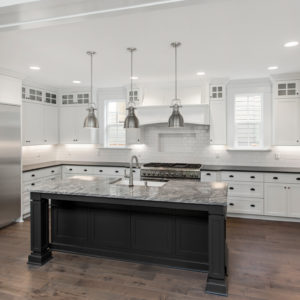
Image Source: www.missionwest.biz
Deciphering Kitchen Island Height Standards
The standard kitchen island size encompasses length, width, and crucially, height. While there’s no single “one size fits all” answer, established guidelines help create functional and comfortable spaces. Understanding these benchmarks is the first step to achieving your perfect kitchen.
Counter Height Islands: The Versatile Workhorse
Counter height islands are the most common and arguably the most adaptable. Their typical range of 34 to 36 inches aligns with standard countertop heights found along your perimeter cabinets.
- Why they are popular:
- Seamless Workflow: This height makes it easy to transition from food prep on the island to cooking at the range or cleaning at the sink.
- Comfortable Seating: Most standard counter-height stools fit perfectly, allowing guests or family members to sit comfortably while interacting with the cook or enjoying a meal.
- Ample Workspace: It provides a substantial surface for chopping, mixing, and plating without causing undue strain.
- Storage Integration: This height allows for standard base cabinets and drawers underneath, maximizing your kitchen’s storage capacity.
When considering a counter height island, think about how you’ll primarily use the space. If it’s a primary prep area and a casual dining spot, this height is likely your best bet.
Bar Height Islands: Elevating Your Entertainment
Bar height islands are taller, typically ranging from 40 to 42 inches. This height is ideal for creating a distinct dining or serving area, reminiscent of a bar.
- Key advantages:
- Dedicated Dining Space: It offers a comfortable perch for people to eat, drink, and socialize, effectively turning your island into a breakfast bar or a casual dining table.
- Visual Separation: The increased height can visually demarcate zones within an open-plan kitchen, separating the cooking area from the living or dining space.
- Enhanced Seating Comfort: Bar stools offer a different, often more upright, seating experience that many prefer for longer periods of dining or conversation.
- Appealing for Entertaining: If you frequently host guests, a bar height island can become a focal point for mingling and appetizers.
When opting for a bar height island, ensure you select appropriate bar stools. The island overhang depth at this height is also critical for comfortable legroom.
Dining Height Islands: Bridging the Gap
Dining height islands, also known as table height islands, fall in the middle, generally between 28 and 30 inches. This height is designed to mimic a standard dining table.
- Benefits of dining height:
- Formal Dining Alternative: This height is perfect if you envision your island serving as a primary dining surface for sit-down meals.
- Ergonomic for Extended Seating: It allows for comfortable seating with standard dining chairs, which are often more supportive for longer periods than stools.
- Versatile for Activities: Beyond dining, this height is excellent for homework, crafting, or playing games.
- Accessibility: It can be more accessible for individuals with certain mobility needs.
A dining height island can be a great choice if your kitchen is the heart of your home and you want a dedicated, comfortable spot for family meals without needing a separate dining room.
Fathoming the Ideal Kitchen Island Height for You
The comfortable kitchen island height is deeply personal and depends on several factors. Moving beyond the standard measurements requires thoughtful consideration of your lifestyle and how the island will integrate into your daily routine.
The Impact of Your Stature
Your own height and the height of other primary users of the kitchen play a significant role.
- For taller individuals: A slightly higher counter height island (e.g., 37-38 inches) might offer more ergonomic comfort during prep work, reducing the need to stoop.
- For shorter individuals: A slightly lower counter height island (e.g., 33-34 inches) can make chopping and other tasks feel more natural.
Tip: If you have a mix of heights in your household, consider a split-level island where one section is at counter height for prep and another is at bar height for casual dining.
Defining the Island’s Primary Purpose
The intended use of your island is a primary determinant of its ideal height.
- Island Workspace Height: If the island’s main role is food preparation, a counter height island (34-36 inches) is usually the most efficient. This ensures an excellent island workspace height for tasks like chopping vegetables, kneading dough, or plating meals.
- Casual Dining and Socializing: If the island is intended as a spot for quick breakfasts, snacks, or socializing while cooking, a bar height island (40-42 inches) with accompanying bar stools is a strong contender.
- Sit-Down Meals: For families that use their kitchen island as a primary dining spot, a dining height island (28-30 inches) paired with comfortable dining chairs is the way to go.
Integrating Seating: Overhang Depth is Key
Regardless of the chosen height, the island overhang depth is crucial for comfortable seating. This is the portion of the countertop that extends beyond the base cabinets.
- Counter Height Islands (34-36 inches): A minimum overhang of 12 inches is recommended for comfortable seating. This provides enough legroom for adults to sit without their knees bumping into the cabinet base.
- Bar Height Islands (40-42 inches): For bar height, a slightly deeper overhang of 15 inches is often preferred to accommodate the higher seating position and provide ample leg space.
- Dining Height Islands (28-30 inches): Dining height requires a more generous overhang, typically 15-18 inches, to allow for comfortable seating with dining chairs.
Here’s a table summarizing recommended overhangs for different island heights:
| Island Height (inches) | Recommended Overhang Depth (inches) | Primary Use | Seating Type |
|---|---|---|---|
| 28-30 | 15-18 | Dining, Extended Activities | Dining Chairs |
| 34-36 | 12 | Food Prep, Casual Dining | Counter Stools |
| 40-42 | 15 | Casual Dining, Bar Area | Bar Stools |
Important Note: Always factor in the thickness of your countertop material when calculating the overhang. A thick granite slab will feel more substantial than a thin laminate.
Exploring Different Kitchen Island Configurations and Heights
The beauty of a custom kitchen is the ability to tailor every element, including your island. You aren’t limited to a single height across the entire island.
Split-Level Islands: The Best of Both Worlds
A split-level island offers distinct zones for different activities by incorporating multiple heights.
-
Common Configurations:
- A counter height island section (34-36 inches) for food preparation.
- Adjacent to it, a raised bar height island section (40-42 inches) for casual dining or serving.
- Alternatively, a lower dining height island section (28-30 inches) for more comfortable sit-down meals.
-
Advantages:
- Maximized Functionality: Caters to diverse needs within a single island.
- Visual Interest: Creates dynamic lines and visual appeal in your kitchen.
- Clear Zoning: Helps delineate prep areas from dining or gathering spaces.
When designing a split-level island, ensure smooth transitions between levels and consider the overall kitchen island dimensions to maintain good traffic flow.
Waterfall Countertops and Island Height
If you’re opting for a modern look with waterfall countertops (where the countertop material extends vertically down the sides of the island), the height choice becomes even more impactful. The verticality emphasizes the chosen height, so ensure it aligns perfectly with your desired functionality.
Practical Considerations for Your Kitchen Island Height
Beyond aesthetics and basic ergonomics, several practical factors influence the optimal kitchen island height.
Electrical Outlets and Integrated Appliances
- Appliance Placement: If you plan to integrate appliances like a cooktop, microwave drawer, or dishwasher into your island, their specific height requirements must be considered. Most standard appliances are designed to fit within the typical counter height island range.
- Electrical Needs: Ensure that your island design accommodates necessary electrical outlets at a convenient height, whether for charging devices, powering small appliances, or lighting. This is typically at counter height or slightly below.
Universal Design Principles
Incorporating universal design principles ensures your kitchen is accessible and comfortable for everyone, regardless of age or ability.
- Accessibility for All: A dining height island (28-30 inches) with ample knee clearance beneath is often considered more universally accessible.
- Adjustable Solutions: In some custom builds, adjustable-height island components can offer the ultimate flexibility.
Flooring and Countertop Thickness
- Finished Floor Height: Remember that the stated island height is from the finished floor. Account for any changes in flooring material or thickness when calculating the final island height.
- Countertop Material: The thickness of your chosen countertop material (e.g., granite, quartz, marble, butcher block) will add to the overall height. A 3-cm (approximately 1.2 inches) thick slab will result in a higher finished surface than a 2-cm (approximately 0.8 inches) slab.
Let’s illustrate how countertop thickness affects the final island height. If you aim for a counter height island of 36 inches and choose a 1.5-inch thick countertop:
- The cabinet base height would need to be 34.5 inches (36 inches – 1.5 inches).
This calculation is vital for ensuring the appropriate kitchen island height is achieved.
Weighing the Pros and Cons of Different Island Heights
To help you make an informed decision, here’s a breakdown of the advantages and disadvantages associated with each common island height.
Counter Height Islands (34-36 inches)
Pros:
* Highly functional for prep work.
* Accommodates standard counter stools comfortably.
* Offers a seamless transition to perimeter countertops.
* Maximizes storage with standard base cabinets.
Cons:
* May feel slightly low for very tall individuals during extended prep.
* Seating might not be as comfortable for very long meals as dining height.
Bar Height Islands (40-42 inches)
Pros:
* Excellent for casual dining and socializing.
* Creates a distinct bar-like feel.
* Provides a good visual separation in open-plan layouts.
* Offers an upright seating posture.
Cons:
* Can be too high for comfortable food preparation for some.
* Requires specific bar stools, which can be costly.
* May not be ideal for younger children or those with mobility issues.
Dining Height Islands (28-30 inches)
Pros:
* Most comfortable for sit-down meals and extended activities.
* Accommodates standard dining chairs.
* Offers excellent accessibility and universal design benefits.
* Provides a versatile surface for various tasks.
Cons:
* Can be too low for comfortable food preparation, potentially causing back strain.
* Requires more floor space for chair pull-out.
* May not offer the same “kitchen island” feel as a counter-height option if that’s what you’re seeking.
Tips for Achieving the Perfect Kitchen Island Height
- Measure and Mock Up: Before committing, measure your existing countertops and try to replicate the desired island height with temporary furniture or boxes. Sit and work at these mock-ups to gauge comfort.
- Consider Your Stools/Chairs: The height of your seating is as important as the island height. Ensure they are well-matched.
- Consult with Professionals: Kitchen designers and cabinet makers have invaluable experience in recommending the appropriate kitchen island height based on your specific kitchen layout and needs.
- Future-Proofing: Think about how your needs might change over time. Will you still want a bar height island in 10-15 years?
- Don’t Forget Traffic Flow: Ensure that no matter the height, the island doesn’t impede movement around the kitchen. Allow adequate space between the island and other cabinets or appliances. A minimum of 36 inches is recommended, with 42-48 inches being ideal for high-traffic areas.
Frequently Asked Questions About Kitchen Island Height
Q1: What is the most common kitchen island height?
A1: The most common and versatile kitchen island height is counter height, which typically ranges from 34 to 36 inches from the floor.
Q2: Can I have an island with multiple heights?
A2: Absolutely! Split-level islands are a popular design choice, featuring different heights for food prep, dining, or serving.
Q3: How much overhang do I need for seating at my island?
A3: For counter height islands (34-36 inches), a 12-inch overhang is generally recommended for comfortable seating. For bar height islands (40-42 inches), 15 inches is ideal, and for dining height islands (28-30 inches), 15-18 inches provides sufficient legroom.
Q4: What is the standard kitchen island size?
A4: While length and width vary greatly, a standard kitchen island size for height is typically between 34-36 inches. However, kitchen island dimensions are highly customizable.
Q5: Is a bar height island good for food preparation?
A5: A bar height island (40-42 inches) is generally too high for comfortable and ergonomic food preparation. Counter height islands are better suited for this purpose as they provide an ideal island workspace height.
Choosing the right kitchen island height is a critical step in creating a functional, beautiful, and comfortable kitchen. By considering your lifestyle, the intended use of the island, and the practical aspects of design, you can ensure your island becomes the perfect centerpiece for your culinary adventures and daily life. Remember that the perfect height is the one that feels most natural and useful for you.